Skip to content
    Film
    monologue
    Drama
    Sci-Fi

    A Father's Legacy

    Harry's monologue from Armageddon

    Written by Jonathan Hensleigh & Robert Roy Pool

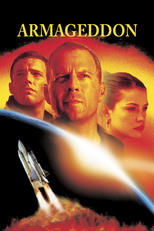
    Armageddon

    1 min · 1 character · Male · 45-55 (also 55+)

    Harry shares a story about his first oil strike and his refusal to quit, passing on a lucky memento before a dangerous mission.

    Start a free 7-day trial — 5 downloads a day, unlimited when Pro begins

    Rehearse this monologue
    Rehearse on your terms

    Take this monologue into rehearsal and work through it at your own pace.

    Scene PreviewExcerpt — subscribe to read full scene

    HARRY

    I stood up for you, because I've made a life of proving people wrong.
    End of preview. Continue with Pro below.

    7 days freeYour next rehearsal starts here

    Found your next scene? Make it yours.

    Start your free trial and read A Father's Legacy in full, with access to 10,000 monologues and scenes to explore next.

    • Read the full scene and explore the library
    • Download your script in a clean, printable format
    • Take it into rehearsal with the Script Reader
    Start my 7-day free trial

    Loading local pricing · Cancel anytime

    Still deciding?

    Keep this scene in your free shortlist. No card needed.

    View plans and pricing

    Christmas gift? Give a year of Pro, 15% off. Paid once, nothing renews.
    Casting Types
    Get Feedback
    Coming Soon

    Want expert coaching on this scene?

    Browse our curated list of acting coaches, dialect specialists, and more.

    Find a Coach

    Need representation?

    Browse verified agents and casting directors in our directory.

    About A Father's Legacy

    How long is A Father's Legacy?
    About 1 minute performed aloud.
    Which character performs A Father's Legacy?
    It is a monologue for Harry, a male character with a playing age of 45–55 or 55 and over.
    Is A Father's Legacy good for auditions?
    It suits agent showcases, self-tapes and general practice.

    Scene Notes & Audition Tips

    5 sections
    About This Scene

    Written by Jonathan Hensleigh and Robert Roy Pool for the film Armageddon, this contemporary dramatic monologue runs approximately one minute. In this quiet, vulnerable moment prior to a dangerous mission, Harry recounts the grueling story of his very first oil strike and his refusal to give up when everyone doubted him. He reflects on resilience, loss, and luck as he prepares to pass forward a cherished personal memento to the next generation.

    Character Analysis

    Harry is a grounded, hardworking patriarch defined by sheer grit, resilience, and personal sacrifice. Beneath his rugged, weathered exterior lies a deeply reflective father who measures his life not by ease, but by his endurance through prolonged hardship. He carries the weight of past family losses alongside hard-won triumphs, speaking with the quiet authority of a working-class survivor who knows the exact cost of pursuing what matters.

    Why This Works for Auditions

    This piece offers mature actors an exceptional opportunity to demonstrate emotional depth through naturalistic storytelling. Because it transitions smoothly from stubborn resolve into openhearted vulnerability within sixty seconds, it provides casting directors with a compelling look at your range. The monologue relies on authentic connection and rich subtext rather than forced intensity, making it an ideal choice for on-camera self-tapes and industry showcases.

    Best Suited For

    This piece is best suited for male actors in their mid-forties to mid-fifties looking to showcase working-class authenticity, paternal warmth, and weathered strength. It perfectly fits performers targeting leading man, tough blue-collar, or protective patriarch casting brackets. It serves equally well for professional agent showcases, competitive self-tape submissions, and targeted studio practice.

    Performance Tips

    Ground your physical life in stillness and resist the urge to turn the memory into an overly dramatic performance. Treat the story not as a boastful triumph, but as an urgent, heartfelt offering of courage given to someone you care about before facing the unknown. Keep your connection to the physical memento tactile and specific, letting the history of your character's struggles resonate naturally without losing his inherent, quiet dignity.

    No ratings yet
    Sign in to rate