Skip to content
    Tv
    duologue
    Drama
    Thriller

    A Man Among Men

    from The Sopranos

    Written by David Chase

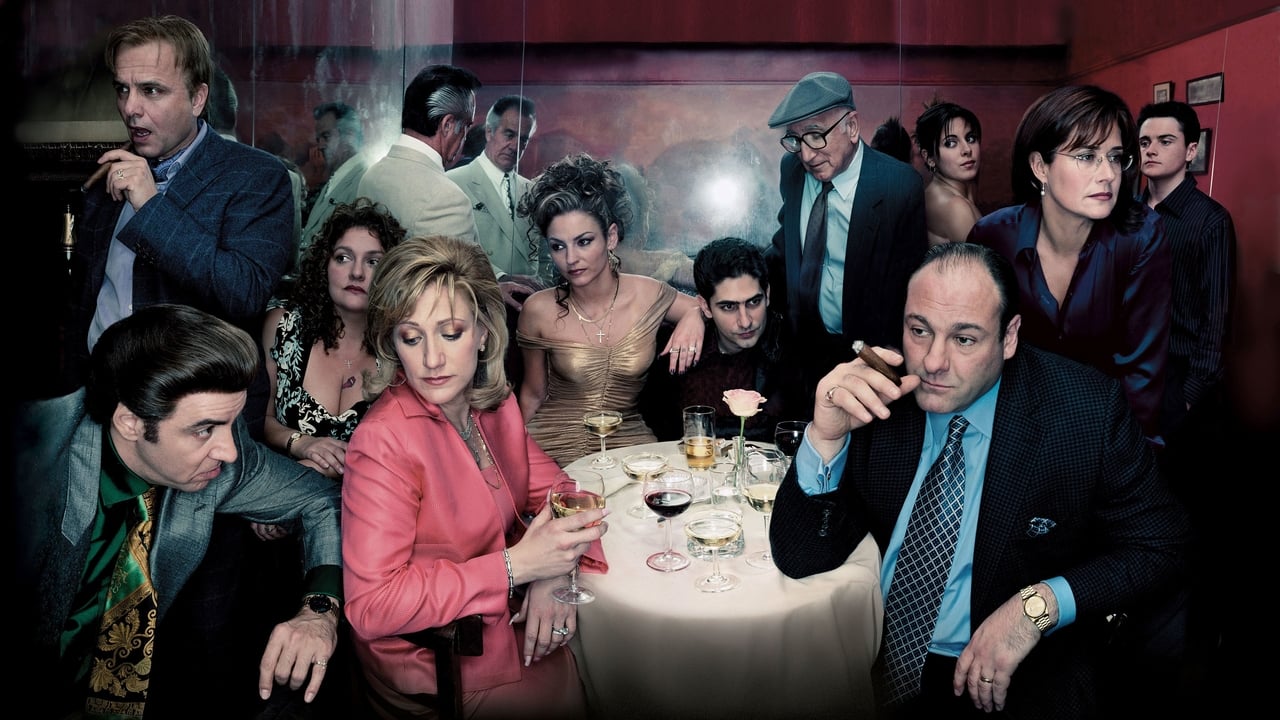
    The Sopranos

    Livia manipulates Junior by complaining about her son's lack of respect, while Junior vents his frustrations regarding Tony's interference in business.

    Start a free 7-day trial — 5 downloads a day, unlimited when Pro begins

    Rehearse this scene
    Rehearse on your terms

    Choose your role and voices for the other characters. Run the scene at your own pace.

    Scene PreviewExcerpt — subscribe to read full scene

    LIVIA

    It was nice of you to pick me up for the party, Junior. At least somebody cares about me.

    JUNIOR

    These kids today.

    LIVIA

    I suppose he thinks once he's got me locked away in a nursing home I'll die faster, then he won't have to drive me anywhere.

    LIVIA

    If his father was still around you can bet your boots he'd show decency and respect for his…

    End of preview. Continue with Pro below.

    7 days freeYour next rehearsal starts here

    Found your next scene? Make it yours.

    Start your free trial and read A Man Among Men in full, with access to 5,500+ monologues and scenes to explore next.

    • Read the full scene and explore the library
    • Download your script in a clean, printable format
    • Take it into rehearsal with the Script Reader
    Casting Types
    Get Feedback
    Coming Soon

    Want expert coaching on this scene?

    Browse our curated list of acting coaches, dialect specialists, and more.

    Find a Coach

    Need representation?

    Browse verified agents and casting directors in our directory.

    Scene Notes & Audition Tips

    5 sections
    About This Scene

    Written by David Chase for the award-winning drama The Sopranos, this two-person scene captures a dark, intimate conversation between family members. Livia uses complaints about her living situation and her son to covertly manipulate Junior, who is wrestling with frustrations over his own business and diminished respect. Rather than resorting to overt hostility, the exchange relies on veiled intentions, family history, and quiet subtext within an organized crime setting.

    Character Analysis

    Livia presents herself as a fragile, neglected elderly woman, yet she possesses a razor-sharp ability to steer conversations toward resentment. She carefully weaponizes victimhood, allowing feigned distress and tactical silence to do the heavy lifting without accepting any direct accountability. Junior is a proud, traditional patriarch driven by insecurity and mounting agitation as he watches younger figures disregard his authority. He seeks reassurance and covert validation, eager to find an ally who helps justify his darkest impulses.

    Why This Works for Auditions

    This duologue provides seasoned actors with a masterclass in high-stakes restraint. Instead of relying on explosive theatrical action, the tension builds entirely through what remains unsaid beneath everyday domestic grievances. Casting directors evaluating mature performers want to see complex internal life, active listening, and the ability to communicate deadly serious motives through casual, quiet conversation.

    Best Suited For

    This piece is an exceptional match for actors aged fifty-five and older targeting mature matriarch, patriarch, villain, or criminal roles. It functions brilliantly for self-tape submissions, agent showcases, and general dramatic practice where refined scene-partner connection is essential. Performers looking to demonstrate grounded, prestige-drama realism will find the material particularly rewarding.

    Performance Tips

    Resist the urge to play the manipulation on the surface. Livia’s complaints must sound like genuine maternal hurt, because her strategy only succeeds if she appears completely vulnerable and blameless. If playing Junior, keep the agitation simmering beneath a veneer of practical commiseration, letting your wounded pride leak out through small physical shifts. Most importantly, honor the rhythm of the pauses, as the scene's most pivotal transaction hinges entirely on silence.

    No ratings yet
    Sign in to rate