
Film
monologue
Drama

Agnes's Confession to Jane

from Sorry, Baby

Written by Eva Victor

Sorry, Baby

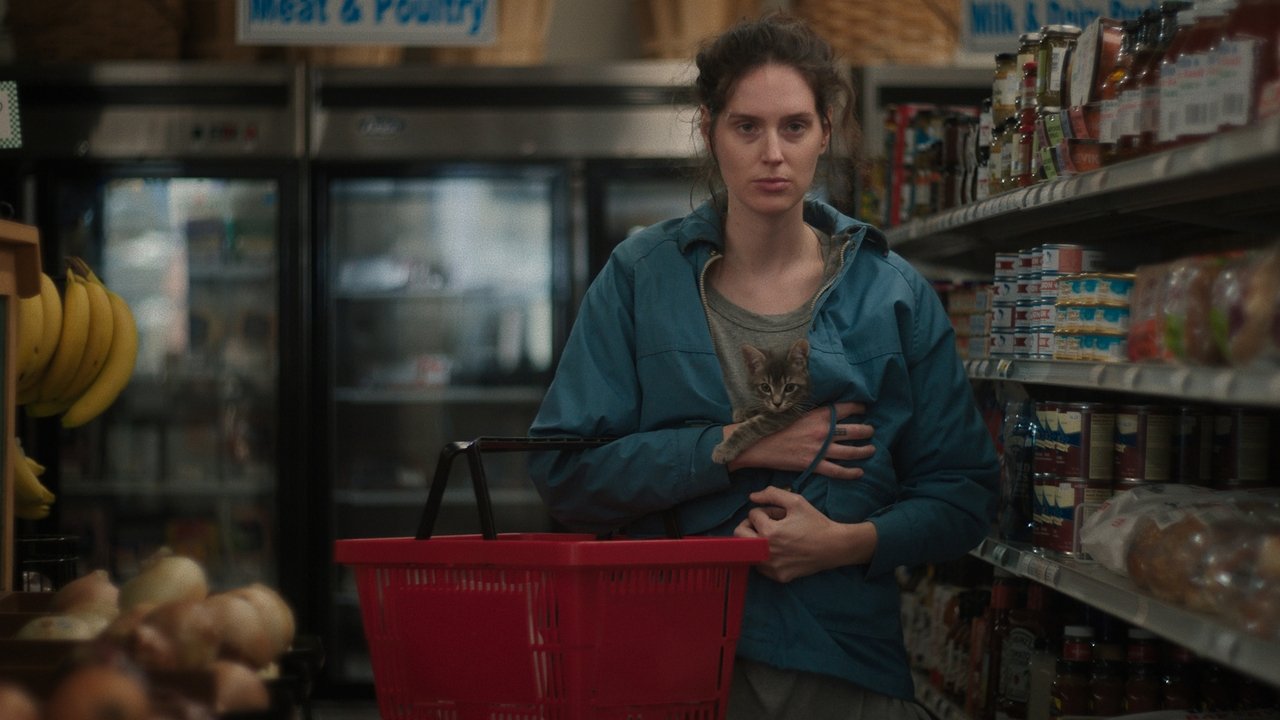
Agnes speaks to an infant, Jane, offering a brutally honest and darkly comedic perspective on the hardships of life. She promises to be a non-judgmental confidante for Jane's future struggles while grappling with her own lack of maternal instinct and the existential weight of bringing a child into the world.

Start a free 7-day trial — 5 downloads a day, unlimited when Pro begins

Rehearse on your terms

Take this monologue into rehearsal and work through it at your own pace.

Scene PreviewExcerpt — subscribe to read full scene

AGNES

I’m not going to kill you. I wouldn’t do that. I’m afraid to even pick you up, so. I’m not going to kill you. So you don’t have to cry. Is what I mean. Pretty weird you’re going to be a person someday. No offense, but you look insane right now. Skin and just a small amount of hair. Don’t worry. It won’t be like that in a little.

End of preview. Continue with Pro below.

7 days freeYour next rehearsal starts here

Found your next scene? Make it yours.

Start your free trial and read Agnes's Confession to Jane in full, with access to 1,000+ monologues and scenes to explore next.

  • Read the full scene and explore the library
  • Download your script in a clean, printable format
  • Take it into rehearsal with the Script Reader
Casting Types
Get Feedback
Coming Soon

Want expert coaching on this scene?

Browse our curated list of acting coaches, dialect specialists, and more.

Find a Coach

Need representation?

Browse verified agents and casting directors in our directory.

Scene Notes & Audition Tips

5 sections
About This Scene

This dramatic monologue features Agnes, a woman in her 20s or 30s, speaking to an infant named Jane. Agnes delivers a raw and darkly humorous confession, laying bare her complex feelings about motherhood and the harsh realities of life. The scene explores themes of existential dread and the weight of bringing a new life into a challenging world while Agnes grapples with her own unconventional maternal instincts.

Character Analysis

Agnes is a character rich with internal conflict and a surprising, almost brutal, honesty. She possesses a dry, darkly humorous perspective, using self-deprecating wit to navigate her discomfort and anxiety. Underlying her sardonic observations is a deep vulnerability and a genuine, albeit awkward, desire to connect with Jane and offer future solace. Her character embodies the "Outsider" and "Vulnerable" archetypes, making her relatable to those who feel a bit out of step with traditional expectations.

Why This Works for Auditions

This monologue is an excellent choice for auditions due to its immediate dramatic impact and the wide range of emotional beats it offers. Actors can showcase their ability to navigate intimate, raw vulnerability alongside sharp, darkly humorous delivery, all within a contemporary context. The scene provides ample opportunity to demonstrate nuanced character work and a strong grasp of subtext, as Agnes’s words often belie deeper anxieties and affections.

Best Suited For

This monologue is particularly well-suited for female actors in their 20s and 30s who are looking for challenging, contemporary dramatic material. It is ideal for drama school auditions, agent showcases, or self-tapes where an actor wants to display versatility and depth. Actors adept at portraying complex characters with a blend of honesty, wit, and underlying pathos, especially those fitting the "Character Actor" or "Everyman" casting types with a slightly quirky edge, will find this piece highly effective.

Performance Tips

When performing this monologue, focus on Agnes's internal struggle between her genuine care for Jane and her own anxieties about life and motherhood. Lean into the dark humor, allowing it to highlight her coping mechanisms and vulnerability rather than overshadowing it. Physicality, even in a monologue, is key; consider how Agnes attempts to interact with Jane and how her awkwardness or hesitation informs her words. Emphasize the intimate tone, almost as if she’s speaking to herself as much as to the infant, allowing the audience to feel like they are privy to her innermost thoughts.

Explore this topic