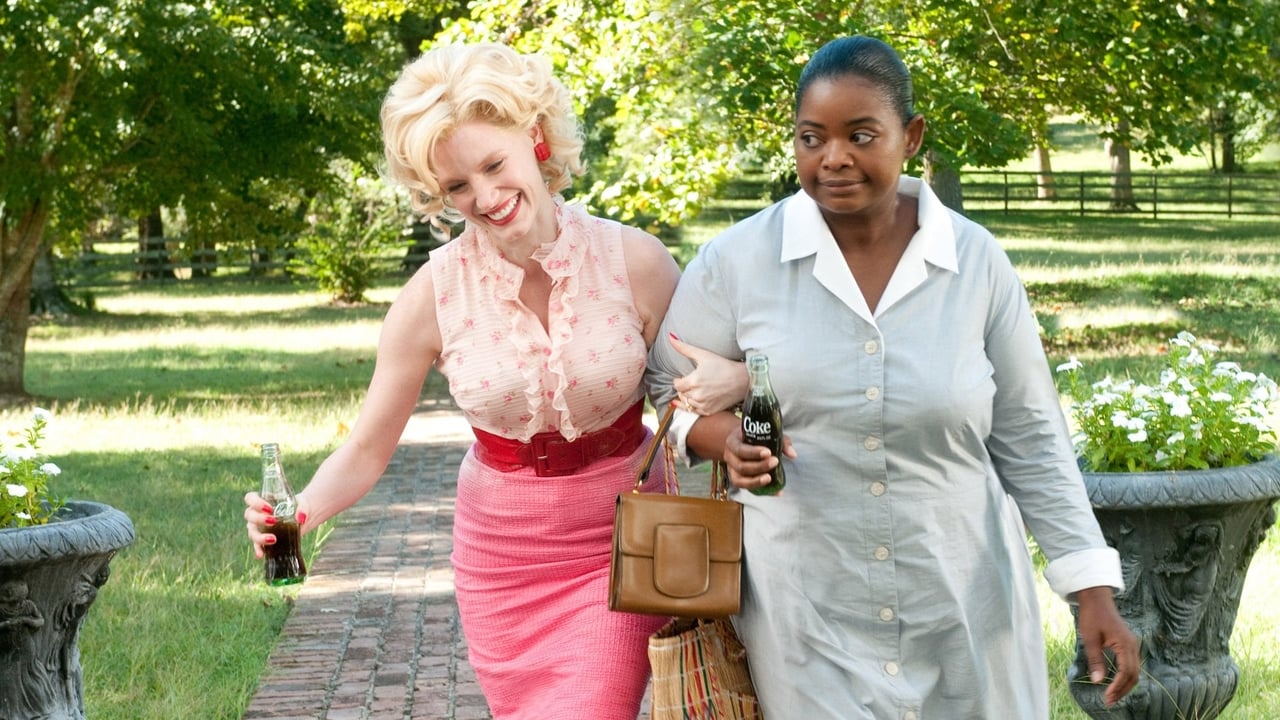

Aibileen reflects on her life as a domestic worker and the generational cycle of servitude during a clandestine interview. The scene highlights the emotional toll of raising white children while grieving her own son, culminating in a tender moment where she instills self-worth in her young charge.
AIBILEEN: I was born in 1911...Chickasaw County, Piedmont Plantation.
WOMAN: Did you know as a girl, growing up, that one day you'd be a maid?
AIBILEEN: Yes, ma'am. I did.
WOMAN: And you knew that because?
AIBILEEN: My momma was a maid. My grandmomma was a house slave.
WOMAN: A.
Create a free account to explore more
Upgrade to Pro for full access — £6.99/month
Director's Notes
Want expert coaching on this scene?
Browse our curated list of acting coaches, dialect specialists, and more.
Need representation?
Browse verified agents and casting directors in our directory.
Scene Notes & Audition Tips
About This Scene
This powerful duologue from *The Help* offers a profound glimpse into Aibileen Clark’s personal history and emotional resilience. It masterfully interweaves a raw, honest account of generational servitude with a tender, iconic moment of empowerment, making it compelling material for actors seeking a scene with significant emotional depth and historical context.
Character Analysis
**Aibileen:** As a 53-year-old Black woman, Aibileen carries the weight of a lifetime spent in service, marked by the loss of her own son and the deep-seated societal inequalities of the time. Her emotional journey here is one of quiet strength, profound sadness, and ultimately, enduring hope. An actor needs to convey her vulnerability while demonstrating her inner fortitude, the subtle tremor in her hands speaking volumes more than any outburst. Her motivation is to articulate her truth honestly, even when painful, and to impart a sense of worth to a child who desperately needs it.
**Woman (Skeeter):** Though unseen, Skeeter represents the burgeoning awareness and curiosity that drives the narrative. Her questions, while sometimes naive, are crucial catalysts for Aibileen's reflections. An actor portraying Skeeter’s off-camera voice should aim for a sincere, empathetic tone, careful not to sound interrogative or judgmental, allowing Aibileen’s responses to take center stage. Her presence primarily serves to draw out Aibileen’s story.
Why This Works for Auditions
This scene is exceptional audition material as it provides a remarkable showcase for an actor's ability to navigate complex emotional landscapes. It transitions seamlessly from reflective vulnerability and quiet grief to profound tenderness and determination. Actors can demonstrate nuanced emotional shifts, a strong sense of internal life, and the ability to connect deeply with both personal pain and ultimate purpose. The scene’s understated power makes it a particularly strong contemporary duologue for women, highlighting authentic character work over overt theatrics.
Best Suited For
This duologue is perfectly suited for drama school auditions, especially for prestigious institutions like RADA, LAMDA, or Guildhall, where nuanced character work and emotional intelligence are highly valued. It excels as a self-tape audition for character actors or those aiming for powerful dramatic roles within the 45-55 age range. It's also fantastic for an acting class or a showcase, allowing an actor to demonstrate their ability to portray a strong, vulnerable, and matriarchal figure with a rich inner world. Given its historical context, it's particularly good for actors specializing in pieces with social commentary.
Performance Tips
1. **Embrace the Silence:** Aibileen's pauses and the moments where she looks to the floor or at the photograph are incredibly potent. Allow yourself to truly *feel* the weight of her memories and the unspoken emotions during these beats. The unsaid is often more powerful than the dialogue.
2. **Physicality of Grief and Comfort:** In the first section, let Aibileen's actions, like washing dishes and the trembling of her hands, subtly reflect her emotional state. In the second part, focus on the genuine, gentle physicality of comforting a small child. The contrast will highlight your range.
3. **The Whisper's Power:** The iconic "You is kind. You is smart. You is important." must be delivered with utmost sincerity and tenderness. It’s not just a line; it’s a profound blessing and a transfer of spirit. Ensure it lands with the weight and hope that Aibileen pours into it.
How well does this scene match you?
Save your casting profile to see match scores on every scene.
Try Headshot AnalyserGo Pro
£6.99/mo
- ✓ Unlimited scene reading
- ✓ PDF downloads
- ✓ Director's Notes
- ✓ Headshot Analyser
- ✓ Cover Letter Generator
- ✓ Practice Mode
- ✓ Agent Connect
- + 1,000+ scenes
More from The Help
Skeeter and Constantine - Ugly
from The Help
A young Skeeter seeks comfort from her maid, Constantine, after being rejected by boys and feeling like a disappointment to her pageant-queen mother. Constantine delivers a powerful lesson on inner beauty and the daily choice to define one's own worth. The scene highlights a pivotal moment of emotional growth and the deep bond between the two characters.
Skeeter's Job Interview
from The Help
Skeeter, an ambitious aspiring writer, interviews for a position at a local newspaper with the cynical and dismissive Mr. Blackly. Despite her impressive academic background and a letter from a prestigious New York editor, she is hired only to ghostwrite a mundane cleaning advice column.
Similar Scenes
Mother's Disappointment, Daughter's Defiance
from Wonder Woman
Queen Hippolyte reprimands her daughter Diana for her reckless behavior and disobedience during a trial of combat. Diana argues that she is ready to face the world of men, but her mother insists she lacks the wisdom to handle the ancient dangers that once destroyed Atlantis.
Act I, Scene 1 — The New House
from The Gilded Age
Bertha Russell shows her son Larry their lavish new New York mansion. She displays her social ambitions and controlling nature as she encourages him to network with the elite Astor family.
The Interview — Frank T.J. Mackey
from Magnolia
A high-stakes interview between a charismatic pick-up artist and a journalist turns cold when she confronts him about his fabricated past and his mother's death. Frank's bravado crumbles into a defensive silence as his carefully constructed persona is dismantled.
Lester and Angela
from American Beauty
A middle-aged man and his daughter's teenage friend share a tense, intimate moment in a living room. The scene explores themes of obsession, insecurity, and the fear of being ordinary.