ARNOLPHE: How mortifying! I made sure he never knew,
But what an effort, hiding my discomfiture!
She’s ignorant, but oh! the cleverness of her!
The minx was just pretending, knew it all along––
The devil must have shown her how to lead me on.
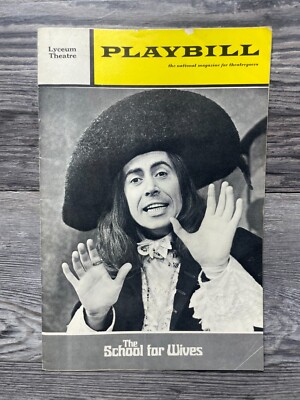
Arnolphe reels from the discovery that his ward, Agnès, has outsmarted him by sending a secret letter to her lover. He struggles with a volatile mix of fury over his wounded pride and the painful realization that he is genuinely in love with the woman he tried to keep ignorant.
ARNOLPHE: How mortifying! I made sure he never knew,
But what an effort, hiding my discomfiture!
She’s ignorant, but oh! the cleverness of her!
The minx was just pretending, knew it all along––
The devil must have shown her how to lead me on.
Format: Monologue · Genre: Comedy · Source: The School for Wives · Author: Molière · Characters: Arnolphe
This short comedic monologue captures Arnolphe, a man of considerable status, absolutely reeling from a profound personal and romantic betrayal. He has discovered that his young ward, Agnès, whom he had meticulously kept isolated and uneducated to mold her into his ideal wife, has outsmarted him by secretly communicating with a lover. His internal conflict is palpable; a volatile mix of wounded pride, furious indignation at his thwarted plans, and the devastating realization that he genuinely loves the very woman who betrayed him.
Arnolphe is a complex character embodying both the patriarchal authority of his era and the vulnerability of a man deeply in love. He is obsessive, controlling, and deeply invested in his own perceived intellectual superiority, which makes Agnès's clever deception even more crushing to his ego. Despite his comedic bluster and self-pity, there is a genuine undercurrent of agony and unrequited love. He struggles with the humiliating loss of control and the unexpected pain of genuine affection for someone he tried to manipulate.
This monologue is excellent for auditions because it showcases a wide range of emotions and a strong comedic rhythm within a dramatic context. It allows an actor to display both the character's intellectual and emotional states, moving from furious indignation to self-pity and genuine heartbreak. The classical language, while accessible, also provides an opportunity to demonstrate vocal agility and command of heightened text, making it suitable for various casting types that require intensity and dramatic range.
This monologue is particularly well-suited for male actors in the 40s to 60s age range, especially those who excel in character roles or are often cast as authority figures. Its classical nature and comedic undertones make it ideal for drama school auditions, where precise articulation and the ability to find humor in desperate situations are highly valued. It would also be effective for general practice and competitions for actors wishing to demonstrate a blend of comedic timing and emotional depth.
When performing Arnolphe, embrace the character's internal conflict and lean into the comedic elements that arise from his desperation and self-pity. Play the fury over his wounded pride and the genuine pain of unrequited love without shying away from his volatile shifts in emotion. Focus on the classical rhythm of the language, paying attention to the phrasing and word choices to convey his escalating distress. Remember that even in his fury, there's a strong element of yearning, making his lament both powerful and tragically funny.