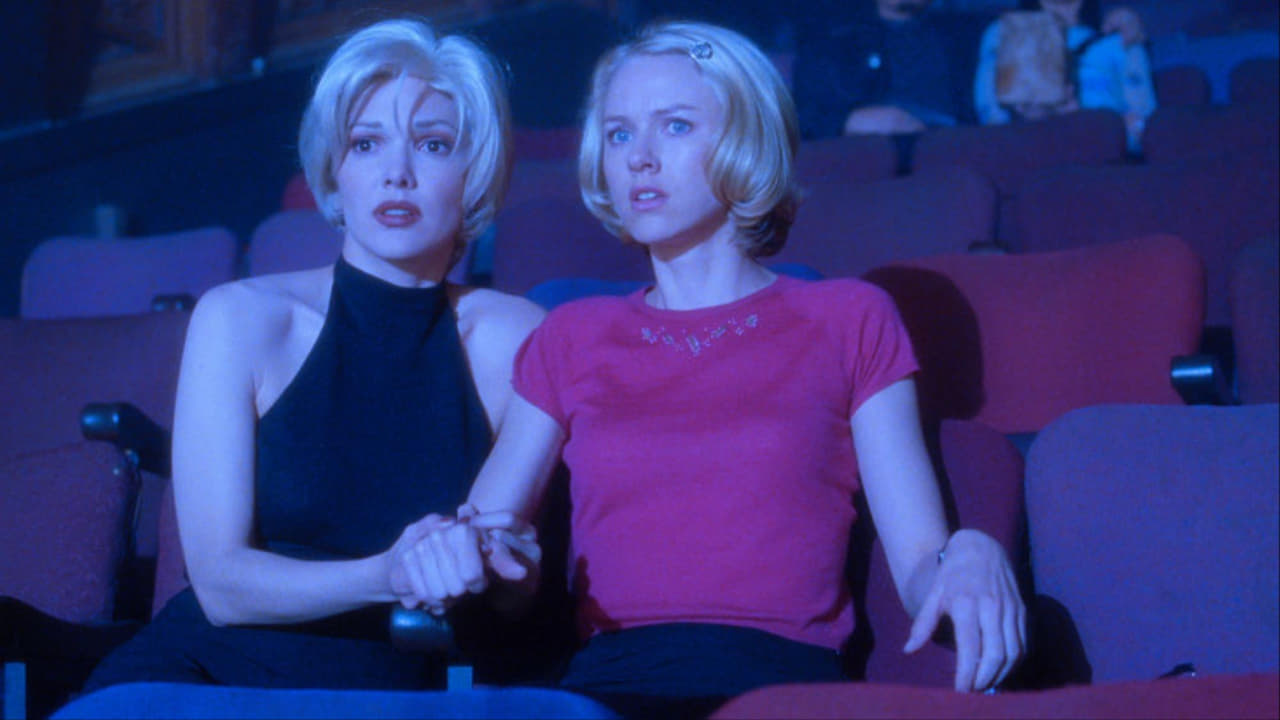
PARAMOUNT GUARD: And where do we think we're going, Miss?
BETTY: To my audition.
PARAMOUNT GUARD: And who are we auditioning for today?
BETTY: Wally Brown.
PARAMOUNT GUARD: And do we know which of the fifty-seven buildings Wally Brown is in?
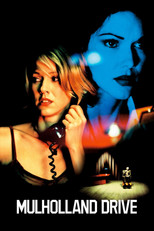
A wide-eyed aspiring actress arrives at the Paramount Studios gate for a life-changing audition. She encounters a patronizing but ultimately helpful security guard who provides her with directions and a gate pass, marking her first step into the Hollywood dream.
PARAMOUNT GUARD: And where do we think we're going, Miss?
BETTY: To my audition.
PARAMOUNT GUARD: And who are we auditioning for today?
BETTY: Wally Brown.
PARAMOUNT GUARD: And do we know which of the fifty-seven buildings Wally Brown is in?
Format: Duologue · Genre: drama · Source: Mulholland Drive · Author: David Lynch · Characters: Betty, Paramount Guard
This duologue, "Betty's Studio Arrival," is a compelling two-person scene from the film Mulholland Drive. It captures a pivotal moment for Betty, a young, hopeful aspiring actress, as she steps onto the iconic Paramount Studios lot for a significant audition. She encounters a Paramount Guard, who is initially formal and a little patronizing, but ultimately provides crucial directions and a touch of encouragement, setting the stage for Betty's Hollywood journey.
Betty embodies the quintessential ingenue, exuding a hopeful and slightly naive charm as she arrives at the studio gates. Her demeanor should convey her earnestness and excitement for this life-changing opportunity, balanced with a polite deference to authority. The Paramount Guard, on the other hand, is an authority figure with a formal and somewhat jaded tone, likely accustomed to countless dreamers passing through the gates. While his initial questions may come across as brusque, there's an underlying helpfulness and perhaps a hint of weary compassion in his final interaction, making him a complex character despite his brief appearance.
This scene is excellent for auditions because it offers rich opportunities for both actors to showcase contrasting yet complementary performances within a short timeframe. For Betty, it allows an actor to convey aspiration, politeness, and subtle vulnerability, demonstrating their ability to play an endearing and relatable character. For the Guard, it's a chance to display an authoritative yet nuanced performance, highlighting his world-weariness alongside his professional duty. The concise nature of the duologue means both characters get impactful moments, making it ideal for demonstrating range and presence efficiently.
"Betty's Studio Arrival" is particularly well-suited for actors in their 20s portraying Betty, and those in their 40s-60s for the Paramount Guard. It's an excellent choice for actors aiming for ingenue or "girl next door" casting types, as Betty’s optimism and politeness are key. For the Guard, it suits character actors or those often cast as authority figures. The formal yet encouraging tone makes it perfect for both self-tapes where subtlety can shine, and agent showcases where clear character choices are paramount.
For Betty, focus on embodying a genuine sense of wonder and excitement, tempered by a respectful and somewhat formal demeanor in the presence of the guard. Her smiles should be genuine and a bit eager, reflecting her internal anticipation. For the Paramount Guard, emphasize the initial formality and slight world-weariness in your delivery, but allow a subtle shift towards helpfulness and perhaps a touch of kindness in your final lines. Pay attention to the power dynamics and how they subtly shift, enriching the brief interaction between these two distinct characters.