
Film
duologue
Drama

Big Willie Leaves Frankie

from Million Dollar Baby

Written by Paul Haggis

Million Dollar Baby

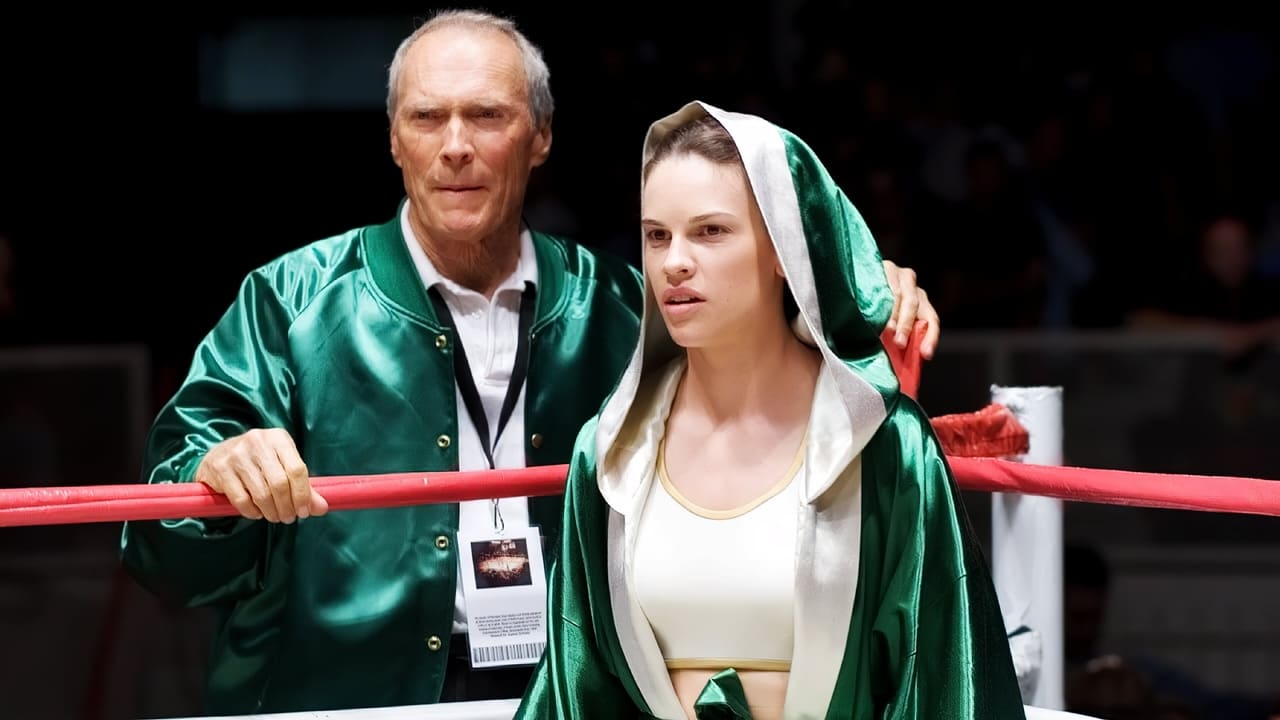
Big Willie visits Frankie at home to deliver the devastating news that he is leaving him for a high-profile manager. Despite Frankie having guided his entire career to the brink of a title shot, Willie feels he must make a business move to secure his financial future, leaving Frankie blindsided and betrayed.

Start a free 7-day trial — 5 downloads a day, unlimited when Pro begins

Rehearse this scene
Rehearse on your terms

Choose your role and voices for the other characters. Run the scene at your own pace.

Scene PreviewExcerpt — subscribe to read full scene

BIG WILLIE

Sorry to come round to your house like this, I know you don't like people dropping in.

FRANKIE

You're not people, Willie, you're welcome anytime.

BIG WILLIE

I wanted to thank you for getting Grace's car back. I also need to talk to you about business.

FRANKIE

I was just on the phone with Hogan. Told him we'd be ready in September. BIG…

End of preview. Continue with Pro below.

7 days freeYour next rehearsal starts here

Found your next scene? Make it yours.

Start your free trial and read Big Willie Leaves Frankie in full, with access to 1,000+ monologues and scenes to explore next.

  • Read the full scene and explore the library
  • Download your script in a clean, printable format
  • Take it into rehearsal with the Script Reader
Casting Types
Get Feedback
Coming Soon

Want expert coaching on this scene?

Browse our curated list of acting coaches, dialect specialists, and more.

Find a Coach

Need representation?

Browse verified agents and casting directors in our directory.

Scene Notes & Audition Tips

5 sections
About This Scene

This poignant duologue, “Big Willie Leaves Frankie,” depicts a moment of significant betrayal and emotional impact. It captures the raw vulnerability of two individuals facing a difficult crossroads, one making a pragmatic but hurtful decision, and the other reeling from the consequences. The scene offers a fantastic exploration of loyalty, ambition, and the harsh realities of the business world intersecting with personal relationships.

Character Analysis

Big Willie is presented as a man torn between gratitude and ambition, ultimately choosing what he believes is best for his financial future, despite the emotional cost. He exhibits a blend of genuine respect for Frankie and a steely resolve to advance his career, making him layered and compelling. Frankie, on the other hand, is blindsided and deeply hurt, experiencing a profound sense of betrayal from someone he has mentored and cared for, revealing his vulnerability beneath a tough exterior.

Why This Works for Auditions

This scene is ideal for auditions because it showcases a substantial emotional arc for both characters within a short timeframe. The dialogue is direct and impactful, allowing actors to deliver nuanced performances without relying on complex blocking. It provides an excellent opportunity to display intensity, vulnerability, and the ability to portray subtext, all crucial elements casting directors look for in dramatic roles, particularly for mature male actors.

Best Suited For

This piece is particularly well-suited for male actors in the 45-55 age range who can embody the archetypes of a Mentor, Authority Figure, or an Everyman with a working-class background. It’s perfect for agent showcases and self-tapes where a powerful dramatic display is needed. Actors aiming for roles requiring a portrayal of deep emotional pain, betrayal, or difficult decision-making will find this scene an excellent vehicle for their talents.

Performance Tips

When performing Big Willie, focus on the internal conflict between his appreciation for Frankie and his determination for financial security; showing his discomfort and sadness will add depth. For Frankie, allow the initial shock and disbelief to genuinely register before transitioning into his heartbroken accusation and attempt to rationalize. Remember that both characters are vulnerable, even in their differing positions, so lean into the emotional undercurrents rather than playing solely on anger or stoicism.

Explore this topic