
Skip to content
    Film
    duologue
    Thriller

    Bourne Confronts Conklin Outside Treadstone Paris

    from The Bourne Identity

    Written by Tony Gilroy and W. Blake Herron

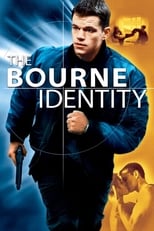
    The Bourne Identity

    2 min · 2 characters · Any gender · 25-35

    Bourne confronts his handler to demand the truth about his identity while Conklin tries to manipulate him back into the program.

    Start a free 7-day trial — 5 downloads a day, unlimited when Pro begins

    Rehearse this scene
    Rehearse on your terms

    Choose your role and voices for the other characters. Run the scene at your own pace.

    Scene PreviewExcerpt — subscribe to read full scene

    BOURNE

    What did you do to me?

    CONKLIN

    What did I do? What've you done? Do you have any idea? Any conception? What you've destroyed? Do you have any idea how much time and work -- how many people have their lives wrapped up in this?

    BOURNE

    Are you Treadstone?

    CONKLIN

    Am I Treadstone? Me? What the hell're you talking about?

    BOURNE

    What did you do to me?

    End of preview. Continue with Pro below.

    7 days freeYour next rehearsal starts here

    Found your next scene? Make it yours.

    Start your free trial and read Bourne Confronts Conklin Outside Treadstone Paris in full, with access to 7,000+ monologues and scenes to explore next.

    • Read the full scene and explore the library
    • Download your script in a clean, printable format
    • Take it into rehearsal with the Script Reader
    Casting Types
    Get Feedback
    Coming Soon

    Want expert coaching on this scene?

    Browse our curated list of acting coaches, dialect specialists, and more.

    Find a Coach

    Need representation?

    Browse verified agents and casting directors in our directory.

    Scene Notes & Audition Tips

    5 sections
    About This Scene

    Written by Tony Gilroy and W. Blake Herron, this contemporary thriller duologue captures a climactic confrontation between a rogue operative and his handler. Bourne ambushes Conklin on a quiet Paris street at night, demanding the truth about his erased identity and the psychological conditioning inflicted upon him. The encounter functions as a high-stakes chess match, moving rapidly from mutual shock into desperate psychological manipulation as Conklin attempts to regain control over his rogue asset.

    Character Analysis

    Bourne operates as a lethal anti-hero navigating profound disorientation, driven by the singular objective of discovering who he was before his memory was wiped. Beneath a disciplined, guarded exterior lies the shock of betrayal and the chilling realization of what he was trained to do. Conklin represents institutional authority pushed to the brink of panic, shifting on his feet from aggressive indignation to slick, condescending reassurance once he identifies the vulnerability in his former operative.

    Why This Works for Auditions

    This scene delivers an exceptional showcase of high-stakes subtext and vocal control, requiring both performers to convey lethal intent without escalating into theatrical shouting. The dialogue features rapid tactical adjustments, offering actors clear beats where the power balance visibly flips back and forth. For casting directors, it highlights an actor's capacity for intense focus, grounded presence, and psychological complexity within a compact two-minute duration.

    Best Suited For

    The piece is ideally tailored for self-tapes, agent showcases, and advanced scene study classes. It provides strong material for actors casting within the 25 to 35 age range who fit casting types such as Action Hero, Anti-Hero, Authority Figure, or Villain. While framed within an espionage narrative, the underlying dynamics of exploitation and severed trust make it compelling for actors of any gender.

    Performance Tips

    For the actor playing Bourne, internalize the shock of your character's predicament while keeping physical movement economical, grounded, and alert. Avoid playing generalized confusion; instead, direct your energy into the precise, urgent need to extract facts from the one person who possesses them. For Conklin, map the transition from genuine alarm to calculating opportunism as you realize your agent is broken and vulnerable to psychological re-entry. Maintain crisp pacing and allow the silence between lines to hold the physical danger of the moment.

    No ratings yet
    Sign in to rate
