Film
duologue
Drama
Thriller

Brief Psychotic Disorder

from Take Shelter

Written by Jeff Nichols

Take Shelter

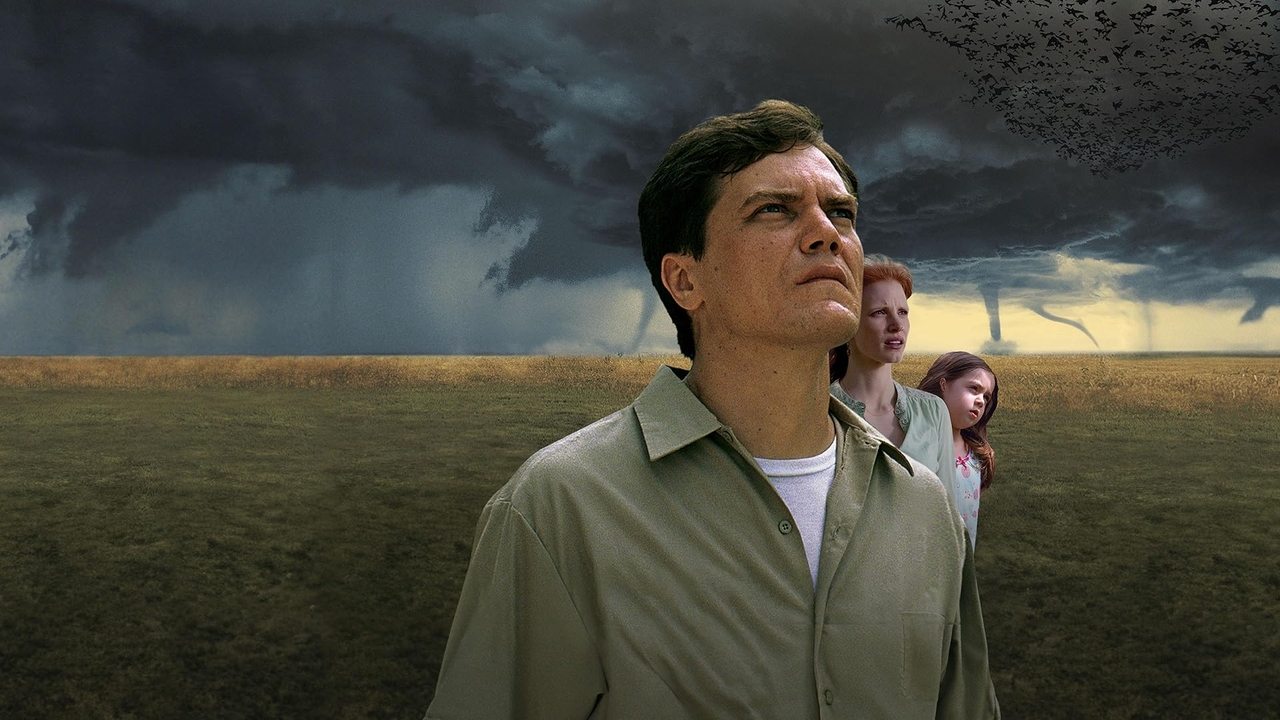
Curtis seeks help from a counselor as he experiences terrifying hallucinations and fears he is developing his mother's paranoid schizophrenia.

Start a free 7-day trial — 5 downloads a day, unlimited when Pro begins

Rehearse this scene
Rehearse on your terms

Choose your role and voices for the other characters. Run the scene at your own pace.

Scene PreviewExcerpt — subscribe to read full scene

CURTIS

Right. Well...

CURTIS

Out of the five possible symptoms needed to be diagnosed with schizophrenia:

End of preview. Continue with Pro below.

7 days freeYour next rehearsal starts here

Found your next scene? Make it yours.

Start your free trial and read Brief Psychotic Disorder in full, with access to 3,000+ monologues and scenes to explore next.

  • Read the full scene and explore the library
  • Download your script in a clean, printable format
  • Take it into rehearsal with the Script Reader
Casting Types
Get Feedback
Coming Soon

Want expert coaching on this scene?

Browse our curated list of acting coaches, dialect specialists, and more.

Find a Coach

Need representation?

Browse verified agents and casting directors in our directory.

Scene Notes & Audition Tips

5 sections
About This Scene

This intense duologue from the film *Take Shelter* introduces us to Curtis, a man grappling with terrifying hallucinations and a profound fear that he is developing the same paranoid schizophrenia that afflicted his mother. In this pivotal moment, Curtis seeks help from Kendra, a counselor, hoping to understand his symptoms and find a path toward managing them. The scene is a compelling exploration of mental health, hereditary trauma, and the desperate search for control when one's reality begins to unravel, showcasing a character in a vulnerable and desperate state.

Character Analysis

Curtis is presented as an Everyman type, deeply troubled and fighting an internal battle. He is articulate in his fear, having researched his symptoms, yet also incredibly vulnerable as he reveals the history of his mother's illness and his own emerging struggles. His intensity stems from his fear and the perceived threat to his family. Kendra, on the other hand, is an authority figure, professional and empathetic, but also clear about the boundaries of her role as a counselor. She maintains a supportive presence, guiding Curtis towards opening up about his traumatic past and current anxieties, embodying a calm counterpoint to Curtis's distressed state.

Why This Works for Auditions

This scene offers actors a powerful opportunity to display a wide emotional range, particularly for the role of Curtis. It allows for the portrayal of intense fear, vulnerability, intellectual processing of complex information, and underlying desperation, all within a grounded, dramatic context. The dialogue is naturalistic, providing ample room for subtle non-verbal cues and nuanced character work. For Kendra, it’s an excellent chance to showcase active listening, empathy, and a strong, centered presence, making it suitable for actors portraying supportive or professional roles.

Best Suited For

This scene is exceptionally well-suited for male actors aged 25-35 looking to portray complex, intense, and vulnerable characters with a working-class sensibility. It’s ideal for those wishing to demonstrate their ability to handle material revolving around mental health, trauma, and family history. For female actors aged 40s, the role of Kendra provides a strong opportunity to play a grounded, empathetic authority figure. This duologue is perfect for self-tapes, general practice, and agent showcases where actors want to highlight their dramatic depth and ability to portray profound internal conflict.

Performance Tips

For Curtis, focus on the underlying anxiety and fear that drives his carefully researched presentation. His intelligence is battling his terror, so showing that internal conflict is key. Pay attention to his physical tension and how it might subtly manifest as he tries to maintain composure. For Kendra, the performance should be about active listening and measured responses. Her professionalism should not negate her empathy; instead, it should inform her steady, supportive approach. Allow her presence to be a comforting anchor for Curtis, using subtle shifts in posture and vocal tone to convey understanding without judgment.

Explore this topic