
Film
monologue
Drama

Buying Elephants in Saigon

from The Deer Hunter

Written by Deric Washburn

The Deer Hunter

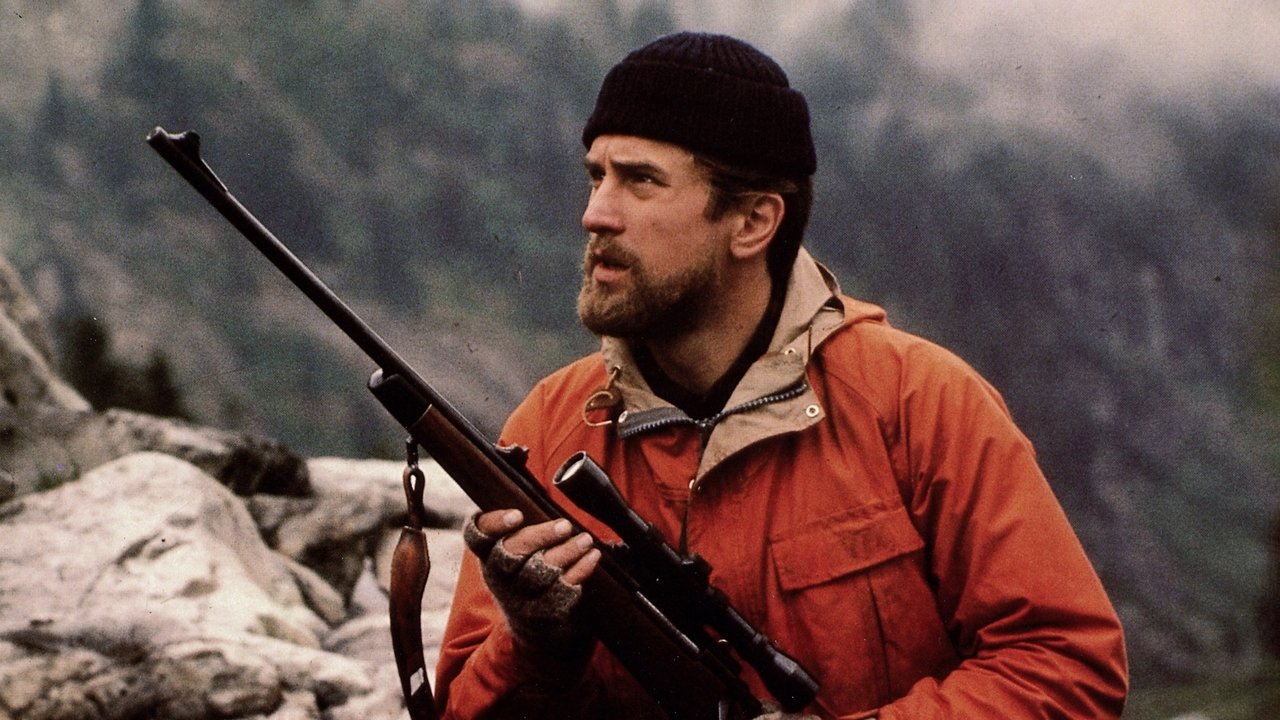
A traumatized soldier in Vietnam frantically buys wooden elephants for his wife while enlisting local children to help him carry them.

Start a free 7-day trial — 5 downloads a day, unlimited when Pro begins

Rehearse on your terms

Take this monologue into rehearsal and work through it at your own pace.

Scene PreviewExcerpt — subscribe to read full scene

NICK

Great... These are great. I wanna tell you these are great elephants! I'm going home, see... Stateside in a few days and my wife Linda, she loves elephants. She... she has a thing for elephants because elephants... Elephants go on. You know what I mean? They go right on. I don't know if they cry. Maybe at night. I mean... What I mean is my two best…

End of preview. Continue with Pro below.

7 days freeYour next rehearsal starts here

Found your next scene? Make it yours.

Start your free trial and read Buying Elephants in Saigon in full, with access to 3,000+ monologues and scenes to explore next.

  • Read the full scene and explore the library
  • Download your script in a clean, printable format
  • Take it into rehearsal with the Script Reader
Casting Types
Get Feedback
Coming Soon

Want expert coaching on this scene?

Browse our curated list of acting coaches, dialect specialists, and more.

Find a Coach

Need representation?

Browse verified agents and casting directors in our directory.

Scene Notes & Audition Tips

5 sections
About This Scene

This powerful monologue from the iconic film *The Deer Hunter* depicts Nick, a traumatized soldier, in a state of frenzied desperation during his Vietnam tour. He is seen frantically buying numerous wooden elephant figurines, ostensibly as gifts for his wife, and enlists local street children to help him carry them. The scene masterfully captures the psychological toll of war, showcasing Nick's unraveling mental state and his attempt to cling to normalcy amidst profound chaos. It offers a raw glimpse into a character grappling with unimaginable trauma.

Character Analysis

Nick is portrayed here as a man teetering on the edge, deeply affected by the horrors he has witnessed. His dialogue swings between superficial enthusiasm for the elephants and heartbreaking references to his fallen comrades, revealing a fractured psyche. Despite his erratic behavior, there's an underlying vulnerability and a desperate need for meaning in a world that has become meaningless. He attempts to exert control by organizing the children, perhaps to impose order on his internal disarray, yet his actions remain profoundly unsettling and frantic.

Why This Works for Auditions

"Buying Elephants in Saigon" is an exceptional audition piece because it demands a wide range of emotional expression within a short timeframe. It allows an actor to showcase intensity, vulnerability, and the complex internal world of a character under extreme duress. The monologue's build-up from benign observations to desperate confessions, interspersed with attempts at normalcy, provides a dynamic arc for performance. This piece offers a unique opportunity to demonstrate an actor's ability to navigate erratic dialogue, physicalize psychological strain, and create a multi-layered portrayal of trauma without resorting to overt melodrama.

Best Suited For

This intense monologue is perfectly suited for actors aged 25-35 seeking to portray characters with significant emotional depth and a complex internal life. It's ideal for those targeting "Leading Man," "Anti-Hero," "Vulnerable," "Intense," or "Gritty" casting types. Its dramatic weight and raw emotional demands make it particularly effective for drama school auditions, agent showcases, and self-tapes where a powerful, nuanced performance is required. Actors looking to explore themes of trauma, grief, and the psychological impact of war will find this piece compelling and highly rewarding.

Performance Tips

When approaching this monologue, focus on Nick's internal state rather than just his external actions. Explore the underlying grief and trauma that fuel his frantic energy and seemingly absurd obsession with the elephants. Allow the shifts in his dialogue to reflect his rapidly changing thoughts and emotions, moving between forced enthusiasm, chilling detachment, and moments of raw pain. Pay close attention to the rhythm and pacing of the lines; Nick's speech is erratic and punctuated by non-sequiturs, which should inform your delivery. Ground his physical choices in his desperation to control his environment, even as his mind unravels, allowing the physical and emotional expressions to intertwine authentically.

Explore this topic