Skip to content
    Film
    monologue
    Drama

    Carl Lee Haily Is Guilty

    from A Time to Kill

    Written by Akiva Goldsman

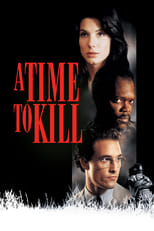
    A Time to Kill

    District Attorney Rufus Buckley delivers a stern closing argument to the jury, arguing that Carl Lee Hailey's personal tragedy does not excuse the act of premeditated murder and vigilantism.

    Start a free 7-day trial — 5 downloads a day, unlimited when Pro begins

    Rehearse on your terms

    Take this monologue into rehearsal and work through it at your own pace.

    Scene PreviewExcerpt — subscribe to read full scene

    BUCKLEY

    Is Carl Lee Haily insane? Of course not. It is a notion so outrageous the only witness the defense could produce to support it was a felon. No, ladies and gentlemen, the man sitting before you, Carl Lee Haily, is a confessed murderer. A man who has admitted to carrying out the sentences he believed the alleged rapists of his daughter deserved. He…

    End of preview. Continue with Pro below.

    7 days freeYour next rehearsal starts here

    Found your next scene? Make it yours.

    Start your free trial and read Carl Lee Haily Is Guilty in full, with access to 5,500+ monologues and scenes to explore next.

    • Read the full scene and explore the library
    • Download your script in a clean, printable format
    • Take it into rehearsal with the Script Reader
    Casting Types
    Get Feedback
    Coming Soon

    Want expert coaching on this scene?

    Browse our curated list of acting coaches, dialect specialists, and more.

    Find a Coach

    Need representation?

    Browse verified agents and casting directors in our directory.

    Scene Notes & Audition Tips

    5 sections
    About This Scene

    In Akiva Goldsman's contemporary legal drama *A Time to Kill*, District Attorney Rufus Buckley delivers an impassioned closing argument to a packed courtroom. Facing the jury directly, he challenges the defense's claims and addresses the tension between personal tragedy and the rule of law. This powerful one-minute dramatic monologue focuses on the dangers of vigilantism, calling on the jurors to uphold their civic duty regardless of their natural sympathies.

    Character Analysis

    District Attorney Rufus Buckley is a commanding authority figure who relies on sharp rhetoric, precision, and the weight of legal precedent. While he operates as an antagonist in the context of the trial, he represents the uncompromising voice of institutional justice. Buckley genuinely acknowledges the emotional devastation of the defendant's personal tragedy, yet he refuses to let emotional reactions excuse premeditated acts of violence. His primary objective is to persuade the jury that duty must always supersede emotion.

    Why This Works for Auditions

    This monologue offers an exceptional vehicle for actors looking to demonstrate gravitas, vocal control, and persuasive rhetoric within a concise sixty-second window. Because Buckley speaks directly to an assembled jury, the piece provides an active objective and immediate dramatic stakes. It allows the performer to show a strong command of heightened language without resorting to unearned shouting, highlighting subtle shifts between intellectual argument and moral conviction.

    Best Suited For

    This piece is ideal for male actors aged thirty-five to forty-five preparing for drama school auditions, agent showcases, self-tapes, or general practice. Performers aiming to be cast as lawyers, authority figures, or grounded antagonists will find this text especially beneficial. Its concise run time also makes it an efficient selection for fast-paced casting sessions where panel time is strictly limited.

    Performance Tips

    Treat the jury as individual listeners rather than a generic crowd, allowing your eye contact to connect intentionally as you lay out each point. Resist the temptation to play Buckley as entirely cold or vindictive; acknowledging the underlying tragedy makes your legal argument far more compelling and human. Anchor your physical presence with stillness and vocal clarity, letting the strength of the argument drive your momentum toward the final declaration.

    No ratings yet
    Sign in to rate