
Film
group
Post-Apocalyptic, Thriller

Carnegie's Vision of Power

from The Book of Eli

Written by Gary Whitta

The Book of Eli

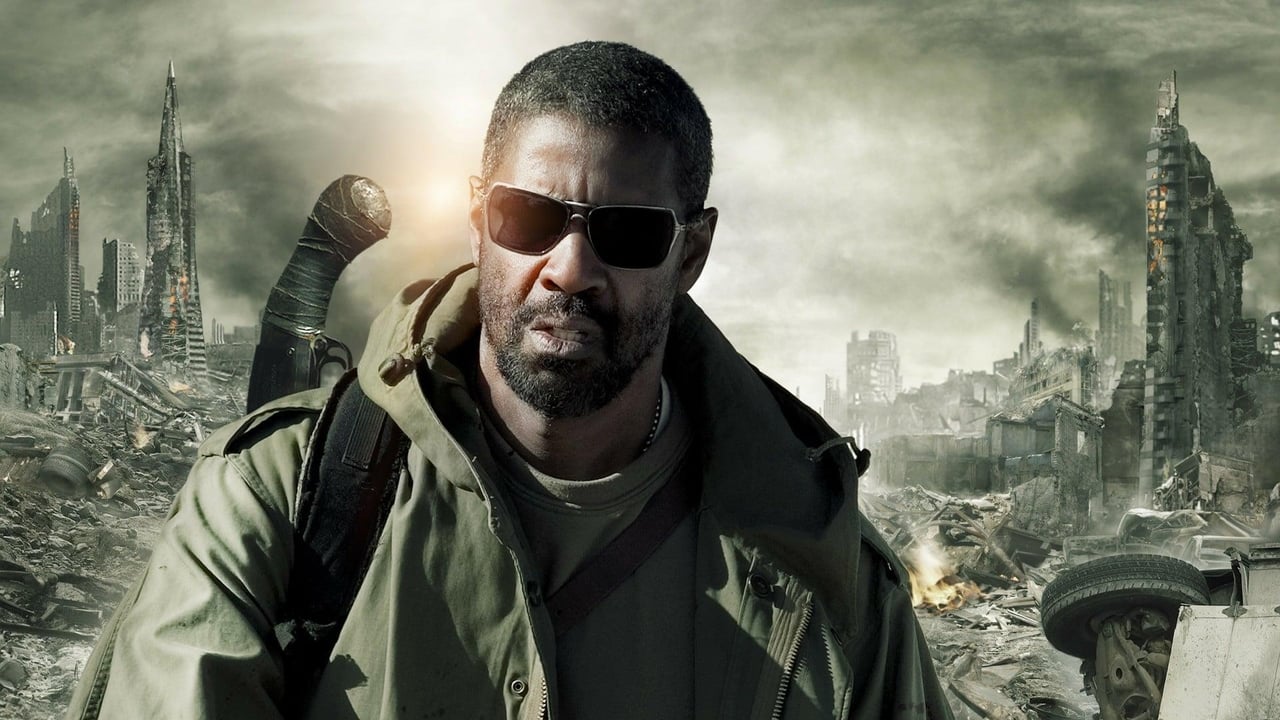
In a post-apocalyptic wasteland, the ruthless leader Carnegie explains to his enforcer Redridge why a specific book is the ultimate weapon for social control. He reveals his plan to use religious rhetoric to expand his power and build a new world in his own image, regardless of the book's actual contents.

Start a free 7-day trial — 5 downloads a day, unlimited when Pro begins

Rehearse this scene
Rehearse on your terms

Choose your role and voices for the other characters. Run the scene at your own pace.

Scene PreviewExcerpt — subscribe to read full scene

CARNEGIE

Thank you, darling.

REDRIDGE

He killed four of my men and walked out of town without a scratch. They shot off a hundred rounds at him and he didn’t get hit once. I never even heard of anything like that.

CARNEGIE

You know, I always thought of myself as a shepherd. Bringing together the wayward and the lost. Tending to my flock. But all the…

End of preview. Continue with Pro below.

7 days freeYour next rehearsal starts here

Found your next scene? Make it yours.

Start your free trial and read Carnegie's Vision of Power in full, with access to 1,000+ monologues and scenes to explore next.

  • Read the full scene and explore the library
  • Download your script in a clean, printable format
  • Take it into rehearsal with the Script Reader
Casting Types
Get Feedback
Coming Soon

Want expert coaching on this scene?

Browse our curated list of acting coaches, dialect specialists, and more.

Find a Coach

Need representation?

Browse verified agents and casting directors in our directory.

Scene Notes & Audition Tips

5 sections
About This Scene

This compelling scene features Carnegie, a ruthless leader in a post-apocalyptic world, as he unveils his manipulative vision to his enforcer, Redridge. Set against the harsh backdrop of a desert town, Carnegie articulates his belief that a specific book holds the key to absolute social control and power. Through his calculated dialogue, he reveals his ambition to leverage religious rhetoric, regardless of the text's actual content, to solidify his authority and reshape the world in his own image, showcasing a deeply menacing and charismatic personality.

Character Analysis

Carnegie is a complex and formidable character, primarily defined by his ambition and ruthlessness. He possesses a charismatic facade that masks a deeply manipulative nature, making him an archetypal villain. While he presents himself as a visionary "shepherd" to his followers, his true motivation is absolute power, which he believes can be achieved through psychological manipulation and control. His resilience is evident in his quick recovery despite a recent physical altercation, highlighting his single-minded focus on his objectives.

Why This Works for Auditions

This scene is a fantastic audition piece due to the rich character development and the clear arc of Carnegie's manipulative persuasion. The monologue delivers ample opportunity for an actor to showcase a wide range of emotions, from controlled menace to strategic charisma, without relying on physical action. It perfectly demonstrates an actor's ability to embody a powerful and intelligent villain or authority figure, making it ideal for casting directors looking for performers with gravitas and presence.

Best Suited For

This scene is exceptionally well-suited for male actors in their 50s to 70s who excel at portraying complex villains, authoritative figures, or anti-heroes. It's particularly effective for character actors who can delve into psychological depth and deliver a performance layered with menace and strategic thinking. The contained, dialogue-heavy nature makes it perfect for self-tapes, agent showcases, and general practice, allowing focus on vocal delivery and nuanced expression.

Performance Tips

When approaching Carnegie, focus on his underlying calm and controlled intensity, even when discussing his grand, ruthless plans. His charisma should feel practiced and deliberate, drawing others in despite the unsettling nature of his ambitions. Pay close attention to the shifts in his delivery; he can be reflective and almost philosophical, then suddenly decisive and menacing. Use pauses strategically to build tension and underscore the weight of his words, ensuring his vision of power is felt, not just heard.

Explore this topic