Film
monologue
Drama

Choose Life

from Trainspotting

Written by John Hodge

Trainspotting

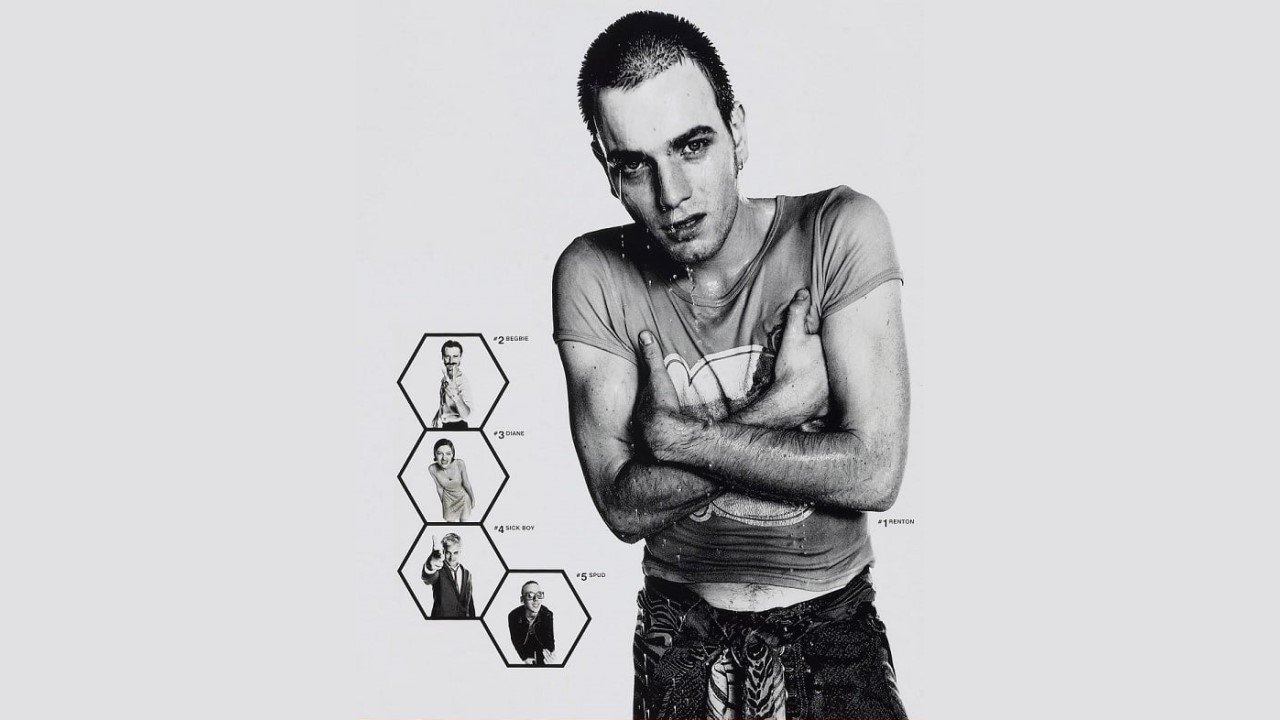
Mark Renton delivers a cynical, fast-paced manifesto against consumerist society while fleeing from store detectives and experiencing the highs and lows of heroin addiction. The monologue juxtaposes the mundane expectations of middle-class life with the chaotic, gritty reality of his own existence.

Start a free 7-day trial — 5 downloads a day, unlimited when Pro begins

Rehearse on your terms

Take this monologue into rehearsal and work through it at your own pace.

Scene PreviewExcerpt — subscribe to read full scene

RENTON

Choose life. Choose a job. Choose a career. Choose a family. Choose a fucking big television, Choose washing machines, cars, compact disc players, and electrical tin openers. Choose good health, low cholesterol and dental insurance. Choose fixed-interest mortgage repayments. Choose a starter home. Choose your friends. Choose leisure wear and…

End of preview. Continue with Pro below.

7 days freeYour next rehearsal starts here

Found your next scene? Make it yours.

Start your free trial and read Choose Life in full, with access to 1,000+ monologues and scenes to explore next.

  • Read the full scene and explore the library
  • Download your script in a clean, printable format
  • Take it into rehearsal with the Script Reader
Casting Types
Get Feedback
Coming Soon

Want expert coaching on this scene?

Browse our curated list of acting coaches, dialect specialists, and more.

Find a Coach

Need representation?

Browse verified agents and casting directors in our directory.

Scene Notes & Audition Tips

5 sections
About This Scene

This monologue, delivered by the character Renton from the film *Trainspotting*, offers a rapid-fire, cynical critique of conventional societal expectations. It unfolds against a backdrop of a thrilling chase, juxtaposing the protagonist's rebellious lifestyle with the mundane "choices" he scorns. The scene brilliantly encapsulates themes of addiction, rebellion, and existential questioning, making it a compelling piece for an actor to explore.

Character Analysis

Renton is fundamentally an anti-hero, an outsider who rejects the established norms of consumerist society. He is articulate and intelligent, but also deeply entrenched in a chaotic existence of drug use and petty crime. His tone is observational, imbued with a sharp cynicism and a restless spirit, but also hints at a deeper, perhaps unexpressed, desire for something more authentic. He embodies the gritty reality of someone living on the fringes, yet capable of profound thought and biting social commentary.

Why This Works for Auditions

This monologue is an excellent choice for auditions due to its iconic status and the dynamic range it offers an actor. Its fast-paced, rhythmic nature demands strong vocal control and breath support, while the underlying emotional current allows for subtle yet powerful dramatic choices. The contrast between the external action and Renton's internal monologue provides multiple layers for an actor to explore, showcasing versatility and a nuanced understanding of character.

Best Suited For

This piece is particularly well-suited for male actors in their 20s to 30s who are looking to portray a gritty, rebellious, or anti-heroic character. It would be ideal for drama school auditions, agent showcases, or self-tape submissions where an actor wants to demonstrate their ability to handle intense, character-driven material with a strong point of view. Actors comfortable with characters who embody counter-culture sentiments and possess a dark wit will find this monologue a strong fit.

Performance Tips

When tackling this monologue, focus on Renton's underlying cynicism, but ensure it doesn't become monotonous; vary your vocal rhythm and intensity to reflect his fast-paced thoughts and the unfolding external events. Pay close attention to the observational quality of his delivery, allowing his disdain for societal norms to come through in subtle inflections rather than overt anger. Explore the juxtaposition between his words and the physical actions described, using it to inform your internal monologue and create a sense of frantic energy and intellectual detachment.

Explore this topic