Skip to content
    Film
    group
    Thriller

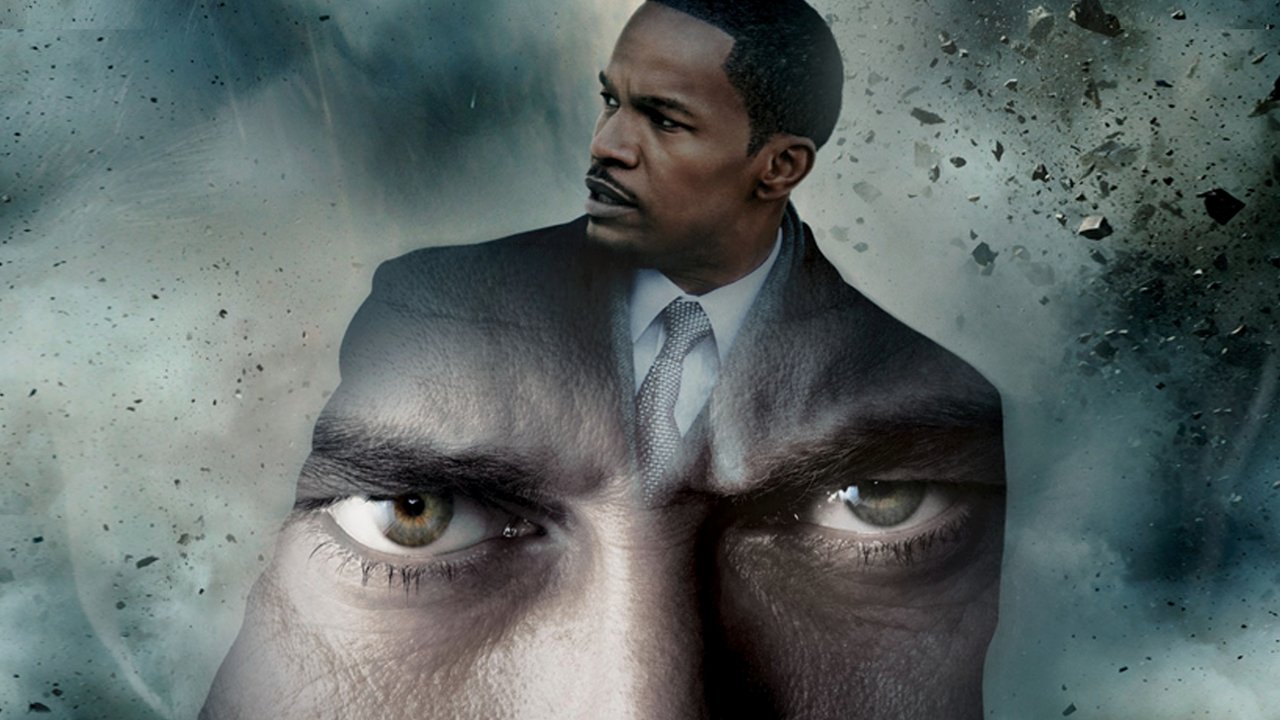
    Clyde Offers Nick a Confession in the Interrogation Room

    from Law Abiding Citizen

    Written by Frank Darabont & Kurt Wimmer

    Law Abiding Citizen

    3 min · 3 characters · Any gender · 35-45

    Clyde taunts Nick during an interrogation, challenging the legal system's flaws while Nick struggles to maintain his professional composure.

    Start a free 7-day trial — 5 downloads a day, unlimited when Pro begins

    Rehearse this scene
    Rehearse on your terms

    Choose your role and voices for the other characters. Run the scene at your own pace.

    Scene PreviewExcerpt — subscribe to read full scene

    CLYDE

    Counselor.

    NICK

    Mr. Clyde.

    CLYDE

    Why so formal? We go way back. Call me Benson. Or Ben.

    NICK

    Well. I'm here. So?

    CLYDE

    So. Maybe you can explain what this is all about.

    End of preview. Continue with Pro below.

    7 days freeYour next rehearsal starts here

    Found your next scene? Make it yours.

    Start your free trial and read Clyde Offers Nick a Confession in the Interrogation Room in full, with access to 7,000+ monologues and scenes to explore next.

    • Read the full scene and explore the library
    • Download your script in a clean, printable format
    • Take it into rehearsal with the Script Reader
    Casting Types
    Get Feedback
    Coming Soon

    Want expert coaching on this scene?

    Browse our curated list of acting coaches, dialect specialists, and more.

    Find a Coach

    Need representation?

    Browse verified agents and casting directors in our directory.

    Scene Notes & Audition Tips

    5 sections
    About This Scene

    Written by Frank Darabont & Kurt Wimmer, this intense contemporary thriller scene takes place inside a police interrogation room. Clyde sits across from prosecutor Nick and detective Dunnigan, facing direct accusations regarding the violent deaths of two men. Rather than panicking or seeking counsel, Clyde engages his captors in a calculated battle of wits, dissecting the prosecution's evidence and systematically mocking their assumptions. The exchange quickly evolves from a standard police questioning into a psychological chess match where the traditional balance of power is thoroughly upended.

    Character Analysis

    Clyde is an articulate, fiercely intelligent anti-hero who commands the room through calm precision and dark wit. Because he understands legal loopholes as well as the prosecutors do, he remains completely relaxed under pressure, weaponizing courtesy to infuriate his accusers. Nick represents the establishment: an experienced, ambitious lawyer accustomed to dominating suspects through evidence and procedural leverage. As Clyde continuously slips out of his grasp, Nick must fight to maintain his professional facade. Dunnigan serves as the blunt, aggressive counterweight, providing raw law enforcement frustration that clashes against Clyde's deliberate restraint.

    Why This Works for Auditions

    This scene offers exceptional material for demonstrating psychological stillness, status play, and subtext. Because the physical setting is confined to a table and chairs, the impact relies entirely on vocal modulation, active listening, and micro-expressions. For actors playing Clyde, it provides a masterclass in controlled villainy where chilling composure speaks louder than volume. For performers reading Nick or Dunnigan, it tests the ability to play authentic irritation and professional authority without losing strategic focus.

    Best Suited For

    This piece is ideal for actors in the 35-45 age range preparing for agent showcases, self-tapes, or dramatic scene study. It fits performers targeting roles in legal thrillers, procedural television, and high-stakes crime dramas that demand strong presence and crisp dialogue delivery.

    Performance Tips

    Resist the urge to push the pace or overplay the antagonism. Clyde’s advantage comes from his effortless relaxation, so allow long, confident pauses to unnerve your scene partners rather than leaning into theatrical villainy. Actors playing Nick and Dunnigan should concentrate on subtextual tension, letting the cracks in their professional armor show through tight vocal control and sharp physical reactions. Ensure that the focus remains locked on the transactional nature of the conversation, treating every piece of legal argument like a physical move across a chessboard.

    No ratings yet
    Sign in to rate