
Film
duologue
Drama
Thriller

Conquer Your Demons

from Foxcatcher

Written by E. Max Frye, Dan Futterman, Bennett Miller

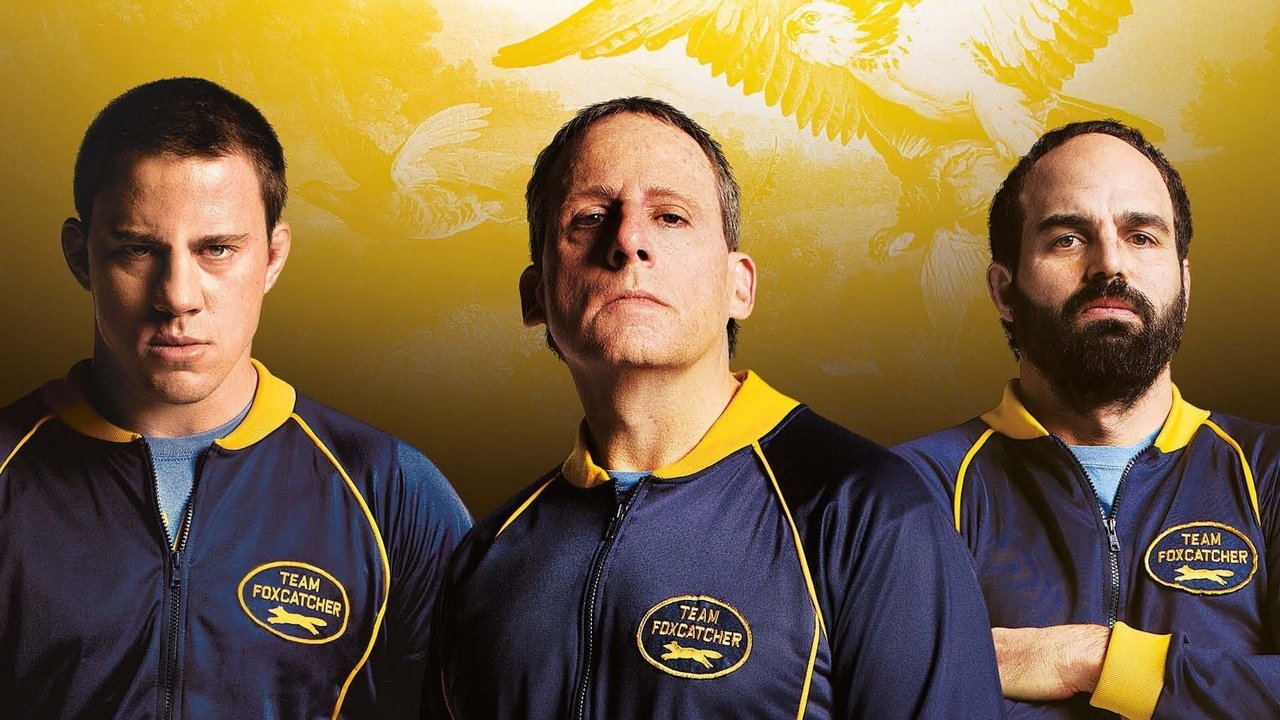
Foxcatcher

Du Pont shares a lonely childhood secret, prompting Mark to reveal his intense pre-competition anxiety as they bond over their shared inner demons.

Start a free 7-day trial — 5 downloads a day, unlimited when Pro begins

Rehearse this scene
Rehearse on your terms

Choose your role and voices for the other characters. Run the scene at your own pace.

Scene PreviewExcerpt — subscribe to read full scene

DU PONT

When I was fourteen, my best friend was Clifford Holt, our gardener’s son. Then I found out Mother had been paying him for years to look out for me.

MARK

We all have our demons.

DU PONT

It’s good to know you and I have come to this without any of that nonsense. Financial nonsense.

End of preview. Continue with Pro below.

7 days freeYour next rehearsal starts here

Found your next scene? Make it yours.

Start your free trial and read Conquer Your Demons in full, with access to 3,000+ monologues and scenes to explore next.

  • Read the full scene and explore the library
  • Download your script in a clean, printable format
  • Take it into rehearsal with the Script Reader
Casting Types
Get Feedback
Coming Soon

Want expert coaching on this scene?

Browse our curated list of acting coaches, dialect specialists, and more.

Find a Coach

Need representation?

Browse verified agents and casting directors in our directory.

Scene Notes & Audition Tips

5 sections
About This Scene

This compelling duologue from the film *Foxcatcher* presents an intense and intimate moment between Du Pont and Mark. Set in a contemporary period, the scene delves into the vulnerability and shared psychological struggles of two men from vastly different backgrounds, temporarily united by a common interest and a burgeoning, if unconventional, mentorship. The conversation rapidly escalates from Du Pont's revealing childhood secret to Mark's admission of his profound pre-competition anxiety, culminating in a powerful, albeit disturbing, display of their shared philosophy on conquering personal demons.

Character Analysis

Du Pont, aged 40s-50s, is portrayed as a complex character, carrying the weight of a lonely, privileged upbringing. His vulnerability in sharing his past shows a yearning for genuine connection, even as his later actions reveal a deeper, perhaps unstable, intensity. Mark, a wrestler in his 20s-30s, embodies the athletic mindset, driven by physical and mental endurance, but also grappling with immense pressure and self-doubt. His initial reticence gives way to a raw honesty, demonstrating his own need for understanding and validation, which he finds in Du Pont’s unexpected candor.

Why This Works for Auditions

This scene is excellent for auditions because it showcases a wide emotional range within a compact duration. Actors can demonstrate vulnerability, intensity, and the subtle shifts in power dynamics and budding connection between two distinct personalities. The dialogue is grounded yet allows for powerful emotional expression, making it suitable for both naturalistic and more stylized performances. It provides a unique opportunity to explore themes of loneliness, obsession, and the challenging aspects of mentorship.

Best Suited For

This scene is ideally suited for male actors in the specified age ranges (Du Pont: 40s-50s, Mark: 20s-30s) who can portray complex characters. It particularly shines for those aiming for "Character Actor," "Patriarch," or "Athlete" casting types, as well as actors comfortable with "Intense" or "Outsider" portrayals. The emotional depth and contemporary setting make it versatile for agent showcases, self-tapes, or general practice, appealing to actors looking to display a nuanced performance grounded in psychological realism.

Performance Tips

For Du Pont, focus on the underlying loneliness and the awkwardness of seeking connection, allowing his later actions to reveal a dark, almost childlike determination. For Mark, ground his performance in the physical toll of his sport while conveying the surprising vulnerability and eventual catharsis in sharing his fears. Pay close attention to the beats and shifts in focus; the scene's power lies in the unspoken understanding and the escalating, almost desperate, bonding over their shared anxieties. Embrace the tone's intensity, ensuring each line feels earned and deeply personal for your character.

Explore this topic