DIVINE EYE: You know, I lied when I came into the program. I said I didn't know what those plays were and I just wanted to talk to the chicks and all that. I mean, I did want to talk to chicks, but I knew about the plays. I was artistic, you know. When I was a kid. I painted. Drew a lot. Anytime my mom's friends were sick, she'd have me draw a card for…
Divine Eye's Confession and Revelation — Sing Sing
Divine Eye reveals to Divine G that his initial cynicism toward the prison's theater program was a front for his lifelong artistic yearning. He challenges Divine G's stoicism, urging him to drop his mask and accept the community's support after a personal failure.
Format: Duologue · Genre: drama · Source: Sing Sing · Author: Greg Kwedar · Characters: Divine Eye, Divine G
About This Scene
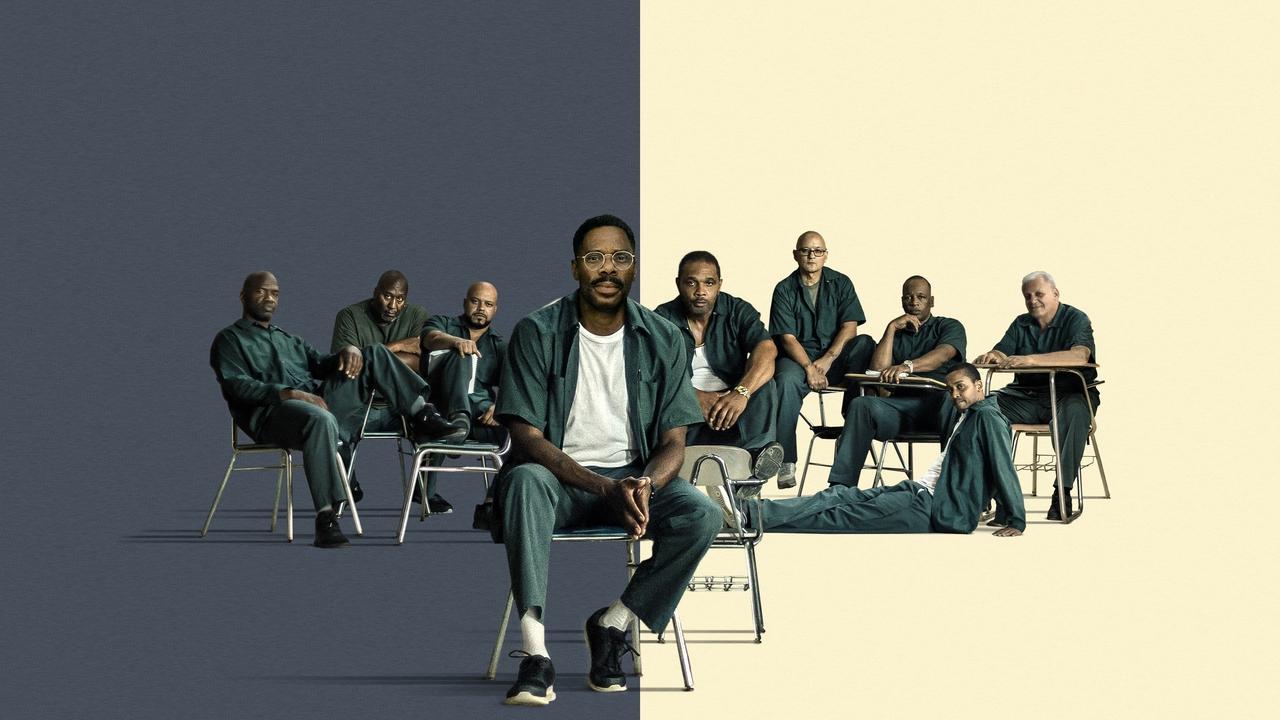
This compelling duologue, "Divine Eye's Confession and Revelation," unfolds between two male characters, Divine Eye and Divine G, within a contemporary prison setting. It’s a moment of profound vulnerability where Divine Eye opens up about his hidden artistic past and his true motivation for joining the prison's theater program. The scene highlights the transformative power of art and community, moving from a deeply personal confession to a compassionate challenge, urging Divine G to drop his own emotional guard and accept support.
Character Analysis
Divine Eye initially presents as a cynical character, but this scene brilliantly unmasks his true, deeply artistic and sensitive nature. He is someone who has long suppressed his genuine self, driven by external pressures and a desire to conform to a tough image. Divine G, while stoic, is portrayed as someone who embodies the raw emotional truth on stage, yet struggles to express it in his personal life. He is a character grappling with failure and isolation, making him receptive, though perhaps resistant, to Divine Eye's profound insights and support.
Why This Works for Auditions
This scene is ideal for auditions because it offers rich emotional complexity and a clear arc for both characters. Divine Eye’s extended monologue provides a fantastic opportunity to showcase vulnerability, confession, and persuasive speaking, demonstrating a wide emotional range from quiet reflection to passionate conviction. The dynamic between the two characters allows for strong interplay, even though one speaks more, making it an excellent vehicle for actors to display active listening, nuanced reactions, and the ability to build rapport under pressure.
Best Suited For
This piece is particularly well-suited for male actors in their 30s to 50s who excel at portraying characters with hidden depths and emotional journeys. It's perfect for those aiming for roles that require a blend of grounded realism, vulnerability, and resilience, aligning with "Leading Man," "Character Actor," and "Gritty" casting types. Its powerful themes of redemption and artistic expression also make it highly effective for drama school auditions, agent showcases, and self-tape submissions where genuine emotional connection is key.
Performance Tips
When approaching Divine Eye, focus on revealing his journey from guardedness to genuine openness; allow the humor and vulnerability to surface naturally as he confesses. For Divine G, the challenge lies in conveying a spectrum of emotional responses through subtle reactions and quiet listening, rather than overt dialogue. Emphasize the supportive, yet challenging, dynamic between the two, ensuring that Divine Eye's plea is an act of deep friendship rather than judgment. Remember to ground your performance in the prison setting, letting the confined environment subtly influence your portrayal of their inner worlds.