Skip to content
    Tv
    duologue
    drama

    Finch's Machine

    from Person of Interest

    Written by Jonathan Nolan

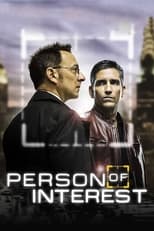
    Person of Interest

    Harold Finch reveals the secret origin of 'The Machine' to John Reese, explaining how he built a mass surveillance system for the government that ignores 'irrelevant' crimes. Finch expresses his guilt over the lives he couldn't save, while Reese questions the morality and effectiveness of their new mission.

    Start a free 7-day trial — 5 downloads a day, unlimited when Pro begins

    Rehearse this scene
    Rehearse on your terms

    Choose your role and voices for the other characters. Run the scene at your own pace.

    Scene PreviewExcerpt — subscribe to read full scene

    REESE

    What exactly have you gotten me into?

    FINCH

    I don't know. That's the whole point.

    REESE

    The real killers are a group of corrupt cops led by this man: Stills. He used to be partners with Fusco, the homicide detective who collared Pope. Which explains how they were able to plant that much evidence on him.

    FINCH

    Six?

    REESE

    Bray got a phone call…

    End of preview. Continue with Pro below.

    7 days freeYour next rehearsal starts here

    Found your next scene? Make it yours.

    Start your free trial and read Finch's Machine in full, with access to 5,500+ monologues and scenes to explore next.

    • Read the full scene and explore the library
    • Download your script in a clean, printable format
    • Take it into rehearsal with the Script Reader
    Casting Types
    Get Feedback
    Coming Soon

    Want expert coaching on this scene?

    Browse our curated list of acting coaches, dialect specialists, and more.

    Find a Coach

    Need representation?

    Browse verified agents and casting directors in our directory.

    Scene Notes & Audition Tips

    5 sections
    About This Scene

    This gripping duologue from *Person of Interest* features Harold Finch finally revealing the true nature of his mysterious "Machine" to John Reese. Set in contemporary times, against the backdrop of a significant real-world event, this scene serves as a pivotal moment where Finch unpacks the heavy burden of his creation and the inherent moral compromises involved. It’s a powerful exploration of guilt, partnership, and the gray areas of surveillance and justice.

    Character Analysis

    Harold Finch is presented here as a man of immense intellect, burdened by the consequences of his own genius and moral choices. He is contemplative, vulnerable, and deeply affected by the limitations of the system he designed, particularly its inability to prevent what it deems "irrelevant" crimes. John Reese, in contrast, is the pragmatic enforcer, questioning the opaque methods and moral ambiguities of their mission with a determined skepticism, yet also demonstrating a willingness to understand and engage with Finch's complex world.

    Why This Works for Auditions

    This scene is a fantastic choice for auditions due to its immediate dramatic tension and inherent revelatory nature. It allows actors to showcase a wide range of emotions – from Finch's deep-seated guilt and determination to Reese's critical questioning and intense focus – within a grounded, serious context. The shifting power dynamic, where Finch finally opens up and Reese grapples with the implications, provides excellent opportunities for nuanced performances and strong character choices.

    Best Suited For

    This scene is particularly well-suited for male actors in their 40s to 50s. It’s ideal for those who excel at portraying characters with gravitas, intelligence, and a capacity for complex emotional journeys. Actors comfortable with Leading Man, Authority Figure, or Nerd casting types will find ample material to explore, especially if they can embody both a world-weary resolve and a deep-seated vulnerability.

    Performance Tips

    Actors should focus on the underlying moral dilemma and the weight of Finch’s confession. For Finch, emphasize the internal conflict between his intellectual creation and the human cost it incurs, using pauses and vocal shifts to convey his deep-seated guilt and the difficult decision to trust Reese. For Reese, portray his skepticism as more than just questioning; express his frustration at the hidden information and his analytical mind trying to piece together the implications, allowing his body language to reflect his intense, watchful nature.

    No ratings yet
    Sign in to rate