Film
duologue
Drama
Thriller

Frank Beachum, Luther Plunkitt — Anything I can get for you? Anything

from True Crime

Written by Stephen Schiff
True Crime

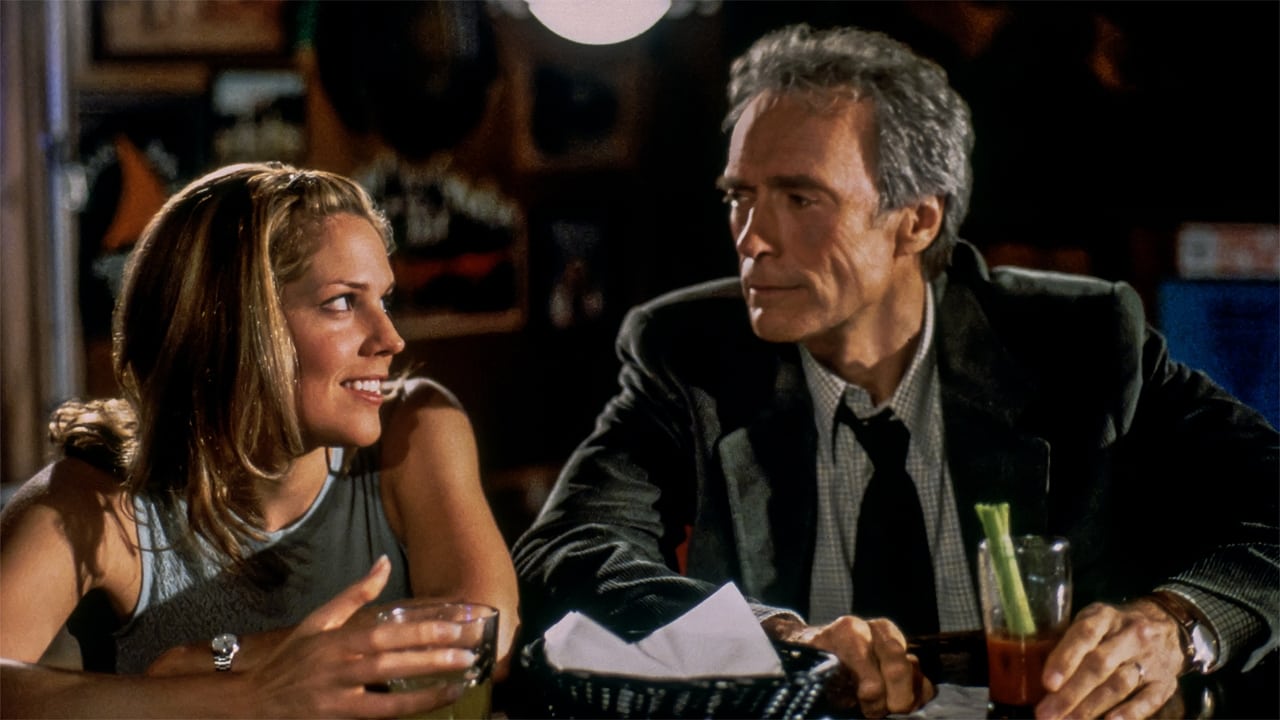
A prison warden discusses the logistical details of an upcoming execution with a death row inmate who refuses a sedative to remain present for his wife.

Start a free 7-day trial — 5 downloads a day, unlimited when Pro begins

Rehearse this scene
Rehearse on your terms

Choose your role and voices for the other characters. Run the scene at your own pace.

Scene PreviewExcerpt — subscribe to read full scene

PLUNKITT

Morning, Frank.

BEACHUM

Mr. Plunkitt.

PLUNKITT

Anything I can get for you? Anything you need?

BEACHUM

No. Can't think of nothin'.

PLUNKITT

There're some matters I gotta discuss with you. Figure we do it first thing, get it out of the way.

End of preview. Continue with Pro below.

7 days freeYour next rehearsal starts here

Found your next scene? Make it yours.

Start your free trial and read Frank Beachum, Luther Plunkitt — Anything I can get for you? Anything in full, with access to 4,000+ monologues and scenes to explore next.

  • Read the full scene and explore the library
  • Download your script in a clean, printable format
  • Take it into rehearsal with the Script Reader
Casting Types
Get Feedback
Coming Soon

Want expert coaching on this scene?

Browse our curated list of acting coaches, dialect specialists, and more.

Find a Coach

Need representation?

Browse verified agents and casting directors in our directory.

Scene Notes & Audition Tips

5 sections
About This Scene

This intense duologue from the film *True Crime* features a prison warden, Plunkitt, engaging in a somber and procedural discussion with Frank Beachum, a death row inmate, on the morning of his execution. The scene meticulously outlines the chilling logistical details leading up to Beachum's final moments, including his last meal, personal effects, and the precise timeline of the procedure. It’s a powerful exploration of a man confronting his mortality with a facade of composure, while another navigates his professional duty in an emotionally charged environment.

Character Analysis

Frank Beachum, likely in his 20s to 30s based on the age range, presents an outwardly calm, almost detached demeanor despite the imminent gravity of his situation, hinted at by his "eerily still" posture and slow nods. This exterior likely masks profound inner turmoil and a desperate attempt to maintain dignity in the face of the ultimate loss of control. Plunkitt, a warden in his 40s, embodies the "Authority Figure" and "Everyman" casting types, demonstrating a conflicted sense of professional obligation and perhaps a subtle discomfort, evidenced by his "wince" at a sound and staring at Beachum’s cigarette. Both characters navigate a deeply uncomfortable interaction with a veneer of routine.

Why This Works for Auditions

This scene offers actors a rich opportunity to showcase subtlety, emotional depth, and intense vulnerability without resorting to overt dramatics. The dialogue is grounded and realistic, allowing performers to explore complex internal states through nuanced vocal choices and controlled physicality, which is highly valued in audition settings. It’s a compelling piece that demands focus and gravitas, providing a strong platform to demonstrate an actor's ability to hold tension and convey powerful emotions with restraint.

Best Suited For

This scene is particularly well-suited for male actors in the 25-35 age range, with one role extending to the 40s, looking to portray characters under immense pressure. It is ideal for those comfortable with intense dramatic material and interested in exploring themes of life, death, and human dignity within a confined, high-stakes setting. Actors who can embody "Vulnerable," "Intense," "Authority Figure," or "Everyman" casting types will find ample material to explore and impress with their range and depth.

Performance Tips

When approaching this scene, actors should focus on the subtext and unspoken emotions present in every line. For Beachum, lean into the quiet desperation and the fight for dignity, using stillness and measured responses to convey his inner state. For Plunkitt, emphasize the burden of his duty and the underlying discomfort with the morbid protocol, allowing small gestures or vocal inflections to reveal his humanity beneath the professional facade. Pay close attention to the pacing, allowing moments of silence to hang heavy with meaning and amplify the scene's inherent tension.

Explore this topic