Skip to content
    Film
    monologue
    Drama

    Going Back to Being Myself

    from Sound of Falling

    Written by Mascha Schilinski, Louise Peter

    Sound of Falling

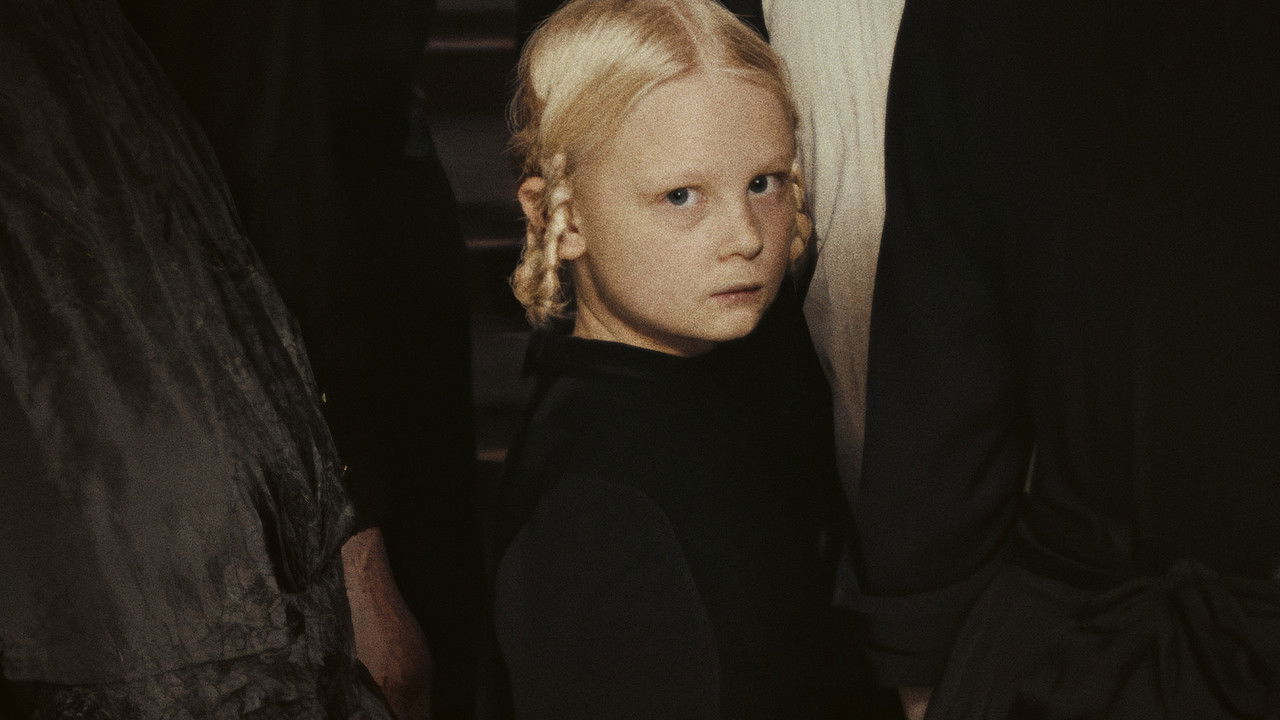
    Angelika reflects on her tendency to mimic others and the dissociative struggle of trying to reclaim her own identity to please her father.

    Start a free 7-day trial — 5 downloads a day, unlimited when Pro begins

    Rehearse on your terms

    Take this monologue into rehearsal and work through it at your own pace.

    Scene PreviewExcerpt — subscribe to read full scene

    ANGELIKA

    When I spent time with a friend of mine, it didn’t take long until everyone said that I spoke just like her. Even if there were some things I didn’t like, somehow I still had to adopt them: the high-pitched laugh, the tone of voice. I didn’t do it on purpose, my body somehow did it on its own. In the evening, Dad would sometimes decide that…

    End of preview. Continue with Pro below.

    7 days freeYour next rehearsal starts here

    Found your next scene? Make it yours.

    Start your free trial and read Going Back to Being Myself in full, with access to 6,000+ monologues and scenes to explore next.

    • Read the full scene and explore the library
    • Download your script in a clean, printable format
    • Take it into rehearsal with the Script Reader
    Casting Types
    Get Feedback
    Coming Soon

    Want expert coaching on this scene?

    Browse our curated list of acting coaches, dialect specialists, and more.

    Find a Coach

    Need representation?

    Browse verified agents and casting directors in our directory.

    Scene Notes & Audition Tips

    5 sections
    About This Scene

    Written by Mascha Schilinski and Louise Peter for the contemporary dramatic film Sound of Falling, this vulnerable one-minute monologue centers on the quiet pain of losing touch with one's core identity. Angelika, a young woman in her late teens, reflects on her involuntary habit of absorbing the vocal patterns and behaviors of others. As she tries to satisfy her father's demand to return to her true self, she confronts a profound dissociative disconnect.

    Character Analysis

    Angelika is a deeply observant yet internally fractured teenager navigating an intense identity crisis. Fitting the vulnerable outsider casting type, she struggles with an involuntary dissociation where her body mirrors those around her without her conscious consent. Her relationship with her father adds a poignant layer of pressure, compelling her to actively study and perform what she believes he wants her to be rather than existing freely.

    Why This Works for Auditions

    Clocking in at around one minute, this contemporary dramatic piece offers auditioning actors a rich emotional arc within a compact time frame. Rather than relying on explosive conflict or external drama, the material demands intense psychological presence, stillness, and nuanced subtext. Casting panels and agents get an immediate look at your ability to communicate complex, internal storytelling without slipping into sentimentality.

    Best Suited For

    This selection is exceptionally well suited for drama school auditions, agent showcases, self-tape submissions, and general screen-acting practice. It is an outstanding match for female performers playing under eighteen or late teens who align with ingenue, outsider, or dramatic casting profiles. Performers wishing to display quiet maturity, restraint, and an aptitude for character-driven drama will find it especially rewarding.

    Performance Tips

    Approach this piece as an active memory where each realization unfolds in real time rather than as a practiced speech. Avoid playing the struggle with exaggerated melancholy; instead, tap into the honest bewilderment and earnest desire to regain control over your own body and voice. Keep your physical delivery grounded and still, allowing the camera or panel to read the precise moment your character shifts into playing a role for someone else.

    No ratings yet
    Sign in to rate