Skip to content
    Film
    duologue
    Thriller

    Hale and Deakins Trade Threats Over the Radio

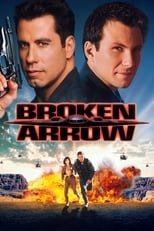
    from Broken Arrow

    Written by Graham Yost

    Broken Arrow

    2 min · 2 characters · Any gender · 25-35

    Hale taunts Deakins over the radio, threatening to detonate stolen nuclear warheads as Deakins attempts to track his location.

    Start a free 7-day trial — 5 downloads a day, unlimited when Pro begins

    Rehearse this scene
    Rehearse on your terms

    Choose your role and voices for the other characters. Run the scene at your own pace.

    Scene PreviewExcerpt — subscribe to read full scene

    HALE

    Deak -- you there? Ding, ding, ding, Deak. We're starting a new round. You took the first couple, but I've got you on the ropes now, you son of bitch.

    DEAKINS

    Hey, there. What was that last part? There was some static. Find them. Let's go!

    HALE

    I know you're stalling while you try to find the nukes with your scanner, but you're gonna be too late.…

    End of preview. Continue with Pro below.

    7 days freeYour next rehearsal starts here

    Found your next scene? Make it yours.

    Start your free trial and read Hale and Deakins Trade Threats Over the Radio in full, with access to 7,500+ monologues and scenes to explore next.

    • Read the full scene and explore the library
    • Download your script in a clean, printable format
    • Take it into rehearsal with the Script Reader
    Casting Types
    Get Feedback
    Coming Soon

    Want expert coaching on this scene?

    Browse our curated list of acting coaches, dialect specialists, and more.

    Find a Coach

    Need representation?

    Browse verified agents and casting directors in our directory.

    Scene Notes & Audition Tips

    5 sections
    About This Scene

    Written by Graham Yost, this contemporary thriller duologue from *Broken Arrow* captures a tense verbal showdown conducted entirely over a radio frequency. Hale initiates communication to taunt Deakins, bluffing and threatening to tamper with stolen nuclear warheads while Deakins works to track his coordinates. With a strict ticking-clock dynamic and high tactical stakes, the conversation reveals a deep history of personal betrayal and professional rivalry pushed to the brink of catastrophe.

    Character Analysis

    Hale operates from an underdog position, leaning heavily into dark bravado to mask tactical vulnerability and regain control of a deteriorating situation. He is determined to prove his mettle against a former ally who constantly underestimates him. Deakins presents as calculating, dismissive, and supremely arrogant, weaponizing condescension to throw Hale off balance. However, beneath Deakins' icy composure lies a sharp survival instinct that surfaces the moment Hale demonstrates an unpredictable willingness to escalate the stakes.

    Why This Works for Auditions

    This two-minute scene is an exceptional vehicle for demonstrating subtext, status play, and active listening without relying on physical action. Because the characters communicate remotely, actors must communicate immense tension, tactical calculation, and shifting leverage purely through vocal rhythm, facial stillness, and reaction. It provides both performers with clear beats where authority changes hands, offering casting directors proof of command in fast-paced genre material.

    Best Suited For

    The piece is ideally tailored for performers aged 25 to 35 seeking material for self-tapes, agent showcases, or general scene study. It serves casting types such as Action Hero, Villain, Anti-Hero, Military, and Tough. With its universal themes of betrayal and tactical mind games, the material can easily be performed by actors of any gender.

    Performance Tips

    Resist the urge to over-project or shout to convey urgency; communicating over a radio demands controlled vocal resonance and economic physical movement. Focus on the extensive history between the two figures, treating each insult as a calibrated psychological strike rather than casual banter. Pay close attention to the transitions where one speaker realizes the other has outmaneuvered them, letting the surprise register internally before putting the defensive mask back on.

    No ratings yet
    Sign in to rate