
Film
duologue
Romantic Comedy

Hemingway's Philosophy of Love and Death

from Midnight in Paris

Written by Woody Allen

Midnight in Paris

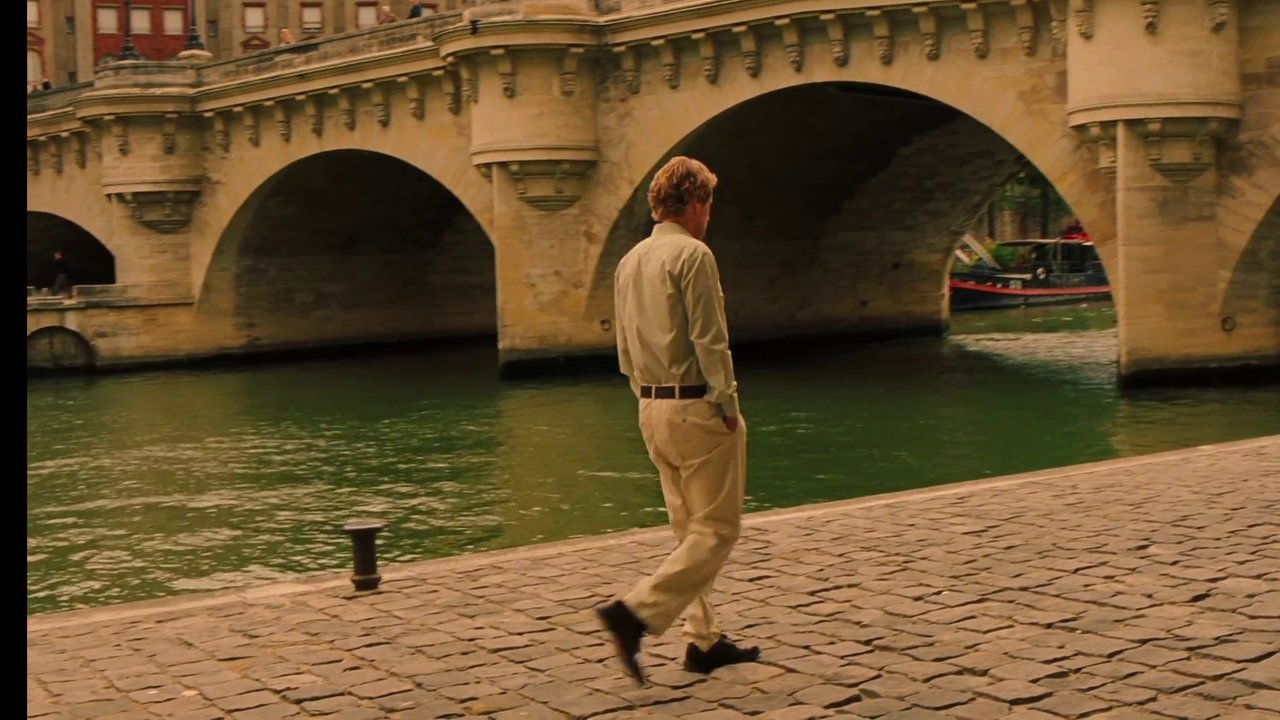
While riding in a car through Paris, Gil Pender seeks advice from Ernest Hemingway about his writing and his fear of mortality. Hemingway delivers a philosophical monologue on how true passion and love are the only defenses against the inevitability of death.

Start a free 7-day trial — 5 downloads a day, unlimited when Pro begins

Rehearse this scene
Rehearse on your terms

Choose your role and voices for the other characters. Run the scene at your own pace.

Scene PreviewExcerpt — subscribe to read full scene

HEMINGWAY

The assignment was to take the hill. There were four of us. Five if you counted Vincente but he had lost his hand when a grenade went off and he couldn’t fight as he could when I first met him.

GIL

Weren’t you scared?

HEMINGWAY

Of what?

GIL

Getting killed.

HEMINGWAY

You’ll never write well if you fear dying. Do you?

End of preview. Continue with Pro below.

7 days freeYour next rehearsal starts here

Found your next scene? Make it yours.

Start your free trial and read Hemingway's Philosophy of Love and Death in full, with access to 1,000+ monologues and scenes to explore next.

  • Read the full scene and explore the library
  • Download your script in a clean, printable format
  • Take it into rehearsal with the Script Reader
Casting Types
Get Feedback
Coming Soon

Want expert coaching on this scene?

Browse our curated list of acting coaches, dialect specialists, and more.

Find a Coach

Need representation?

Browse verified agents and casting directors in our directory.

Scene Notes & Audition Tips

5 sections
About This Scene

This engaging duologue from "Midnight in Paris" features a profound discussion between Gil and Ernest Hemingway, transpiring in a car through the streets of Paris. The scene delves into philosophical territory, exploring themes of love, death, writing, and the essence of human experience. It presents an opportunity for actors to portray deep-seated anxieties and a wise, confident perspective on life's biggest questions.

Character Analysis

Hemingway in this scene is presented as a confident, philosophical mentor figure, embodying a specific brand of masculinity that intertwines bravery with passion. He is direct, unafraid to challenge Gil's fears, and holds strong convictions about the transformative power of love in the face of mortality. Gil, on the other hand, is anxious and somewhat naive, representing the everyman struggling with existential dread and seeking guidance from a perceived master.

Why This Works for Auditions

This scene is highly effective for auditions due to its clear character objectives, distinct emotional arc, and intellectual depth. It allows actors to demonstrate their ability to handle complex dialogue, portray nuanced emotions, and build a dynamic relationship within a short timeframe. The contrast between Hemingway's assured pronouncements and Gil's tentative responses provides rich opportunities for compelling performance.

Best Suited For

This scene is ideally suited for male actors in their 40s to 50s. It's particularly strong for those looking to showcase a commanding, sophisticated, or intensely philosophical presence, as well as actors comfortable playing an 'everyman' struggling with deep personal fears. It is an excellent choice for a drama school audition, an agent showcase, a self-tape submission, or general practice.

Performance Tips

When approaching Hemingway, focus on anchoring his lines with a deep conviction and a sense of lived experience, even in the more poetic declarations. For Gil, lean into his vulnerability and intellectual curiosity, allowing his anxiety to be palpable but also showing his receptiveness to Hemingway's wisdom. Pay close attention to the rhythm of the dialogue, as Woody Allen's writing often has a distinctive cadence that supports the characters' personalities and the scene's overall tone.

Explore this topic