Film
duologue
Drama
Thriller

I could've been a contender

from On the Waterfront

Written by Budd Schulberg

On the Waterfront

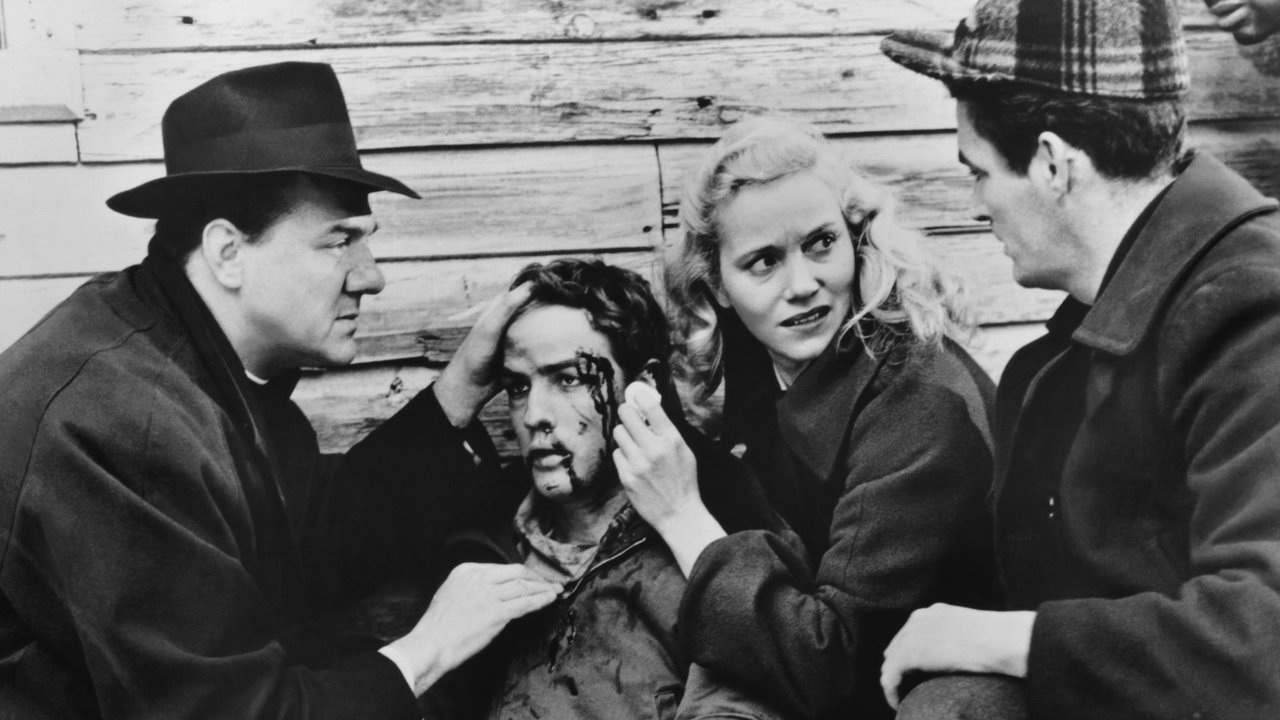
Terry Malloy confronts his brother Charley about the fixed fight that ruined his boxing career and destroyed his self-respect.

Start a free 7-day trial — 5 downloads a day, unlimited when Pro begins

Rehearse this scene
Rehearse on your terms

Choose your role and voices for the other characters. Run the scene at your own pace.

Scene PreviewExcerpt — subscribe to read full scene

CHARLEY

What do you weigh these days, slugger?

TERRY

...eight-seven, eighty-eight. What's it to you?

CHARLEY

Gee, when you tipped one seventy-five you were beautiful. You should've been another Billy Conn. That skunk I got to manage you brought you along too fast.

End of preview. Continue with Pro below.

7 days freeYour next rehearsal starts here

Found your next scene? Make it yours.

Start your free trial and read I could've been a contender in full, with access to 4,000+ monologues and scenes to explore next.

  • Read the full scene and explore the library
  • Download your script in a clean, printable format
  • Take it into rehearsal with the Script Reader
Casting Types
Get Feedback
Coming Soon

Want expert coaching on this scene?

Browse our curated list of acting coaches, dialect specialists, and more.

Find a Coach

Need representation?

Browse verified agents and casting directors in our directory.

Scene Notes & Audition Tips

5 sections
About This Scene

This powerful duologue, from the modern classic film *On the Waterfront*, features brothers Terry and Charley in a raw, emotionally charged confrontation. Terry Malloy, a former boxer, confronts his older brother Charley, who is deeply entrenched in organized crime, about a pivotal fixed fight that derailed Terry's promising career. The scene is a masterclass in regret, resentment, and the complex bonds of brotherhood, revealing the profound impact of betrayal on self-worth. It captures a critical moment where Terry finally voices years of suppressed anger and pain, forcing Charley to face the consequences of his actions.

Character Analysis

Terry is a man grappling with a lifetime of lost potential, carrying the heavy weight of what "could have been." He is fundamentally vulnerable and gritty, a working-class anti-hero whose self-respect was systematically eroded by those he trusted most. Charley, on the other hand, is caught between his loyalty to a criminal enterprise and a flicker of genuine affection for his brother, a conflict that reveals his own complex moral landscape. He projects an initial gentleness that quickly dissolves into defensiveness, hinting at his own burdens and the compromises he has made.

Why This Works for Auditions

This scene offers exceptional material for auditions due to its intense emotional arc and the clear dramatic stakes for both characters. It provides ample opportunity for actors to showcase a broad range of emotions, from simmering resentment to agonized regret and powerful accusation. The dialogue is authentic and visceral, allowing performers to demonstrate their ability to portray deep internal conflict and compelling interpersonal dynamics. Its two-minute duration is also ideal for demonstrating a complete dramatic journey within a standard audition timeframe, making it highly effective for self-tapes, drama school entries, and agent showcases.

Best Suited For

This duologue is exceptionally well-suited for male actors in the 20s-40s age range who can embody intense, gritty, and vulnerable characters. It's particularly effective for those looking to present a working-class sensibility or portray the complexities of an anti-hero. Actors comfortable with exploring themes of betrayal, regret, and fractured familial bonds will find rich material here. It is an excellent choice for a drama school audition, an agent showcase, or any situation where an actor needs to demonstrate a strong command of dramatic material and powerful emotional connection.

Performance Tips

When approaching this scene, actors should focus on the underlying history of the brothers' relationship and the weight of Terry's unspoken pain. Terry's lines aren't just dialogue; they are a release of years of suppressed resentment, so finding that build-up is crucial. For Charley, consider the delicate balance between his defensive posture and any glimmer of underlying guilt or brotherly affection. Both actors should pay close attention to the shifts in power and emotional temperature throughout the scene, allowing the conflict to escalate naturally and authentically, rather than performing an immediate explosion of anger.

Explore this topic