Film
monologue
Drama

I Could've Been a Contender

from Raging Bull

Written by Paul Schrader, Mardik Martin

Raging Bull

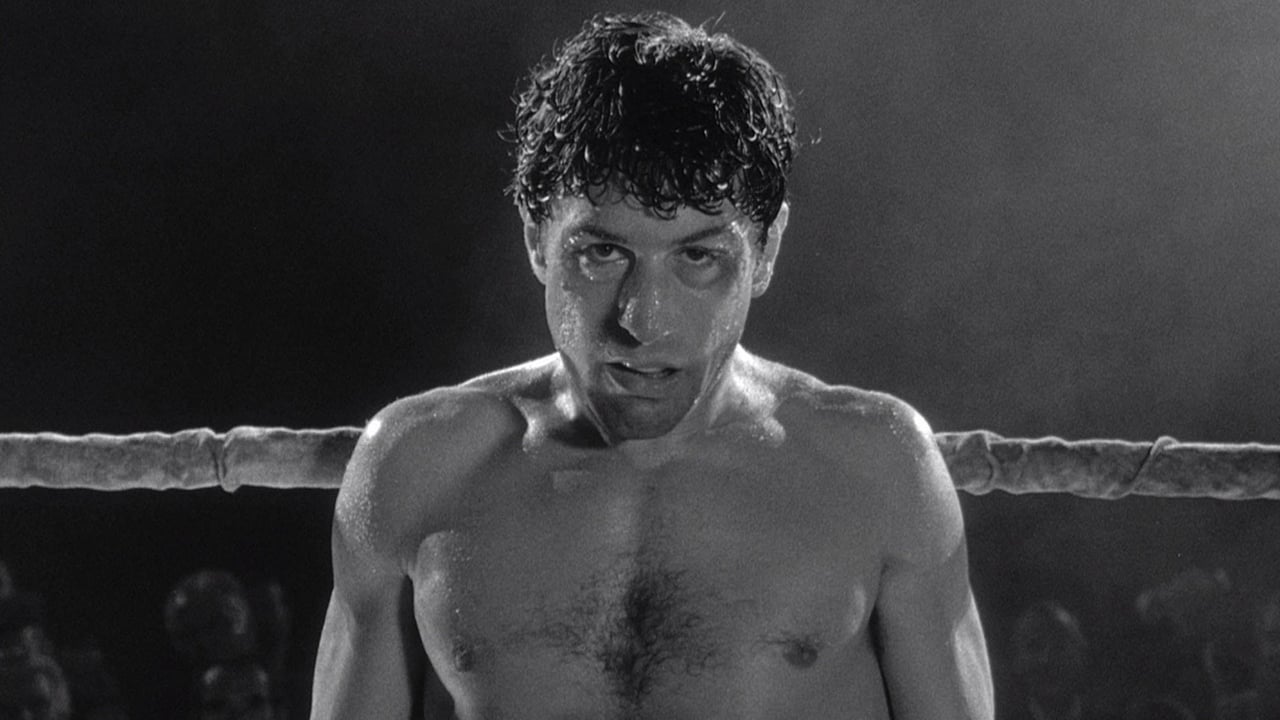
Jake LaMotta reflects on his career and legacy by reciting Terry Malloy's famous 'contender' speech from On the Waterfront in front of a mirror.

Start a free 7-day trial — 5 downloads a day, unlimited when Pro begins

Rehearse on your terms

Take this monologue into rehearsal and work through it at your own pace.

Scene PreviewExcerpt — subscribe to read full scene

JAKE

You know, I'm not a philosopher or anything like that but I been around a little and the way I look at it is -- We're, all of us, lookin' for the same thing: a shot at the title. No matter what you wanta be... you wanta shot at bein' the best. Well, I had mine and it'll always be in the record books... it don't make no difference what happens to me…

End of preview. Continue with Pro below.

7 days freeYour next rehearsal starts here

Found your next scene? Make it yours.

Start your free trial and read I Could've Been a Contender in full, with access to 4,000+ monologues and scenes to explore next.

  • Read the full scene and explore the library
  • Download your script in a clean, printable format
  • Take it into rehearsal with the Script Reader
Casting Types
Get Feedback
Coming Soon

Want expert coaching on this scene?

Browse our curated list of acting coaches, dialect specialists, and more.

Find a Coach

Need representation?

Browse verified agents and casting directors in our directory.

Scene Notes & Audition Tips

5 sections
About This Scene

This powerful monologue from *Raging Bull* features Jake LaMotta in a moment of profound reflection. Alone in a dressing room, Jake grapples with his past, his career, and the choices that shaped his life and legacy. The scene is a meta-commentary, as Jake recites the iconic "contender" speech from *On the Waterfront*, weaving another character's regret into his own narrative of unfulfilled potential and enduring bitterness. It's a raw exploration of what it means to look back on a life marked by both triumph and devastating compromises, revealing the vulnerability beneath a tough exterior.

Character Analysis

Jake LaMotta, a former boxing champion, is presented here as a man haunted by "what ifs." He is in his 40s, wrestling with the twilight of his career and the memory of past glories and betrayals. While known for his aggressive and volatile nature, this monologue showcases a deeply introspective and vulnerable side. Jake's delivery of the "contender" speech isn't just recitation; it's a profound identification with another's pain, layering his own regret and sense of being wronged onto the words. He is a character defined by intensity, a working-class background, and a complex mixture of arrogance and crushing self-awareness.

Why This Works for Auditions

This monologue is an excellent choice for auditions because it demands a wide emotional range within a compact timeframe. It allows an actor to showcase vulnerability, anger, regret, and a powerful internal struggle, all while delivering technically challenging material. The meta-narrative of one character performing another's speech offers a unique opportunity for an actor to demonstrate their ability to portray layers of emotion and intention. Its recognition as an iconic cinematic moment also brings a certain gravitas, making it memorable for casting directors.

Best Suited For

This monologue is particularly well-suited for male actors in the 35-45 age range who are looking to highlight their dramatic prowess. It's ideal for those seeking roles as leading men, anti-heroes, or characters with a gritty, working-class background. The piece works exceptionally well for drama school auditions, agent showcases, or self-tapes where an actor needs to deliver a high-impact, emotionally charged performance. Its themes of broken dreams and legacy make it perfect for demonstrating a deep understanding of character psychology.

Performance Tips

When approaching this monologue, focus on Jake's underlying pain and regret, rather than just the outward anger. Explore the weight of his past decisions and the impact of the perceived betrayal. Pay close attention to the subtle shifts as Jake transitions from his own thoughts into the *On the Waterfront* speech, ensuring there’s a clear but organic connection between his personal narrative and the borrowed words. Emphasize the sense of "could have been" and the deep longing for a different outcome, allowing vulnerability to surface through his gruff exterior for a truly compelling portrayal.

Explore this topic