Skip to content
    Film
    duologue
    Comedy-Drama

    I'm Just a Toy

    from Toy Story

    Written by Joss Whedon, rew Stanton, Joel Cohen, Alec Sokolow

    Toy Story

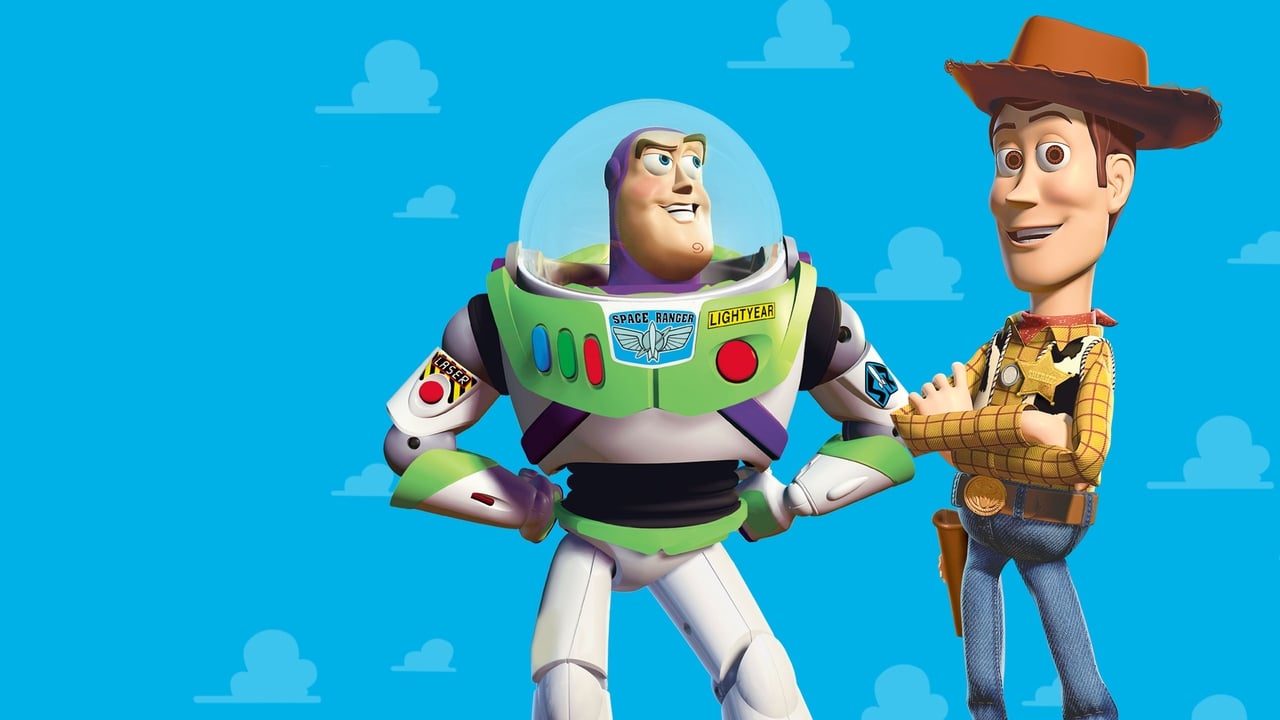
    Trapped in Sid's room, Woody tries to snap Buzz out of an existential crisis after Buzz realizes he is not a real Space Ranger. The two rivals find common ground and mutual respect through their shared love for their owner, Andy.

    Start a free 7-day trial — 5 downloads a day, unlimited when Pro begins

    Rehearse this scene
    Rehearse on your terms

    Choose your role and voices for the other characters. Run the scene at your own pace.

    Scene PreviewExcerpt — subscribe to read full scene

    BUZZ

    You were right all along. I'm not a Space Ranger. I'm just a toy. A stupid little insignificant toy.

    WOODY

    Whoa, hey -- wait a minute. Being a toy is a lot better than being a Space Ranger.

    BUZZ

    Yeah, right.

    WOODY

    No, it is. Look, over in that house is a kid who thinks you are the greatest, and it's not because you're a Space Ranger, pal, it's…

    End of preview. Continue with Pro below.

    7 days freeYour next rehearsal starts here

    Found your next scene? Make it yours.

    Start your free trial and read I'm Just a Toy in full, with access to 5,500+ monologues and scenes to explore next.

    • Read the full scene and explore the library
    • Download your script in a clean, printable format
    • Take it into rehearsal with the Script Reader
    Casting Types
    Get Feedback
    Coming Soon

    Want expert coaching on this scene?

    Browse our curated list of acting coaches, dialect specialists, and more.

    Find a Coach

    Need representation?

    Browse verified agents and casting directors in our directory.

    Scene Notes & Audition Tips

    5 sections
    About This Scene

    This pivotal duologue from "Toy Story" captures a moment of raw vulnerability and dawning friendship between Woody and Buzz Lightyear. Trapped in Sid's ominous room, Buzz is reeling from the devastating realization that he is not a real Space Ranger, but merely a toy. Woody, initially Buzz's rival, steps in to offer an unexpected perspective, trying to pull Buzz out of his existential despair. The scene beautifully articulates themes of identity, purpose, and the profound connection between a child and their beloved playthings, culminating in a nascent mutual respect between the two characters.

    Character Analysis

    Woody, the established leader and "favorite toy," demonstrates surprising empathy and leadership in this scene. He shifts from his usual competitive stance to a supportive, almost paternal role, attempting to uplift a shattered Buzz. His argument is grounded in a deep understanding of a toy's true value – the joy and love it brings to a child. Buzz, on the other hand, is at his lowest point, wrestling with a profound identity crisis. His previous confidence is entirely stripped away, revealing a deeply vulnerable and disillusioned individual. He cycles through denial, self-pity, and finally, a glimmer of hope offered by Woody.

    Why This Works for Auditions

    This scene offers fantastic material for auditions because it demands a wide emotional range within a short period. Actors can showcase vulnerability, desperation, and the process of regaining perspective (for Buzz) or articulate empathy, persuasive charm, and genuine care (for Woody). The grounded, heartfelt nature of the dialogue, despite the animated context, translates perfectly to live-action performances, highlighting an actor's ability to imbue simple truths with profound emotional weight. It's an excellent choice for demonstrating an actor's ability to connect deeply with material and another performer.

    Best Suited For

    This duologue is ideally suited for male actors aged 25-35 who wish to demonstrate their capacity for portraying characters with depth and emotional complexity. It works particularly well for those auditioning for "Everyman," "Vulnerable," or "Best Friend" roles, as it requires genuine warmth and relatability. Its contained emotional arc makes it an excellent option for self-tapes, general practice, and even agent showcases, allowing actors to display both comedic timing and dramatic gravitas without needing extensive physical staging.

    Performance Tips

    For Woody, focus on grounding his arguments in genuine affection for Andy and a lived understanding of a toy's purpose. Avoid playing him as simply arrogant; instead, let his conviction stem from a place of deep emotional intelligence and kindness. For Buzz, lean into the existential dread without becoming overly melodramatic. His realization should feel like a punch to the gut, leading to a quiet, broken resignation rather than loud despair. The core of both performances should be authenticity and finding the shared humanity in their "toy" predicaments, highlighting the profound emotional stakes involved.

    No ratings yet
    Sign in to rate