Skip to content
    Film
    monologue
    Drama
    Comedy-Drama

    It's Easy Being Nuts

    from The Fisher King

    Oscar WinnerGolden Globe

    Written by Richard LaGravenese

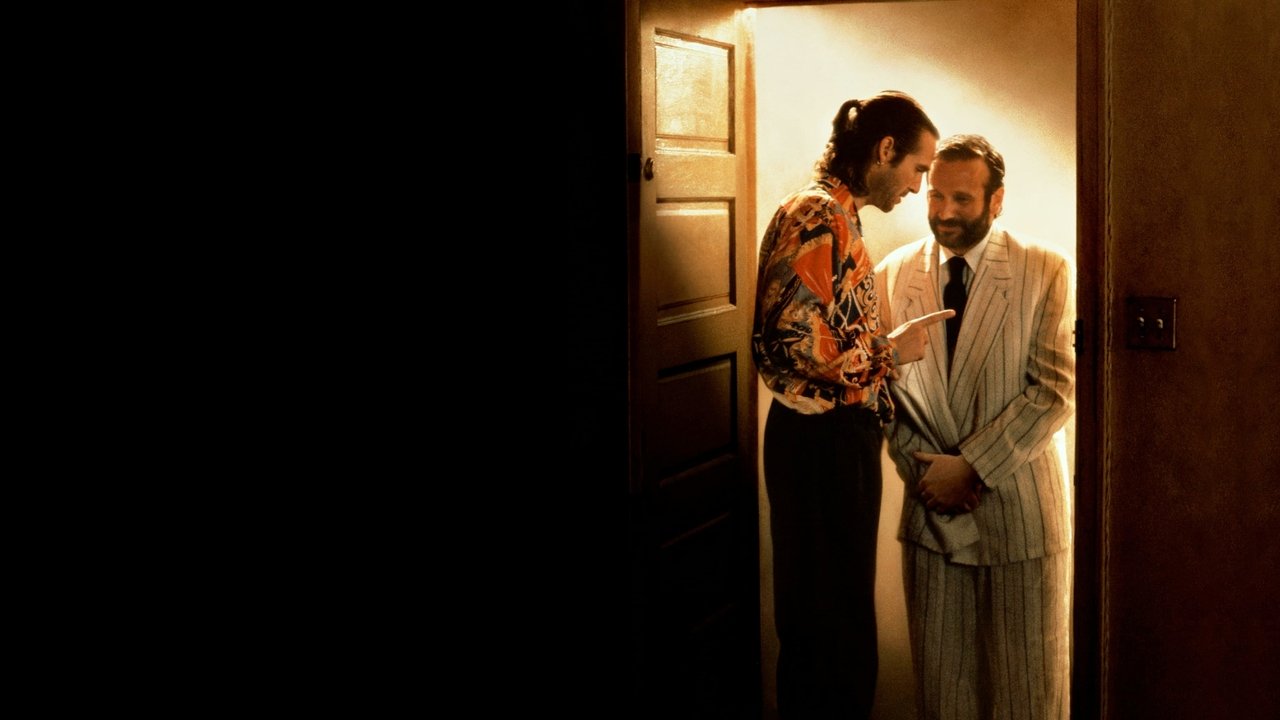
    The Fisher King

    2 min · 1 character · Male · 35-45 (also 25-35, 45-55)

    Jack confronts a comatose Parry in the hospital, desperately trying to deny his guilt and responsibility for the man's tragic condition.

    Start a free 7-day trial — 5 downloads a day, unlimited when Pro begins

    Rehearse on your terms

    Take this monologue into rehearsal and work through it at your own pace.

    Scene PreviewExcerpt — subscribe to read full scene

    JACK

    Hi!... It's Jack... How are you doing?... You look good... You do.

    JACK

    ... Hey... You gonna wake up for me? Huh?...
    End of preview. Continue with Pro below.

    7 days freeYour next rehearsal starts here

    Found your next scene? Make it yours.

    Start your free trial and read It's Easy Being Nuts in full, with access to 8,000+ monologues and scenes to explore next.

    • Read the full scene and explore the library
    • Download your script in a clean, printable format
    • Take it into rehearsal with the Script Reader
    Casting Types
    Get Feedback
    Coming Soon

    Want expert coaching on this scene?

    Browse our curated list of acting coaches, dialect specialists, and more.

    Find a Coach

    Need representation?

    Browse verified agents and casting directors in our directory.

    Scene Notes & Audition Tips

    5 sections
    About This Scene

    Written by Richard LaGravenese for the contemporary dramatic film The Fisher King, this intense two-minute monologue captures a pivotal moment of crisis and denial. Set in a psychiatric hospital ward at night, Jack stands before the bed of Parry, a catatonic and unresponsive patient. What begins as a polite, hesitant attempt at conversation quickly unravels into a raw, public breakdown. Jack desperately tries to reject his feelings of guilt and deny any personal responsibility for Parry's tragic condition, even as his escalating frustration reveals how deeply haunted he truly is.

    Character Analysis

    Jack is an ambitious, troubled man in his thirties to forties who fits the mold of a conflicted anti-hero or flawed leading man. On the surface, he attempts to project confidence, listing his professional achievements and personal milestones as proof of a flourishing life. Beneath that fragile exterior, however, he is consumed by deep-seated guilt, existential emptiness, and fear. His combative defense is not really an attack on Parry, but rather an agonizing attempt to quiet his own conscience and resist an unwanted sense of moral obligation.

    Why This Works for Auditions

    This piece provides a tremendous showcase for dynamic range, taking an actor from forced cheerfulness to full-throttle emotional turmoil within a compact timeframe. Because Jack's partner is entirely silent and unresponsive, the scene places the dramatic conflict entirely on the actor's inner life and subtext. Audition panels and casting directors get to observe how well you can build tension, transition between distinct emotional beats, and reveal deep vulnerability underneath intense aggression.

    Best Suited For

    This monologue is ideally tailored for male actors aged 35 to 45 seeking challenging contemporary dramatic material. It is an excellent selection for self-tapes, drama school auditions, agent showcases, and general practice. Actors who naturally fit casting brackets for leading men, anti-heroes, intense types, or relatable everymen will find this an effective vehicle to display their dramatic weight.

    Performance Tips

    Resist the temptation to play the entire speech at a single volume or level of rage. The scene is far more compelling when you begin with authentic hesitation, allowing the cold silence of the room to visibly trigger Jack's defensiveness. Keep your focus firmly planted on your unresponsive listener, using their stillness as the catalyst for each new justification. Allow the audience to see the cracks in Jack's bravado, ensuring that his claims of happiness are clearly recognized as desperate attempts to self-soothe.

    No ratings yet
    Sign in to rate