Skip to content
    Film
    duologue
    Drama

    Jack Tells Ennis I Wish I Knew How to Quit You

    from Brokeback Mountain

    Written by Larry McMurtry and Diana Ossana

    Brokeback Mountain

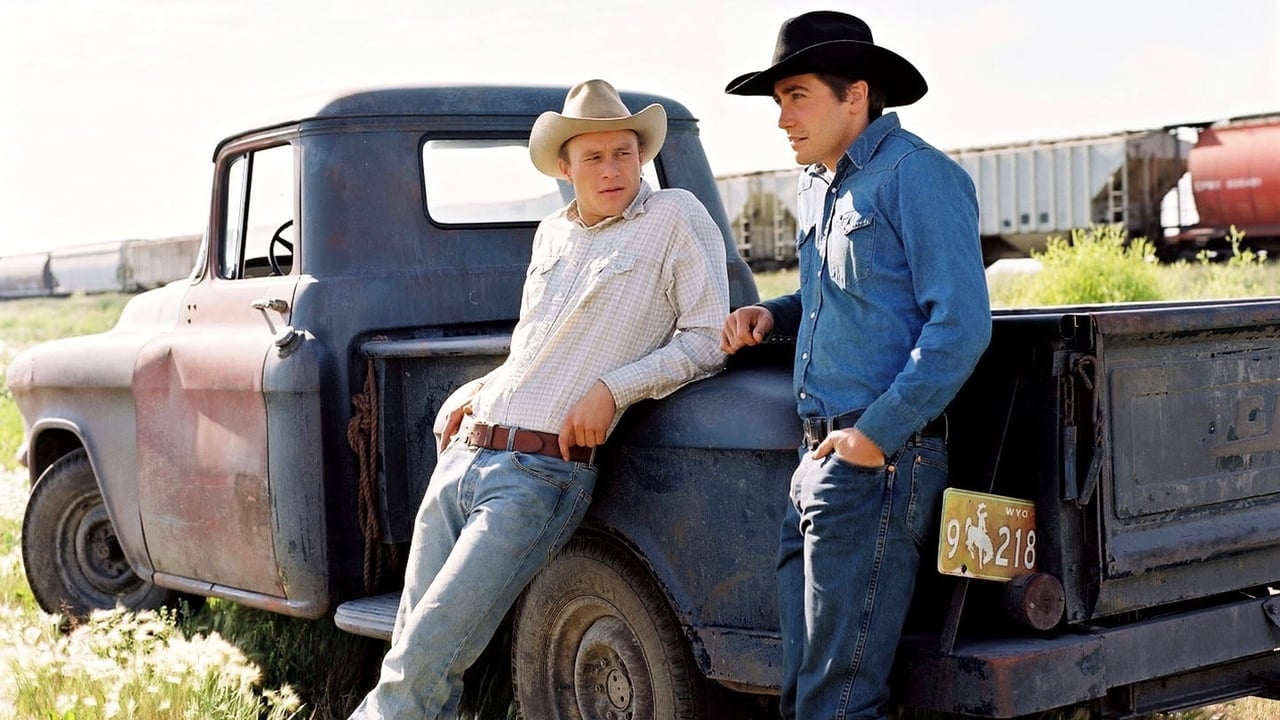
    Jack and Ennis reach a breaking point as the limitations of their secret relationship and Ennis's refusal to build a life together spark a confrontation.

    Start a free 7-day trial — 5 downloads a day, unlimited when Pro begins

    Rehearse this scene
    Rehearse on your terms

    Choose your role and voices for the other characters. Run the scene at your own pace.

    Scene PreviewExcerpt — subscribe to read full scene

    JACK

    Guess I'll head on up to Lightnin' Flat. See the folks for a day or two.

    ENNIS

    Somethin' I been meanin' to tell you, bud. It's likely November before I can get away again, after we ship stock and before the winter feedin' starts.

    JACK

    November? What in hell happened a August? Christ, Ennis, you had a fuckin' week to say some little word about…

    End of preview. Continue with Pro below.

    7 days freeYour next rehearsal starts here

    Found your next scene? Make it yours.

    Start your free trial and read Jack Tells Ennis I Wish I Knew How to Quit You in full, with access to 6,500+ monologues and scenes to explore next.

    • Read the full scene and explore the library
    • Download your script in a clean, printable format
    • Take it into rehearsal with the Script Reader
    Casting Types
    Get Feedback
    Coming Soon

    Want expert coaching on this scene?

    Browse our curated list of acting coaches, dialect specialists, and more.

    Find a Coach

    Need representation?

    Browse verified agents and casting directors in our directory.

    Scene Notes & Audition Tips

    5 sections
    About This Scene

    Adapted by screenwriters Larry McMurtry and Diana Ossana, this powerful dramatic duologue captures a climactic confrontation between Jack and Ennis at an isolated trailhead. As they pack up their gear after an infrequent reunion, Ennis reveals that work commitments and financial pressures will delay their next meeting by several months. This sudden postponement shatters Jack’s remaining patience, exposing the deep fractures caused by years of secrecy, limited time, and unfulfilled hopes. The emotional stakes are immense, as both men are forced to reckon with the agonizing constraints governing their hidden connection.

    Character Analysis

    Jack is vocal, emotionally exhausted, and desperate for a shared life that Ennis refuses to contemplate. His anger stems from an aching grief over years lost to brief encounters, driving him to confront the painful reality of their arrangement. Ennis, by contrast, is deeply repressed, practical, and protective of his survival in a hostile world. Bound by financial duties like child support and an ingrained instinct to hide, Ennis uses deflecting humor and quiet stoicism to avoid facing the impossible demands of Jack's yearning.

    Why This Works for Auditions

    This piece provides exceptional material for two actors seeking to demonstrate profound emotional stakes without resorting to melodrama. The dialogue is grounded and lean, requiring performers to communicate decades of shared history, longing, and resentment beneath seemingly simple exchanges about work schedules and seasons. Casting directors and panels can immediately assess an actor’s ability to handle subtext, vocal restraint, and raw vulnerability within a grounded, naturalistic framework.

    Best Suited For

    The scene is ideal for actors playing ages twenty-five to thirty-five who fit leading, working-class, outsider, or emotionally intense casting types. It serves brilliantly as a dramatic showcase piece, a competitive drama school audition selection, or a compelling paired self-tape that highlights dramatic range.

    Performance Tips

    Keep the physical life of the scene active and authentic rather than standing still to deliver emotional dialogue. Ground Ennis's defensive reticence in genuine fear and responsibility, avoiding making him cold or dismissive. For Jack, allow the hurt underneath the bitter sarcasm to drive the escalation rather than playing pure hostility. Value the pauses and silences between lines, as much of the heartbreak lives in what remains unspoken.

    No ratings yet
    Sign in to rate