ORDELL: Look, I ain't gonna lie to you, man. I'm scared of dyin'. But I ain't scared of killin'. There's a difference. See, when you're scared of dyin', you're scared of what's gonna happen to you. When you ain't scared of killin', you're scared of what you're gonna do to somebody else. And that's a whole different ballgame. I ain't got no problem with…
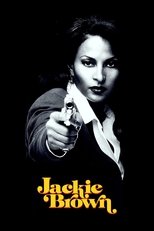
Jackie Brown - Ordell's Philosophy on Life and Death — Jackie Brown
Ordell explains his cold-blooded philosophy on survival and the distinction between the fear of dying and the lack of fear regarding killing. He asserts his dominance and justifies his lethal methods as a necessary means of self-preservation in the criminal underworld.
Format: Monologue · Genre: crime · Source: Jackie Brown · Author: Quentin Tarantino · Characters: Ordell, Louis
About This Scene
This monologue features Ordell, a hardened criminal, as he lays bare his ruthless philosophy to Louis. His explanation delves into the stark distinction he makes between fearing death and having no compunction about inflicting it upon others. Through this, Ordell is not only justifying his violent actions but also firmly asserting his dominance and control within his dangerous world.
Character Analysis
Ordell is a figure defined by self-preservation and a pragmatic, cold-blooded approach to survival. He operates from a place of intense experience within the criminal underworld, where vulnerability is a luxury he cannot afford. His underlying fear of dying drives his aggressive stance, manifesting as a complete lack of hesitation when it comes to lethal force against those who might threaten him. This character is complex, balancing a foundational fear with an absolute, terrifying mastery over his environment.
Why This Works for Auditions
This monologue is excellent for auditions because it offers a sustained opportunity to showcase intensity, strategic thinking, and a powerful command of the scene. Actors can explore a wide range of subtext, from the barely suppressed fear that fuels Ordell's bravado to the calculated intimidation he projects. Its contemporary setting and direct address make it highly adaptable for various casting scenarios, allowing the actor to truly own the space and command attention.
Best Suited For
This scene is ideally suited for male actors in their 40s to 50s who can embody a menacing and pragmatic demeanor. It's particularly effective for those being cast as criminals, villains, or anti-heroes, or who need to demonstrate an ability to play intense and authoritative figures. The monologue's themes of survival and power make it a strong choice for actors looking to showcase an unwavering presence.
Performance Tips
When performing this monologue, focus on the stillness and control that underlies Ordell's words. His philosophy is deeply ingrained, so avoid playing him as overly agitated or explosive. Instead, let the threat and conviction emanate from a place of quiet, brutal certainty. Explore the contrast between his stated belief and the subtle hints of the fear he denies, allowing these layers to enrich the character's complexity and make him truly compelling.