Film
monologue
Drama
Comedy-Drama

Jake's Stand-up Routine (Part 1)

from Raging Bull

Written by Paul Schrader, Mardik Martin

Raging Bull

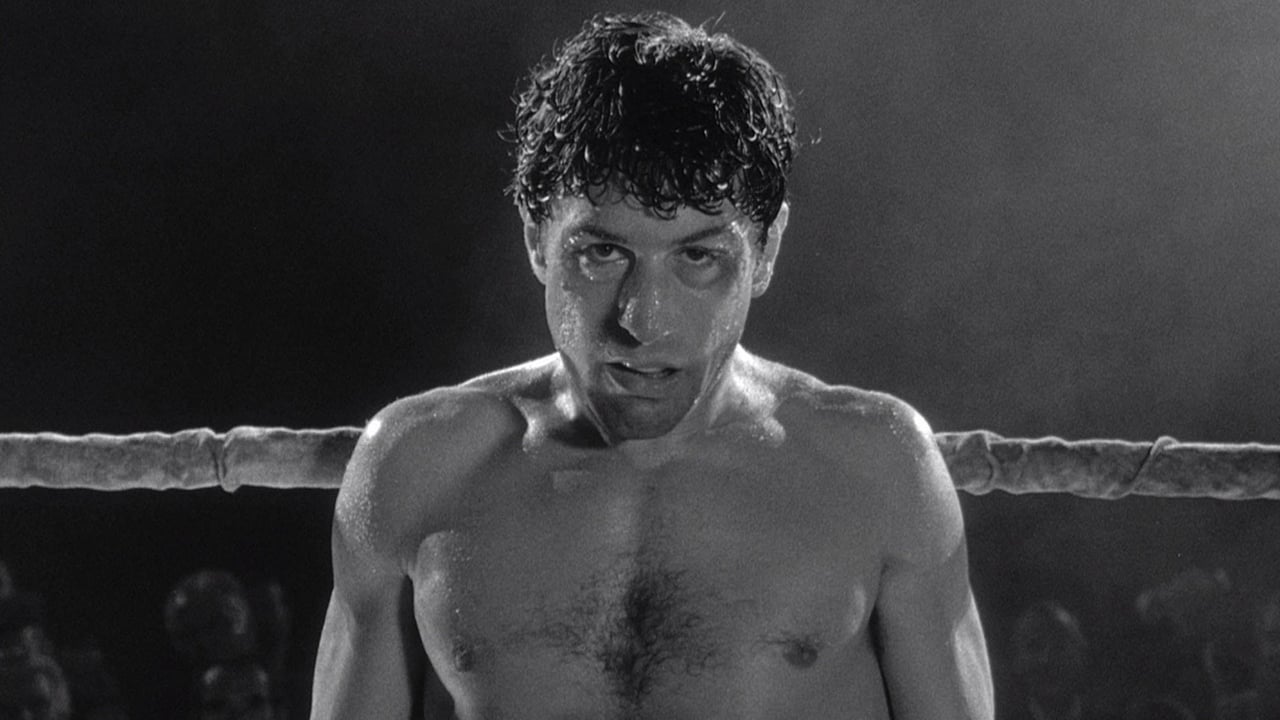
Former boxing champion Jake LaMotta performs a self-deprecating stand-up comedy set, reflecting on his career, his luck, and his volatile marriage.

Start a free 7-day trial — 5 downloads a day, unlimited when Pro begins

Rehearse on your terms

Take this monologue into rehearsal and work through it at your own pace.

Scene PreviewExcerpt — subscribe to read full scene

JAKE

Good evening, ladies and gentlemen. It's a thrill to be standin' here talking to you wonderful people. In fact, it's a thrill to be standin'. I haven't seen so many people since my last fight at Madison Square Garden. After that fight a reporter asked me, "Jake, where do you go from here?" I said, "To a hospital."

End of preview. Continue with Pro below.

7 days freeYour next rehearsal starts here

Found your next scene? Make it yours.

Start your free trial and read Jake's Stand-up Routine (Part 1) in full, with access to 4,000+ monologues and scenes to explore next.

  • Read the full scene and explore the library
  • Download your script in a clean, printable format
  • Take it into rehearsal with the Script Reader
Casting Types
Get Feedback
Coming Soon

Want expert coaching on this scene?

Browse our curated list of acting coaches, dialect specialists, and more.

Find a Coach

Need representation?

Browse verified agents and casting directors in our directory.

Scene Notes & Audition Tips

5 sections
About This Scene

This powerful monologue features Jake LaMotta, a former boxing champion, delivering a stand-up comedy routine that is both self-deprecating and deeply revealing. The scene captures Jake in a later stage of his life, reflecting on his past glories, personal struggles, and volatile marriage with a raw, unfiltered honesty. It delves into themes of regret, the fleeting nature of fame, and the complex relationship between a public persona and private pain, all while trying to engage a somewhat indifferent audience.

Character Analysis

Jake is presented as an anti-hero, a character actor embodying grit and intense emotional complexity. He carries the weight of his past as a boxer, his identity still heavily tied to the ring despite his current comedic endeavor. His humor is dark and laced with bitterness, hinting at unresolved issues, particularly regarding his marriage and the violence that permeated his life. Beneath the bravado and forced laughs, there's a profound sense of loneliness and a yearning for connection or perhaps just acknowledgement.

Why This Works for Auditions

"Jake's Stand-up Routine (Part 1)" is an excellent choice for auditions because it offers a wide emotional range within a single monologue. Actors can showcase their ability to navigate shifts between humor, self-pity, anger, and vulnerability, often in quick succession. The monologue demands strong stage presence and the ability to command an imaginary audience, demonstrating an actor's capacity for sustained performance and nuanced character portrayal. It’s a compelling piece that highlights an actor’s depth and intensity.

Best Suited For

This monologue is particularly well-suited for male actors aged 25-35 who possess a gritty quality or are cast as an anti-hero. Its contemporary period makes it accessible, while the dramatic genre allows for a powerful emotional display. It is an ideal piece for drama school auditions, agent showcases, and self-tapes where a compelling and complex character study is required. Actors comfortable with portraying intense, working-class archetypes will find this piece especially rewarding.

Performance Tips

When performing this monologue, focus on the subtext beneath Jake's comedic delivery. The humor is often a defense mechanism or a way to deflect from deeper pain, so explore the tension between what he says and what he truly feels. Pay close attention to pacing, allowing moments of vulnerability to land amidst the attempts at humor. Imagine the specific reactions of the audience you are addressing, letting their imagined responses influence Jake's energy and choices, deepening the portrayal of his struggle for connection.

Explore this topic