Skip to content
    Play
    duologue
    Drama

    John Tells Julie How He Loved Her as a Boy

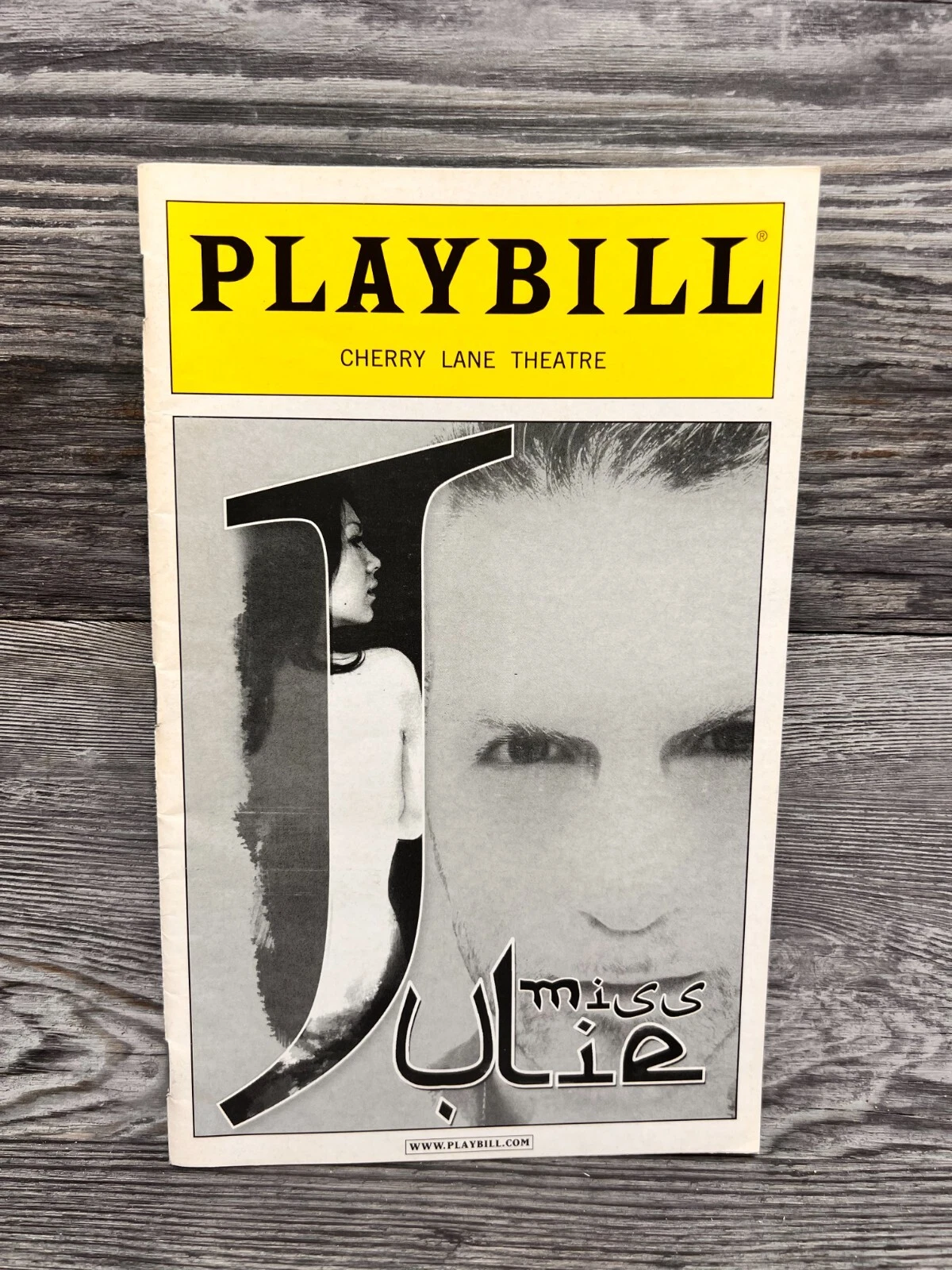
    from Miss Julie

    Written by August Strindberg

    John Tells Julie How He Loved Her as a Boy from Miss Julie — audition scene

    3 min · 2 characters · Any gender · 25-35

    John recounts a childhood memory of trespassing on the Count's estate to catch a glimpse of Julie, highlighting the painful divide between their social

    Start a free 7-day trial — 5 downloads a day, unlimited when Pro begins

    Rehearse this scene
    Rehearse on your terms

    Choose your role and voices for the other characters. Run the scene at your own pace.

    Scene PreviewExcerpt — subscribe to read full scene

    JULIE

    Who was it?

    JOHN

    You can't compel me to tell you.

    JULIE

    If I ask you as an equal, as a friend? Who was it?

    JOHN

    You!

    JULIE

    How funny!
    End of preview. Continue with Pro below.

    7 days freeYour next rehearsal starts here

    Found your next scene? Make it yours.

    Start your free trial and read John Tells Julie How He Loved Her as a Boy in full, with access to 7,500+ monologues and scenes to explore next.

    • Read the full scene and explore the library
    • Download your script in a clean, printable format
    • Take it into rehearsal with the Script Reader
    Casting Types
    Get Feedback
    Coming Soon

    Want expert coaching on this scene?

    Browse our curated list of acting coaches, dialect specialists, and more.

    Find a Coach

    Need representation?

    Browse verified agents and casting directors in our directory.

    Scene Notes & Audition Tips

    5 sections
    About This Scene

    Written by August Strindberg, this classical drama duologue captures an intimate and emotionally charged exchange between John and Julie. Julie presses John to reveal an unspoken truth, prompting him to share a vivid childhood memory of growing up in poverty alongside the Count's walled estate. As John recounts trespassing into the grounds to catch a glimpse of Julie, the conversation exposes the painful chasm between their social worlds and the origins of his complex obsession.

    Character Analysis

    John embodies a sharp mix of vulnerability, social resentment, and romantic longing as he recalls the destitution of his youth and his early awe of the aristocracy. His storytelling reveals an ambitious desire for personal elevation coupled with a defensive wariness of being looked down upon by the woman he watched from afar. Julie serves as an intrigued yet socially insulated listener, positioned within the security of inherited privilege where she struggles to comprehend the sheer scale of the deprivation John experienced.

    Why This Works for Auditions

    This scene functions exceptionally well as an audition duologue because it balances descriptive storytelling with immediate, reactive interpersonal tension. Both actors are given distinct objectives and shifting psychological footing, moving fluidly between nostalgic recollection, class friction, and subtle attraction. The material demands strong subtext and active listening, allowing performers to demonstrate emotional range, restraint, and the ability to bring historical narrative imagery to life.

    Best Suited For

    Running approximately three minutes, the duologue is well suited for drama school auditions, agent showcases, and advanced scene study practice. It offers compelling material for actors within the twenty-five to thirty-five age bracket who fit casting types such as Leading Lady, Leading Man, Anti-Hero, or characters marked by strong working-class and upper-class distinctions. The piece provides an excellent vehicle for showcasing classical text work grounded in psychological realism.

    Performance Tips

    Performers should avoid treating John's monologue as a purely sentimental recollection, focusing instead on how he uses the story to provoke, test, and draw Julie closer. John must anchor his descriptions in clear sensory imagery so the stark contrast between his childhood home and the estate feels immediate and palpable. For Julie, the scene requires dynamic, invested listening, ensuring that every shift in John's status and tone prompts a visible internal shift in her own sense of control.

    No ratings yet
    Sign in to rate