
Skip to content
    Film
    monologue
    Drama

    John Tuld's 'Be First, Be Smarter, or Cheat' Monologue

    from Margin Call

    Written by J.C. Chandor

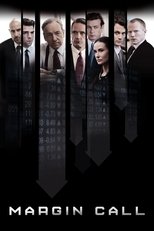
    Margin Call

    2 min · 2 characters · Any gender · 55+

    A powerful CEO realizes the financial market is about to collapse and decides to be the first to sell off toxic assets to save the firm.

    Start a free 7-day trial — 5 downloads a day, unlimited when Pro begins

    Rehearse on your terms

    Take this monologue into rehearsal and work through it at your own pace.

    Scene PreviewExcerpt — subscribe to read full scene

    JOHN TULD

    Well let me tell you something Mr. Sullivan. Do you want to know why I’m sitting here in this chair with you all, why I get the big bucks, so to speak?

    PETER

    Yes.

    JOHN TULD

    I’m here for one reason and one reason only. I’m here to guess what the music is gonna do a week, month, a year from now. That’s it, nothing more. And I’m afraid, standing…

    End of preview. Continue with Pro below.

    7 days freeYour next rehearsal starts here

    Found your next scene? Make it yours.

    Start your free trial and read John Tuld's 'Be First, Be Smarter, or Cheat' Monologue in full, with access to 9,000+ monologues and scenes to explore next.

    • Read the full scene and explore the library
    • Download your script in a clean, printable format
    • Take it into rehearsal with the Script Reader
    Casting Types
    Get Feedback
    Coming Soon

    Want expert coaching on this scene?

    Browse our curated list of acting coaches, dialect specialists, and more.

    Find a Coach

    Need representation?

    Browse verified agents and casting directors in our directory.

    Scene Notes & Audition Tips

    5 sections
    About This Scene

    Written by J.C. Chandor for the contemporary drama Margin Call, this monologue takes place during an urgent, late-night executive board meeting at a premier Wall Street investment bank. Standing before junior analyst Peter Sullivan and senior leadership, chief executive John Tuld assesses the catastrophic financial collapse facing the market. Rather than succumbing to panic, Tuld coolly articulates his fundamental philosophy on survival in high finance, making the ruthless decision to liquidate the firm's toxic assets before competitors grasp the scale of the impending disaster.

    Character Analysis

    John Tuld is an elite business executive and supreme corporate authority figure who operates at the apex of global finance. Tuld is neither frantic nor apologetic about the harsh realities of capitalism, projecting a relaxed, sophisticated confidence that masks an predatory survival instinct. Because Tuld views the market through a lens of pragmatic self-preservation rather than moral sentimentality, the character commands respect through plainspoken clarity, strategic detachment, and an unshakeable belief in decisive action.

    Why This Works for Auditions

    This monologue provides mature actors with an exceptional vehicle to display understated power and executive status without resorting to melodrama or shouting. Chandor’s dialogue allows an actor to control the room through pregnant pauses, conversational shifts in tone, and an intimate delivery that draws the listener in. It serves as an impressive test of an actor's ability to hold space, communicate deep institutional authority, and reveal the icy pragmatism driving high-stakes corporate decisions.

    Best Suited For

    This contemporary piece is best suited for actors aged 55 and older who naturally fit authority figure, business executive, or intense patriarch casting types. Its self-contained narrative arc and conversational directness make it an outstanding choice for self-tape submissions, agent showcases, and general drama class practice.

    Performance Tips

    Resist any urge to push artificial anger or villainous intent; true institutional power is casual, calm, and completely relaxed. Anchor your energy in the space, taking full advantage of the beats of silence to let your scene partners absorb the gravity of the crisis. Chart the distinct shift between the wistful, reflective observation of the wider market and the sudden, upbeat pivot into tactical problem-solving. Keep your voice grounded and conversational, allowing the cold logic of the decision to supply the scene's inherent menace and momentum.

    No ratings yet
    Sign in to rate