Skip to content
    Film
    duologue
    Comedy-Drama

    Jon Tells Wendy Dad Has to Go in a Nursing Home

    from The Savages

    Written by Tamara Jenkins

    The Savages

    2 min · 2 characters · Any gender · 35-45

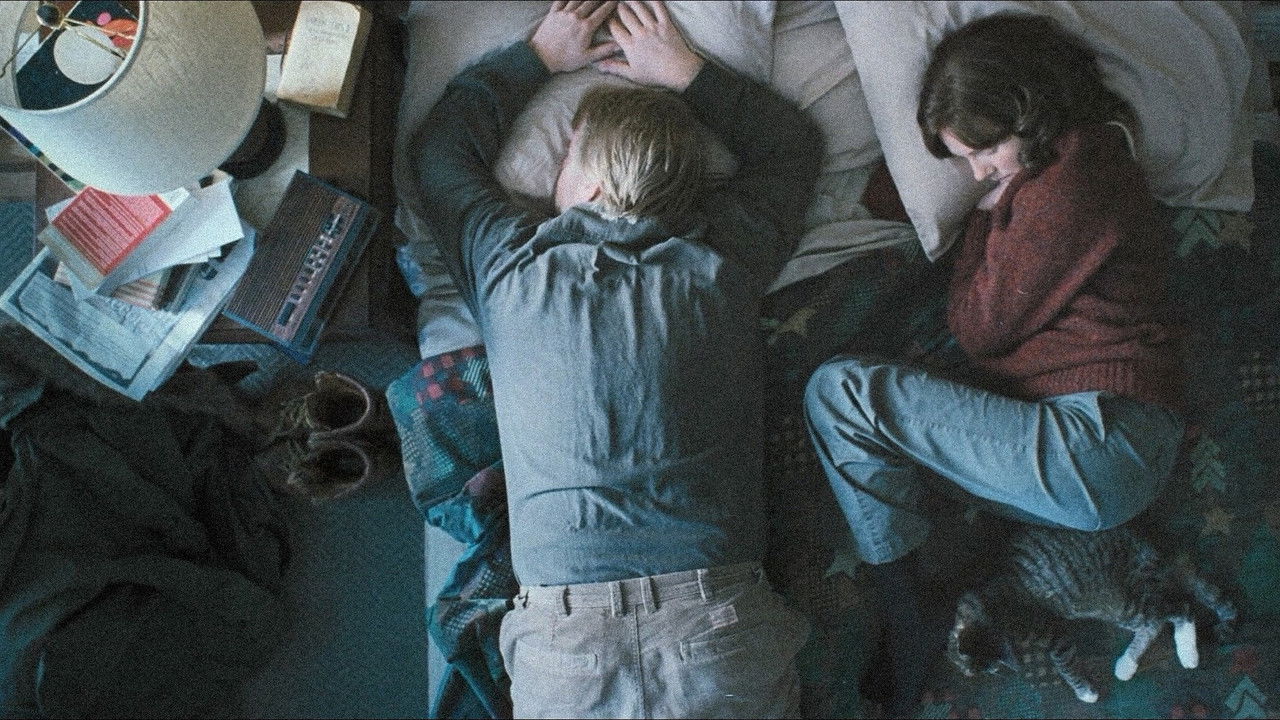
    Estranged siblings Wendy and Jon argue over the grim reality of placing their ailing father in a nursing home while dealing with their own guilt.

    Start a free 7-day trial — 5 downloads a day, unlimited when Pro begins

    Rehearse this scene
    Rehearse on your terms

    Choose your role and voices for the other characters. Run the scene at your own pace.

    Scene PreviewExcerpt — subscribe to read full scene

    WENDY

    Maybe Dad didn’t abandon us. Maybe he just forgot who we were.

    JON

    I’m going to give Brian Deener a call.

    WENDY

    Who’s that?

    JON

    A friend of mine. Teaches in the English Department. He just put his mother in a nursing home near campus.

    WENDY

    A nursing home?

    End of preview. Continue with Pro below.

    7 days freeYour next rehearsal starts here

    Found your next scene? Make it yours.

    Start your free trial and read Jon Tells Wendy Dad Has to Go in a Nursing Home in full, with access to 7,500+ monologues and scenes to explore next.

    • Read the full scene and explore the library
    • Download your script in a clean, printable format
    • Take it into rehearsal with the Script Reader
    Casting Types
    Get Feedback
    Coming Soon

    Want expert coaching on this scene?

    Browse our curated list of acting coaches, dialect specialists, and more.

    Find a Coach

    Need representation?

    Browse verified agents and casting directors in our directory.

    Scene Notes & Audition Tips

    5 sections
    About This Scene

    Written by Tamara Jenkins for the contemporary comedy-drama film The Savages, this two-minute duologue captures estranged adult siblings facing the painful realities of an ailing parent. Sitting in a hotel lounge perusing medical pamphlets, Wendy and Jon confront their father's physical decline and debate whether to place him in a nursing home. The scene balances dark situational humor with genuine vulnerability as both characters grapple with guilt, financial constraints, and mutual childhood baggage.

    Character Analysis

    Wendy approaches the crisis through emotional rationalization and subtle denial, deflecting practical logistics because she struggles to accept her father's true condition. Her resistance to the nursing home idea stems from a desire to rewrite family history and avoid the finality of institutional care. Jon acts as the pragmatic realist, pushing past sentimentality to address the immediate burdens of medical care, incontinence, and affordability. Although he presents a blunt and exasperated front, his anxiety surfaces in his desperate need to ensure he and his sister share the moral weight of their decision.

    Why This Works for Auditions

    This scene offers actors an exceptional showcase for grounded, naturalistic dialogue underpinned by deep subtext. The conflict avoids loud melodrama, focusing instead on the quiet, messy frictions that define family relationships in moments of crisis. Both roles are equally weighted, giving performers the chance to play overlapping conversational rhythms, passive-aggressive deflections, and the specific intimacy shared by siblings who instinctively know how to unsettle one another.

    Best Suited For

    This piece is ideal for actors playing ages thirty-five to forty-five who fit casting types such as Everyman, Girl Next Door, Vulnerable, Intense, or Working Class. Its compact narrative arc and conversational tone make it especially effective for self-tape submissions, agent showcases, and general scene study practice.

    Performance Tips

    Resist playing the dialogue as an explosive shouting match, especially given the public setting of a quiet hotel bar. The tension is far more compelling when the characters suppress their distress, dropping their voices to avoid drawing the attention of nearby patrons. Use physical actions, such as handling drinks or reading pamphlets, to ground the characters in their discomfort. Most importantly, lean into the shared familial shorthand, allowing long-standing resentments and unspoken dependencies to inform every beat of the debate.

    No ratings yet
    Sign in to rate