
Skip to content
    Film
    monologue
    Drama

    Julieta's Final Statement

    from Belén

    Written by Laura Paredes - Dolores Fonzi

    Belén

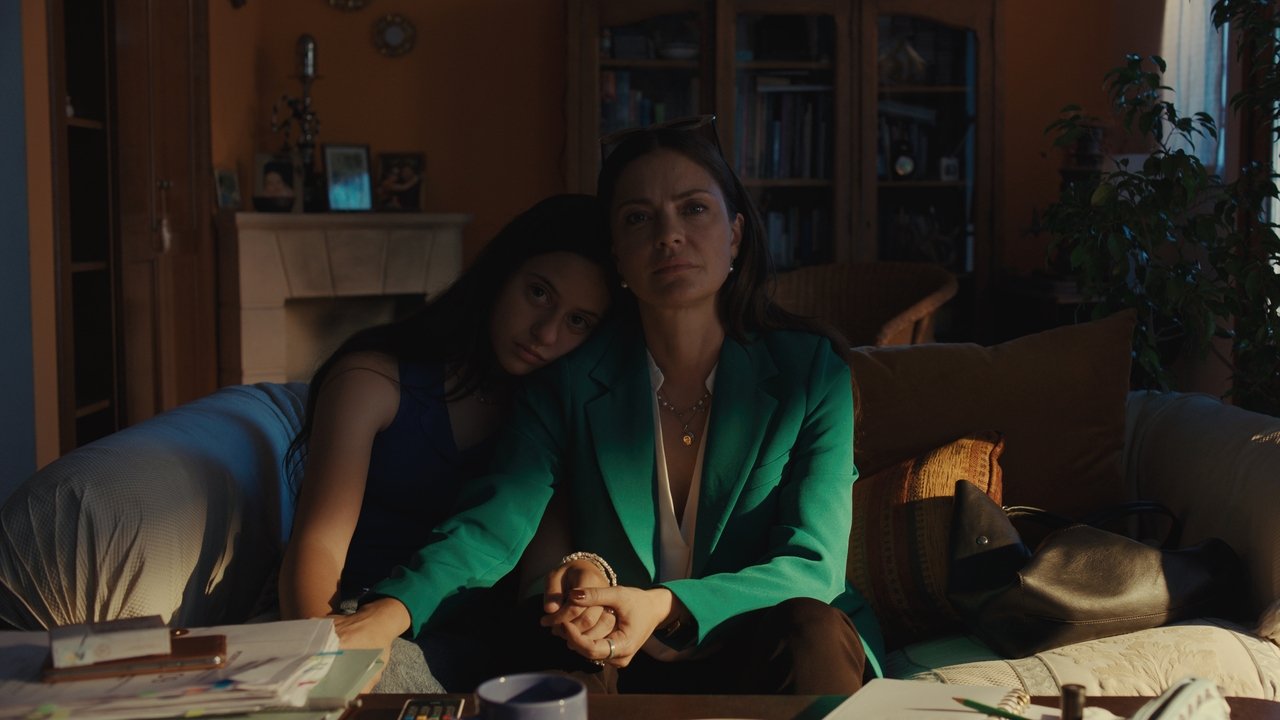
    Julieta recounts the traumatic experience of seeking medical help for pain only to be accused of a crime after suffering a miscarriage.

    Start a free 7-day trial — 5 downloads a day, unlimited when Pro begins

    Rehearse on your terms

    Take this monologue into rehearsal and work through it at your own pace.

    Scene PreviewExcerpt — subscribe to read full scene

    JULIETA

    My name is Julieta Gómez, I had peritonitis a few months ago... when I arrived at the hospital with my mom, we thought I had some complications. The doctor I saw also believed that, otherwise they would not have given me an IV to treat me. They didn’t even examine me, nothing. The pain was so bad that it made me want to go to the bathroom. In the…


    End of preview. Continue with Pro below.

    7 days freeYour next rehearsal starts here

    Found your next scene? Make it yours.

    Start your free trial and read Julieta's Final Statement in full, with access to 6,000+ monologues and scenes to explore next.

    • Read the full scene and explore the library
    • Download your script in a clean, printable format
    • Take it into rehearsal with the Script Reader
    Casting Types
    Get Feedback
    Coming Soon

    Want expert coaching on this scene?

    Browse our curated list of acting coaches, dialect specialists, and more.

    Find a Coach

    Need representation?

    Browse verified agents and casting directors in our directory.

    Scene Notes & Audition Tips

    5 sections
    About This Scene

    Written by Laura Paredes and Dolores Fonzi for the contemporary drama film Belén, this dramatic monologue captures a harrowing moment of personal and legal testimony. Julieta recounts the traumatic ordeal of seeking emergency medical care for severe abdominal pain, only to suffer an unexpected miscarriage and wake up surrounded by police officers who accuse her of a crime. Dealing with themes of medical neglect, systemic injustice, and suppressed grief, the piece offers a powerful glimpse into a life suddenly derailed.

    Character Analysis

    Julieta is a twenty-four-year-old working-class woman thrust into an incomprehensible nightmare by the very institutions meant to help her. Her demeanor is profoundly vulnerable, grounded in the simple, undeniable reality of what happened to her body. Underneath her confusion and fear lies a quiet, dignified conviction; she knows she has done nothing wrong. She carries the weight of a sudden loss she was never permitted to properly mourn, making her defense an act of personal survival.

    Why This Works for Auditions

    Timing out at approximately two minutes, this speech serves as an exceptional showcase for an actor's capacity for emotional restraint and clear narrative structure. The writing relies on a factual recounting rather than grand melodrama, requiring the performer to build genuine tension through specific sensory recollections. Casting directors and auditors can immediately evaluate your ability to handle intense, mature subject matter with subtlety, precision, and unforced authenticity.

    Best Suited For

    This contemporary dramatic monologue is ideally suited for female actors aged 18 to 25 who align with leading lady, intense, or everyman casting profiles. It is an excellent selection for drama school auditions, self-tape submissions, agent showcases, and acting competitions where an honest, high-stakes dramatic piece is requested.

    Performance Tips

    Fight the urge to start the monologue from a place of defeat or heightened hysteria. Ground yourself in the clinical facts of the timeline, allowing the audience to clearly track your journey from the initial physical pain to the sudden shock of arrest. Use the built-in pauses to let the weight of your circumstances land, keeping your eye focus steady and personal. Remember that Julieta's core objective is to state the truth and demand to be seen as a human being who deserved care, not criminalization.

    No ratings yet
    Sign in to rate