
Skip to content
    Film
    duologue
    Drama

    Kelley Asks Goring How It Was Possible

    from Nuremberg

    Written by James Vanderbilt

    Nuremberg

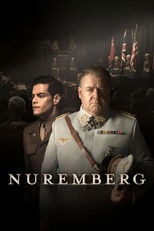
    An American interrogator confronts a high-ranking Nazi official about the atrocities of the Holocaust, leading to a heated debate on morality and legacy.

    Start a free 7-day trial — 5 downloads a day, unlimited when Pro begins

    Rehearse this scene
    Rehearse on your terms

    Choose your role and voices for the other characters. Run the scene at your own pace.

    Scene PreviewExcerpt — subscribe to read full scene

    KELLEY

    How is that possible? What we saw today, how is it possible?

    GORING

    Himmler-

    KELLEY

    Himmler wasn't second-in-command, you were. Twelve hundred camps. What am I supposed to believe, that you didn't know?

    GORING

    Film is a very powerful medium, we used it to great effect ourselves. Anyone can fake an atrocity-

    KELLEY

    So the film was a fake, that's…

    End of preview. Continue with Pro below.

    7 days freeYour next rehearsal starts here

    Found your next scene? Make it yours.

    Start your free trial and read Kelley Asks Goring How It Was Possible in full, with access to 6,500+ monologues and scenes to explore next.

    • Read the full scene and explore the library
    • Download your script in a clean, printable format
    • Take it into rehearsal with the Script Reader
    Casting Types
    Get Feedback
    Coming Soon

    Want expert coaching on this scene?

    Browse our curated list of acting coaches, dialect specialists, and more.

    Find a Coach

    Need representation?

    Browse verified agents and casting directors in our directory.

    Scene Notes & Audition Tips

    5 sections
    About This Scene

    Drawn from the drama Nuremberg, written by James Vanderbilt, this intense two-person scene unfolds within the claustrophobic confines of a prison cell. An American interrogator, Kelley, directly confronts a high-ranking official, Goring, about the horrifying evidence of war crimes and mass atrocities. What begins as a desperate search for impossible explanations rapidly shifts into an electrifying battle over morality, war, and historical legacy, exposing the raw nerve endings of both characters.

    Character Analysis

    Kelley represents an authority figure pushed to the brink by the incomprehensible scale of deliberate human slaughter, balancing professional responsibility with deep moral revulsion. Goring, meanwhile, embodies an unyielding and cunning antagonist who deflects direct accountability through sharp counterattacks, cynical rationalizations, and bitter accusations of hypocrisy. The dynamic relies on two formidable personalities locking horns, neither willing to concede ground as they debate the nature of victory, culpability, and truth.

    Why This Works for Auditions

    This piece offers a compelling study in dramatic conflict where the tension relies completely on high stakes, active listening, and subtext. Because the dialogue is so fiercely contested, industry professionals can immediately assess an actor's vocal control, focus, and ability to handle weighty historical drama without falling into melodrama. It provides both performers with substantial, elevated material that highlights commanding presence and the maturity required for prestigious television and feature film roles.

    Best Suited For

    The scene is ideally calibrated for actors in the thirty-five to forty-five age bracket looking for exceptional self-tape material, agent showcases, or rigorous dramatic practice. Performers seeking to demonstrate their suitability for commanding leading roles, grounded historical narratives, authority figures, or complex villains will find this piece provides a direct vehicle for showcasing gravitas, emotional depth, and grit.

    Performance Tips

    Avoid starting the interaction at peak volume, as an intense interrogation loses its impact if both performers shout immediately. Allow Kelley to begin from genuine shock and quiet grief, letting the righteous anger erupt organically when provoked by callous indifference. For Goring, resist the urge to play a cartoonish villain; ground the character in absolute confidence, psychological agility, and chilling pride, which makes the calculated evasion of responsibility far more unsettling to watch.

    No ratings yet
    Sign in to rate