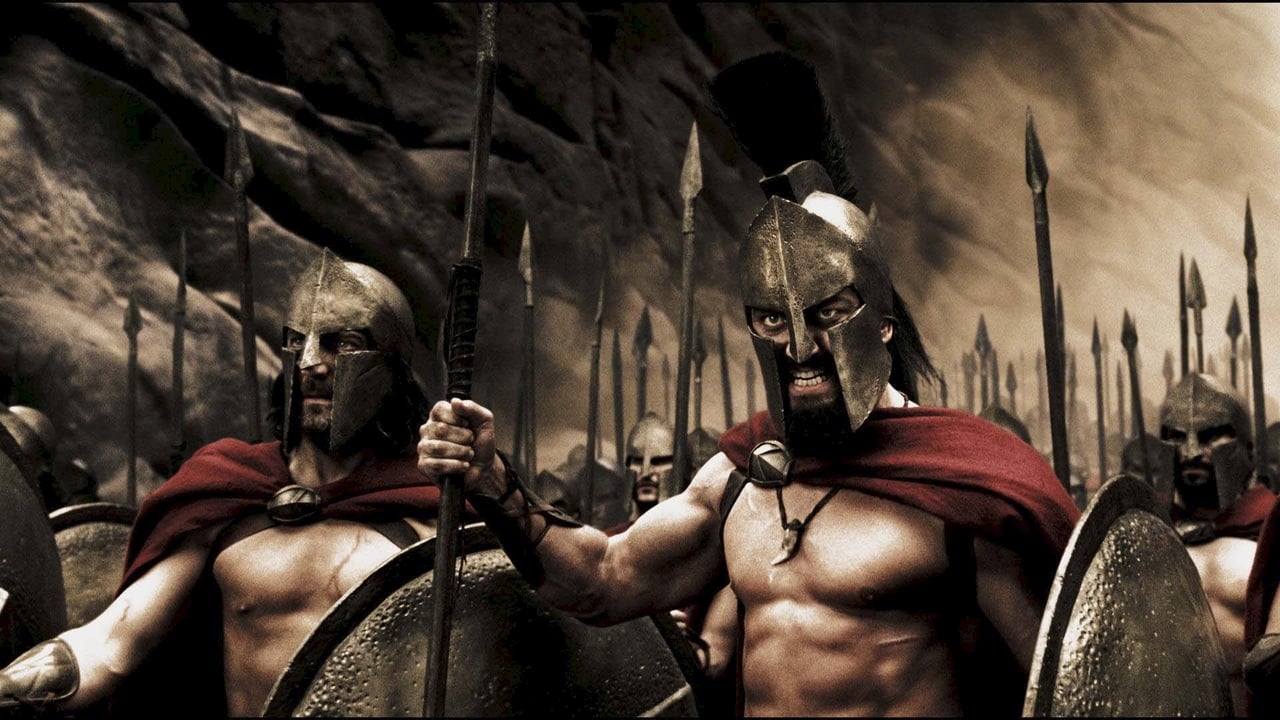

Leonidas & Ephialtes: The Flaw in the Phalanx
from 300
Written by Zack Snyder, Kurt Johnstad, Michael B. Gordon

Ephialtes, a deformed Spartan outcast, pleads with King Leonidas to let him fight alongside the 300 to reclaim his family's honor. Leonidas is forced to reject him because Ephialtes' physical limitations prevent him from holding his shield high enough to protect the man next to him in the phalanx formation. The rejection leaves Ephialtes devastated and resentful, creating a pivotal moment of emotional stakes for both characters.
LEONIDAS: Your father should have taught you how our Phalanx works. We fight as a single impenetrable unit. That is the source of our strength.
EPHIALTES: I will kill many Persians!
LEONIDAS: Raise your shield! Raise your shield as high as you can.
EPHIALTES: Sir?
LEONIDAS: Each Spartan protects the
Create a free account to explore more
Upgrade to Pro for full access — £6.99/month
Director's Notes
Explore More
Want expert coaching on this scene?
Browse our curated list of acting coaches, dialect specialists, and more.
Need representation?
Browse verified agents and casting directors in our directory.
How well does this scene match you?
Save your casting profile to see match scores on every scene.
Try Headshot AnalyserGo Pro
£6.99/mo
- ✓ Unlimited scene reading
- ✓ PDF downloads
- ✓ Director's Notes
- ✓ Headshot Analyser
- ✓ Cover Letter Generator
- ✓ Practice Mode
- ✓ Agent Connect
- + 1,000+ scenes
More from 300
Ephialtes's Betrayal
from 300
Xerxes tempts the rejected Spartan outcast Ephialtes with promises of wealth, pleasure, and status in exchange for the location of the hidden path behind the Spartan lines. Driven by a lifetime of resentment and a desire for the validation denied to him by Leonidas, Ephialtes agrees to betray his people and kneels before the Persian King.
Leonidas's Call to Glory
from 300
King Leonidas delivers a powerful rallying cry to his 300 soldiers on the eve of their final stand. He frames their inevitable sacrifice as a necessary foundation for a future defined by freedom, reason, and the rule of law rather than the whims of tyrants.
Gorgo's Plea to the Council
from 300
Queen Gorgo addresses the Spartan Council to demand military reinforcements for her husband, King Leonidas. She appeals to the councilmen's roles as fathers and former soldiers, arguing that the survival of Spartan liberty and the future of their children depend on their immediate action.