
Film
monologue
Drama

Life is a Gift

from Gladiator

Written by David Franzoni

Gladiator

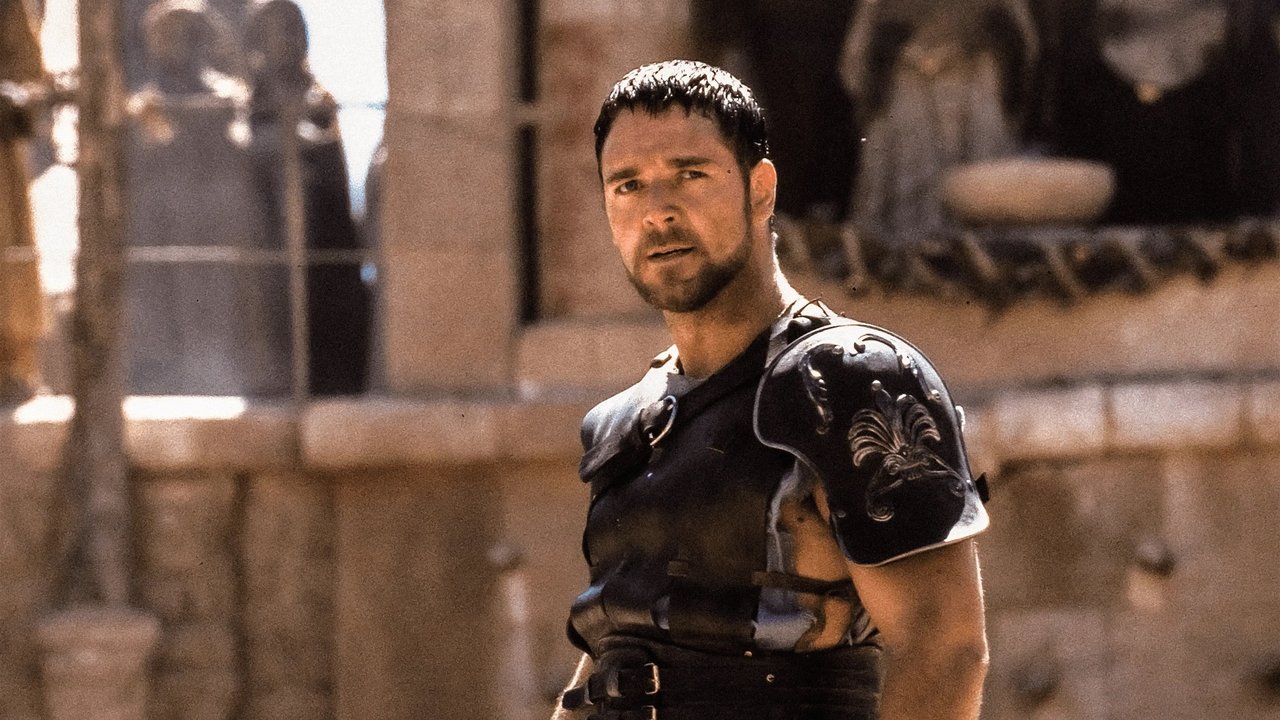
Juba attempts to convince a despondent Maximus to eat and survive by sharing a story about the resilience of the human spirit.

Start a free 7-day trial — 5 downloads a day, unlimited when Pro begins

Rehearse on your terms

Take this monologue into rehearsal and work through it at your own pace.

Scene PreviewExcerpt — subscribe to read full scene

JUBA

Have you killed a man before?

JUBA

You should eat. You'll need your strength tomorrow.

JUBA

I've never killed a man. But I think you have.

JUBA

I almost killed once. The Romans destroyed my village. I was with a hunting party and when we returned... I would have killed every Roman in the world.

JUBA

If you don't eat you will die.

End of preview. Continue with Pro below.

7 days freeYour next rehearsal starts here

Found your next scene? Make it yours.

Start your free trial and read Life is a Gift in full, with access to 4,000+ monologues and scenes to explore next.

  • Read the full scene and explore the library
  • Download your script in a clean, printable format
  • Take it into rehearsal with the Script Reader
Casting Types
Get Feedback
Coming Soon

Want expert coaching on this scene?

Browse our curated list of acting coaches, dialect specialists, and more.

Find a Coach

Need representation?

Browse verified agents and casting directors in our directory.

Scene Notes & Audition Tips

5 sections
About This Scene

This powerful monologue features Juba from the acclaimed film *Gladiator*, offering a profound moment of human connection and resilience amidst despair. Juba speaks to a broken and despondent Maximus, who is consumed by grief and refusing to engage with life. Through a mix of direct counsel, probing questions, and a compelling allegorical story, Juba attempts to ignite a spark of hope and the will to survive in his fellow captive. The scene builds from quiet observation to a stirring philosophical statement about the value of life itself.

Character Analysis

Juba is presented here as a figure of quiet strength, empathy, and deep wisdom. Despite his own traumatic circumstances, he possesses an extraordinary capacity to observe, understand, and offer solace to others. He demonstrates patience and persistence, not giving up on Maximus even when met with silence. Juba's storytelling reveals his cultural background and a worldview that values life as a sacred inheritance, positioning him as a mentor and a beacon of hope in a bleak environment. He is an Outsider who maintains an Everyman relatability, embodying resilience.

Why This Works for Auditions

This monologue is an excellent choice for auditions because it showcases an actor's ability to convey profound emotion, empathy, and conviction without resorting to histrionics. The gradual build of Juba's argument, culminating in his powerful story and direct challenge, allows for a nuanced performance arc. It demands subtle shifts in tone and intensity, from gentle coaxing to firm encouragement, demonstrating depth and control. The material provides ample opportunity to inhabit a character who is both vulnerable and incredibly strong, making it memorable for casting directors.

Best Suited For

This monologue is particularly well-suited for male actors in the 25-35 age range who are looking to highlight their capacity for grounded, empathetic, and powerful dramatic work. It is ideal for drama school auditions, agent showcases, or self-tapes where portraying a thoughtful, resilient, and perhaps world-weary character is desired. Actors aiming for "Character Actor," "Mentor," or "Vulnerable" casting types will find this piece aligns perfectly with those strengths. It’s also an excellent choice for general practice, allowing actors to refine their storytelling and emotional containment.

Performance Tips

Approach Juba's opening lines with genuine concern and observation, allowing Maximus's silence to truly impact you before speaking again. Let the allegorical story breathe, using your voice and physicality to paint the vivid imagery of the man and his trials, making the tale feel immediate and real. Emphasize the gradual shift in Juba's approach, from initial gentle nudges to the more direct, almost commanding plea at the monologue's conclusion. Focus on connecting with an imagined Maximus, making your performance about trying to reach someone, not just reciting lines.

Explore this topic