Skip to content
    Film
    group
    Sci-Fi

    Luke Begs Uncle Owen to Let Him Join the Academy

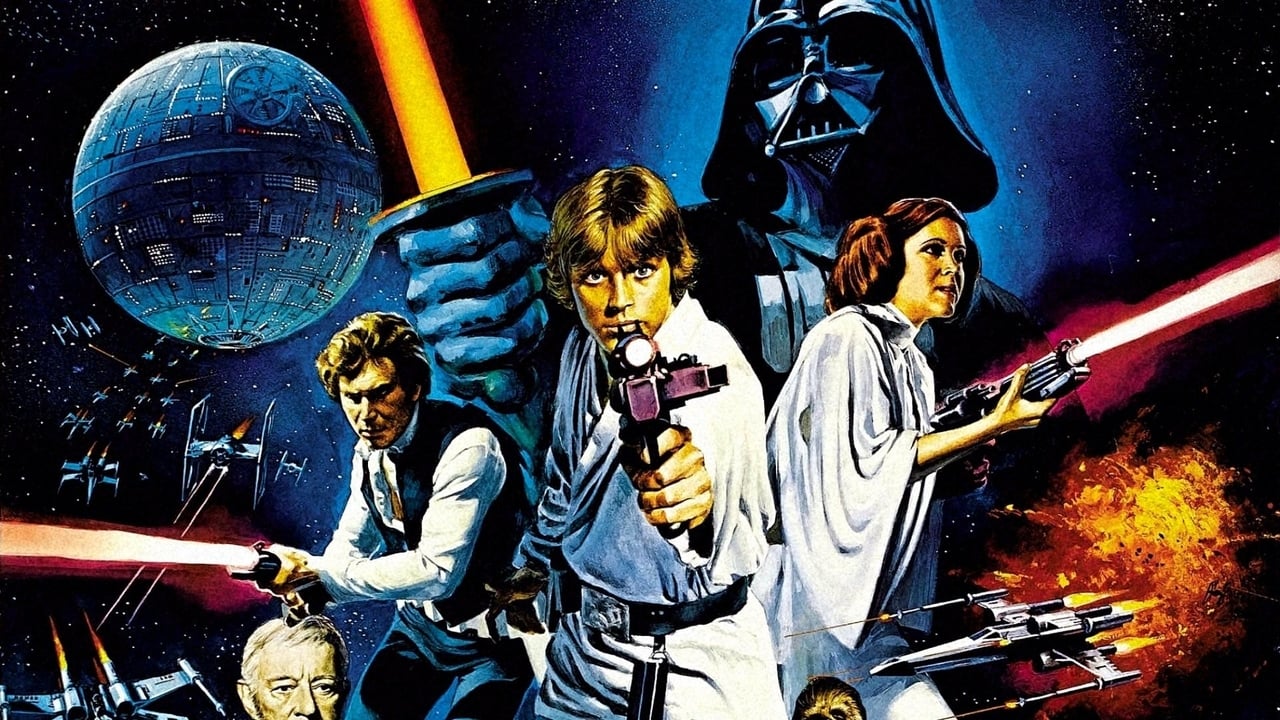
    from Star Wars: A New Hope

    Written by George Lucas

    Star Wars: A New Hope

    Luke clashes with his Uncle Owen over his desire to leave the farm for the Academy, while Owen fears Luke is becoming too much like his father.

    Start a free 7-day trial — 5 downloads a day, unlimited when Pro begins

    Rehearse this scene
    Rehearse on your terms

    Choose your role and voices for the other characters. Run the scene at your own pace.

    Scene PreviewExcerpt — subscribe to read full scene

    LUKE

    You know, I think that R2 unit we bought might have been stolen.

    OWEN

    What makes you think that?

    LUKE

    Well, I stumbled across a recording while I was cleaning him. He says he belongs to someone called Obi-Wan Kenobi. I thought he might have meant old Ben. Do you know what he's talking about? Well, I wonder if he's related to Ben.

    OWEN

    That old…

    End of preview. Continue with Pro below.

    7 days freeYour next rehearsal starts here

    Found your next scene? Make it yours.

    Start your free trial and read Luke Begs Uncle Owen to Let Him Join the Academy in full, with access to 6,500+ monologues and scenes to explore next.

    • Read the full scene and explore the library
    • Download your script in a clean, printable format
    • Take it into rehearsal with the Script Reader
    Casting Types
    Get Feedback
    Coming Soon

    Want expert coaching on this scene?

    Browse our curated list of acting coaches, dialect specialists, and more.

    Find a Coach

    Need representation?

    Browse verified agents and casting directors in our directory.

    Scene Notes & Audition Tips

    5 sections
    About This Scene

    In this grounded science-fiction domestic scene written by George Lucas, an ordinary family meal exposes deep generational tensions and hidden truths. Luke brings up a discovery regarding their newly purchased droid and its connection to someone named Obi-Wan Kenobi, prompting an unexpectedly fierce reaction from Uncle Owen. When Luke attempts to pivot the conversation toward his future and his desire to finally leave the farm for the Academy, Owen pushes back to keep him tethered to domestic responsibilities for another season.

    Character Analysis

    Luke embodies the restless energy of youth, caught between filial duty and an intense yearning for independence and self-discovery. Owen operates as a stern, protective patriarch whose sharp defensiveness masks a profound fear regarding Luke's lineage and safety. Aunt Beru serves as the quiet, watchful maternal presence in the room, offering an anchor of warmth amidst the growing friction between the two men.

    Why This Works for Auditions

    Although set in a futuristic context, the scene relies entirely on universal domestic conflict, making it easily adaptable for contemporary scene study or showcase work. It offers actors clear tactical shifts, moving from casual dinner conversation to guarded secrecy, defensive anger, and earnest pleading. For the performer playing Luke, the scene provides an exceptional opportunity to demonstrate vulnerability, frustration, and restrained hope without tipping into petulance.

    Best Suited For

    This piece is ideally suited for teenage and emerging actors looking for a self-tape or agent showcase that highlights grounded, naturalistic acting within a dramatic framework. It also serves as an excellent three-person exercise for drama classrooms focusing on subtext, family dynamics, and active listening. Performers fitting the Boy Next Door, Teenager, or Everyman casting categories will find the material particularly resonant.

    Performance Tips

    Treat the interaction as an authentic kitchen-sink family disagreement rather than an elevated space epic. Luke should genuinely seek his uncle's approval, as the scene loses its heartbreak if the relationship feels entirely adversarial. The actor playing Owen must ensure that the character's anger is driven by a deep protective instinct rather than pure tyranny, allowing the audience to feel the unspoken history lingering beneath every refusal.

    No ratings yet
    Sign in to rate