Skip to content
    Film
    duologue
    Drama

    Luther Tells Hooker He's Getting Out

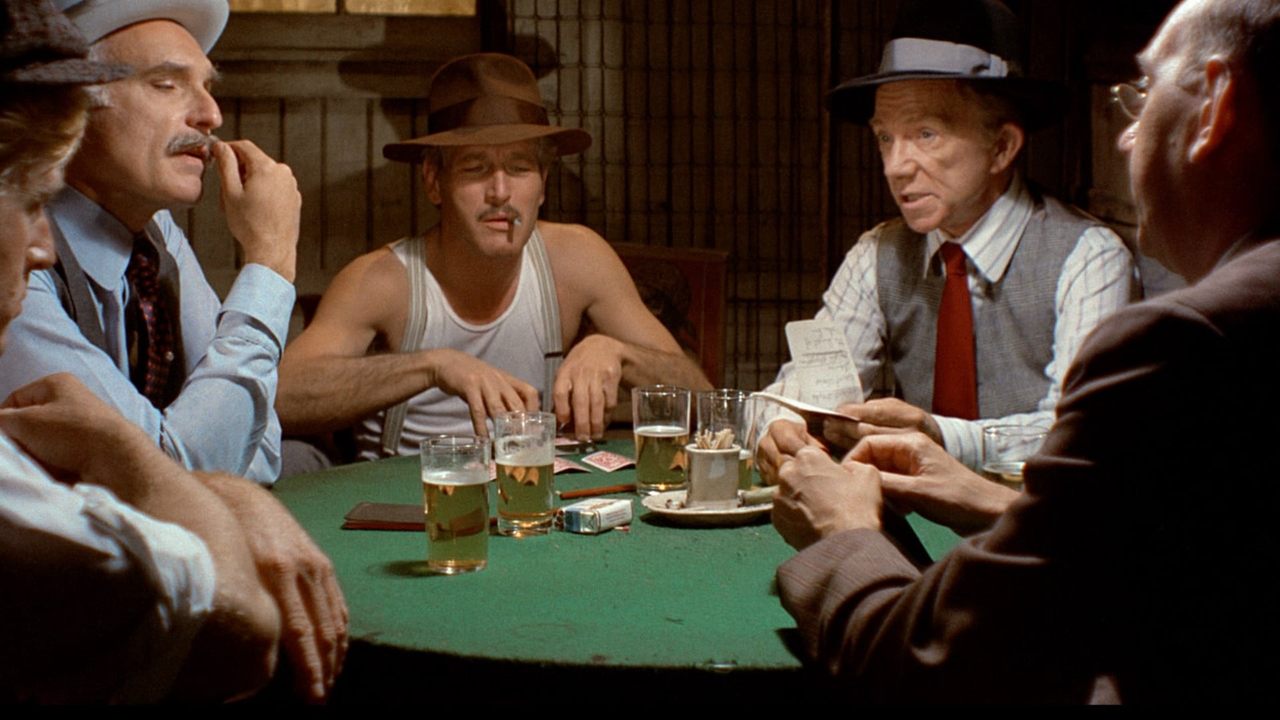
    from The Sting

    Written by David S. Ward

    The Sting

    2 min · 2 characters · Any gender · 55+

    An aging con man tells his young partner he is retiring from the racket and urges him to move up to the Big Con.

    Start a free 7-day trial — 5 downloads a day, unlimited when Pro begins

    Rehearse this scene
    Rehearse on your terms

    Choose your role and voices for the other characters. Run the scene at your own pace.

    Scene PreviewExcerpt — subscribe to read full scene

    COLEMAN

    You're late. Where you been?

    HOOKER

    I had some appointments.

    COLEMAN

    How much did ya lose?

    HOOKER

    All of it.

    COLEMAN

    In one goddamn night? What are ya sprayin' money around like that for? You coulda been nailed.

    End of preview. Continue with Pro below.

    7 days freeYour next rehearsal starts here

    Found your next scene? Make it yours.

    Start your free trial and read Luther Tells Hooker He's Getting Out in full, with access to 9,000+ monologues and scenes to explore next.

    • Read the full scene and explore the library
    • Download your script in a clean, printable format
    • Take it into rehearsal with the Script Reader
    Casting Types
    Get Feedback
    Coming Soon

    Want expert coaching on this scene?

    Browse our curated list of acting coaches, dialect specialists, and more.

    Find a Coach

    Need representation?

    Browse verified agents and casting directors in our directory.

    Scene Notes & Audition Tips

    5 sections
    About This Scene

    This intimate dramatic duologue from David S. Ward's screenplay for the film The Sting features an aging grifter and his younger protégé after a major score. Following a night where the younger partner recklessly gambles away his cut, the veteran reveals that he is stepping away from the racket for good. Rather than a harsh reprimand, the exchange turns into a heartfelt parting of ways where the senior partner encourages his partner to leave small-time street marks behind and move up to the big leagues.

    Character Analysis

    Coleman is a seasoned, working-class con artist who recognizes his own physical and professional limits. He carries a paternal warmth and pragmatic wisdom, wanting to exit on his own terms while ensuring his student achieves greater success than he ever did. Hooker is ambitious, hot-tempered, and impulsive, yet deeply loyal to the man who took him in and taught him his craft. Beneath his defensive bravado lies a genuine fear of abandonment and the sudden uncertainty of continuing without his mentor's guidance.

    Why This Works for Auditions

    Running approximately two minutes, this scene offers a balanced, emotionally grounded exchange that avoids melodrama while maintaining high subtextual stakes. It showcases an actor's ability to play quiet vulnerability alongside gruff street smarts, making it particularly effective for mature actors playing mentor figures. The dynamic allows both performers to explore shifting power balances, from early scolding and defensive tension to mutual respect and genuine affection.

    Best Suited For

    This scene is ideal for self-tape auditions, agent showcases, and general classroom practice where actors want to highlight nuanced character interaction. It provides strong material for actors casting into mentor, patriarch, anti-hero, working-class, or criminal types. The material serves mature performers seeking subtle dramatic moments as well as younger scene partners demonstrating active listening and emotional honesty.

    Performance Tips

    Focus on the deep history between the characters rather than playing the dialogue as a simple confrontation. Coleman's frustration stems from care and self-awareness rather than malice, so resist the temptation to stay angry; let the transition into genuine affection and quiet resignation take center stage. For Hooker, fight against the news rather than accepting it immediately, letting the sudden loss of direction register through physical stillness and vocal restraint.

    No ratings yet
    Sign in to rate
