Skip to content
    Film
    duologue
    Comedy-Drama

    Marty Teaches George to Hit Him in the Stomach

    from Back to the Future

    Written by Robert Zemeckis & Bob Gale

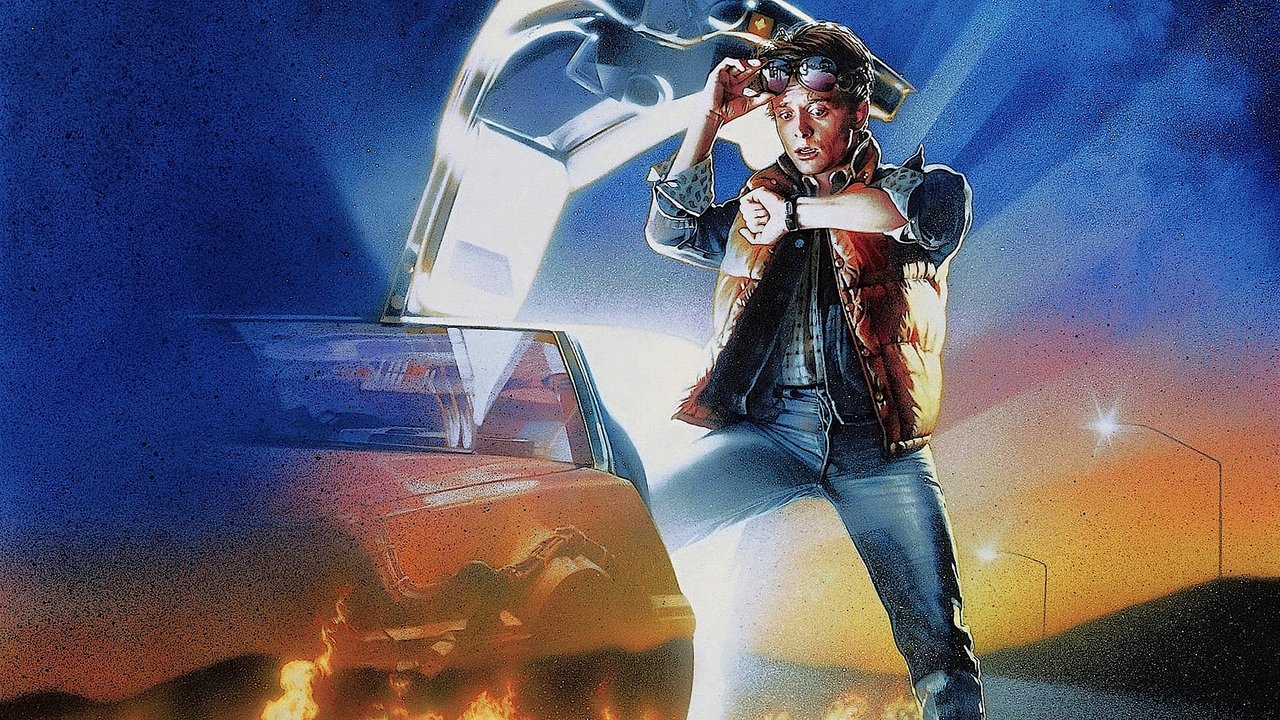
    Back to the Future

    Marty attempts to coach his timid father, George, on how to act like a hero and punch him to win Lorraine's heart.

    Start a free 7-day trial — 5 downloads a day, unlimited when Pro begins

    Rehearse this scene
    Rehearse on your terms

    Choose your role and voices for the other characters. Run the scene at your own pace.

    Scene PreviewExcerpt — subscribe to read full scene

    GEORGE

    I still don’t understand. How can I go to the dance with her if she’s going with YOU?

    MARTY

    She wants to go with YOU George — she just doesn’t know it yet. That’s why we’ve gotta convince her that you’re not a chicken — so she’ll realize that. Now come on, hit me in the stomach. Right here, go ahead.

    GEORGE

    I don’t want to hit you in the…

    End of preview. Continue with Pro below.

    7 days freeYour next rehearsal starts here

    Found your next scene? Make it yours.

    Start your free trial and read Marty Teaches George to Hit Him in the Stomach in full, with access to 6,500+ monologues and scenes to explore next.

    • Read the full scene and explore the library
    • Download your script in a clean, printable format
    • Take it into rehearsal with the Script Reader
    Casting Types
    Get Feedback
    Coming Soon

    Want expert coaching on this scene?

    Browse our curated list of acting coaches, dialect specialists, and more.

    Find a Coach

    Need representation?

    Browse verified agents and casting directors in our directory.

    Scene Notes & Audition Tips

    5 sections
    About This Scene

    Written by Robert Zemeckis & Bob Gale for the film Back to the Future, this comedic duologue features Marty and George in a suburban backyard. Marty is determined to coach the timid George on how to project confidence, stand up for himself, and rescue Lorraine to win her affections. The high-stakes plan requires George to stage a confrontation by physically striking Marty and delivering a tough line, but George's complete lack of aggression and constant confusion create immense friction between them.

    Character Analysis

    Marty is driven, exasperated, and operating under a mounting sense of urgency, forced to micromanage every detail of a theatrical rescue while masking his own internal discomfort with the premise. He balances patience with frantic encouragement, serving as the desperate director of an exceptionally hesitant pupil. George embodies extreme timidity, passive insecurity, and literal-minded bewilderment, utterly unaccustomed to conflict or bravado. Their dynamic thrives on the sharp contrast between Marty's fast-talking motivation and George's slow, bewildered reluctance.

    Why This Works for Auditions

    This scene offers two distinct, contrasting comedic roles that allow young actors to demonstrate sharp timing, active listening, and physical storytelling. It avoids passive dialogue by centering on a clear, active objective: one character is attempting to force an action while the other is persistently resisting it. Because the comedic tension stems from genuinely held character stakes rather than artificial punchlines, performers can showcase grounded comedic instincts and authentic character commitment in under two minutes.

    Best Suited For

    Running approximately two minutes, this comedic two-hander is ideal for teenage performers and young actors fitting Leading Man, Everyman, or Nerd casting profiles. It works effectively for agent showcases, self-tape submissions, and general classroom practice. The material provides balanced opportunities for both partners to shine without requiring elaborate props or complex staging.

    Performance Tips

    Actors playing Marty should maintain strong forward momentum without rushing past the awkwardness inherent in the plan he is pitching. For George, focus on genuine physical hesitation and earnest innocence rather than leaning into a broad caricature of weakness; the humor lands best when George takes every question and moral dilemma entirely seriously. Pay close attention to pacing during the rehearsal beat, ensuring the transition from physical hesitance to verbal coaching feels grounded and spontaneous.

    No ratings yet
    Sign in to rate