Skip to content
    Play
    monologue
    Drama

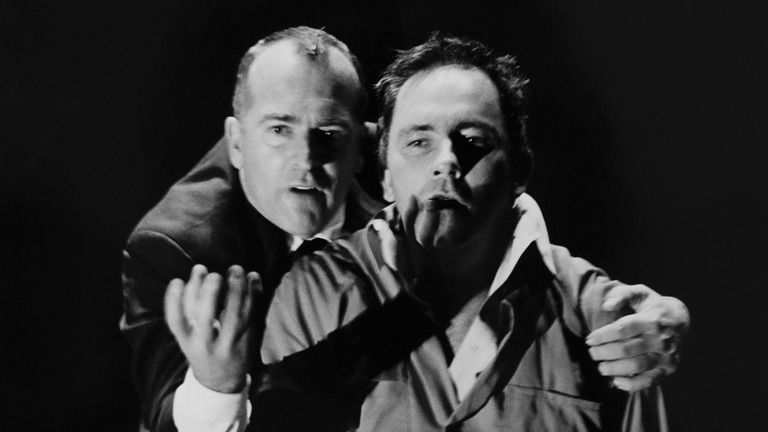
    Max delivers a heated, profanity-laden defense of American interventionism and Western values following the September 11 attacks. He argues that global hatred toward America is rooted in envy and that the war on terror is a necessary response to protect human progress.

    Start a free 7-day trial — 5 downloads a day, unlimited when Pro begins

    Rehearse on your terms

    Take this monologue into rehearsal and work through it at your own pace.

    Scene PreviewExcerpt — subscribe to read full scene

    MAX

    Look, mate, I don't know what's happening – I just arrived here, right? And, all right, I know the Americans go on with all this flag-waving, patriotic bullshit and think the rest of the world hates them, but fuck, Talbot, they're right: the rest of the world does hate 'em – I hate 'em and I want to live here! It's envy, isn't it: everyone looks at…

    End of preview. Continue with Pro below.

    7 days freeYour next rehearsal starts here

    Found your next scene? Make it yours.

    Start your free trial and read Max's Defense of America in full, with access to 6,500+ monologues and scenes to explore next.

    • Read the full scene and explore the library
    • Download your script in a clean, printable format
    • Take it into rehearsal with the Script Reader
    Casting Types
    Get Feedback
    Coming Soon

    Want expert coaching on this scene?

    Browse our curated list of acting coaches, dialect specialists, and more.

    Find a Coach

    Need representation?

    Browse verified agents and casting directors in our directory.

    Scene Notes & Audition Tips

    5 sections
    About This Scene

    Written by Australian playwright Stephen Sewell, this contemporary dramatic monologue is taken from the play *Myth, Propaganda and Disaster in Nazi Germany and Contemporary America*. Set in the volatile sociopolitical landscape following the September 11 attacks, the scene captures Max delivering an intense, profanity-laden defense of American interventionism and human progress. Over roughly two minutes, the piece confronts cynicism, global politics, and collective grief, creating an urgent, thought-provoking dramatic moment.

    Character Analysis

    Max is a raw, fiercely opinionated, and intellectually driven individual who refuses to soften his perspective for polite company. While he acknowledges the glaring contradictions and vanity present in American culture, he maintains a pragmatic, uncompromising defense of Western progress and personal liberty. His demeanor is tough and combative, yet beneath his cynical bravado lies a profound frustration with global stagnation and the destruction of human potential.

    Why This Works for Auditions

    This piece offers performers an exceptional vehicle to showcase command over high-octane text, rapid rhetoric, and sustained emotional stamina. Because Max is actively fighting to change another person's mind, the monologue possesses strong dramatic propulsion rather than passive storytelling. Audition panels and casting directors are treated to an actor who can tackle controversial themes, inhabit an anti-heroic presence, and maintain intellectual clarity through extreme passion.

    Best Suited For

    The monologue is tailored for male performers playing between the ages of 25 and 35 who naturally fit intense, anti-hero, tough, or action-oriented casting brackets. It is particularly well-suited for drama school auditions, agent showcases, and general audition practice that requires a contemporary piece with immediate bite, strong character voice, and palpable urgency.

    Performance Tips

    Resist the temptation to begin at maximum volume; map out a precise progression so your vocal energy has room to expand naturally. Ground Max's profanity and fury in targeted logic, treating every philosophical observation as a weapon meant to convince your partner. Keep your objective clear and focused on the listener, ensuring that your physical energy matches the sharp intellectual velocity of the text without losing verbal clarity.

    No ratings yet
    Sign in to rate