Skip to content
    Film
    duologue
    Drama

    Michael Asks 'Did You Like Peter More Than Me'

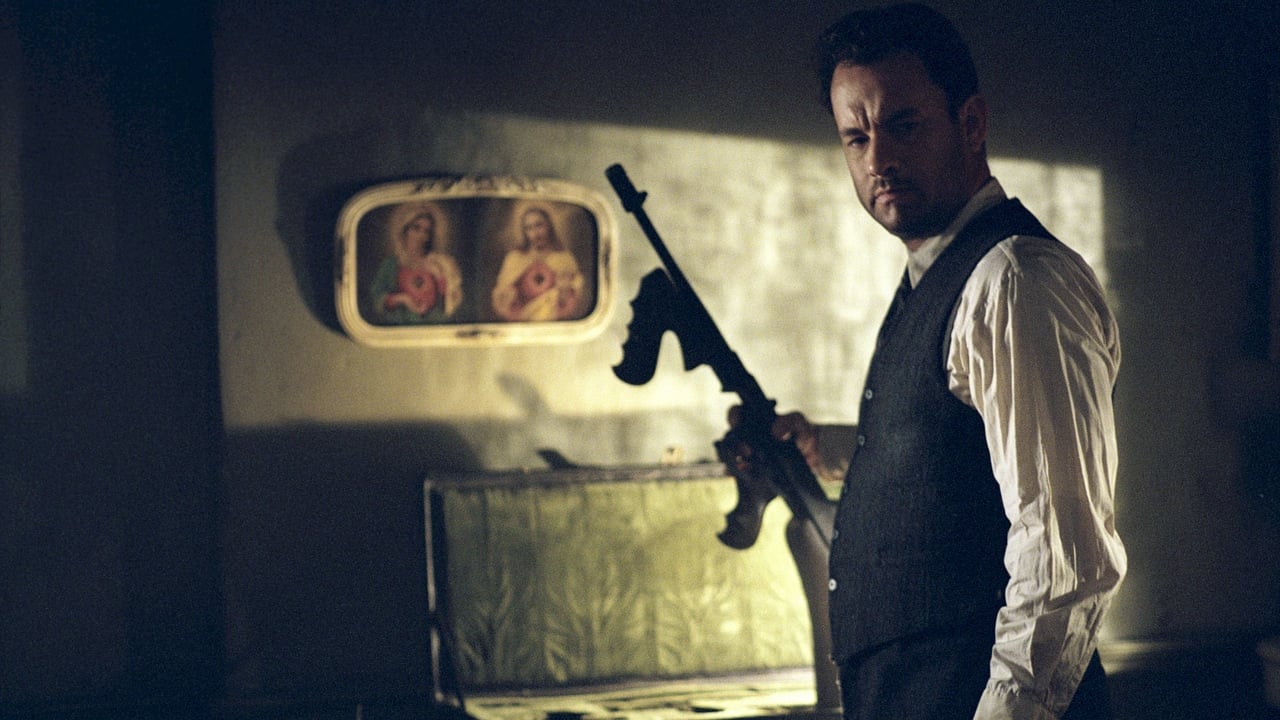
    from Road to Perdition

    Written by David Self

    Road to Perdition

    2 min · 2 characters · Any gender · 35-45

    A father and son share a rare moment of vulnerability as the father explains why he treated his sons differently.

    Start a free 7-day trial — 5 downloads a day, unlimited when Pro begins

    Rehearse this scene
    Rehearse on your terms

    Choose your role and voices for the other characters. Run the scene at your own pace.

    Scene PreviewExcerpt — subscribe to read full scene

    SULLIVAN

    Hello..

    MICHAEL

    I had a bad dream.

    SULLIVAN

    You want to talk about it? MICHAEL:

    Shakes his head

    SULLIVAN

    Well...come on in. Take a seat, if you want.
    End of preview. Continue with Pro below.

    7 days freeYour next rehearsal starts here

    Found your next scene? Make it yours.

    Start your free trial and read Michael Asks 'Did You Like Peter More Than Me' in full, with access to 8,000+ monologues and scenes to explore next.

    • Read the full scene and explore the library
    • Download your script in a clean, printable format
    • Take it into rehearsal with the Script Reader
    Casting Types
    Get Feedback
    Coming Soon

    Want expert coaching on this scene?

    Browse our curated list of acting coaches, dialect specialists, and more.

    Find a Coach

    Need representation?

    Browse verified agents and casting directors in our directory.

    Scene Notes & Audition Tips

    5 sections
    About This Scene

    In a quiet room late at night, Sullivan sits alone struggling over financial paperwork when his young son, Michael, enters after waking from a bad dream. What begins as an awkward exchange about school subjects shifts into a fragile, honest inquiry when Michael asks whether his father preferred his brother. Written by David Self, this poignant dramatic duologue captures an emotionally guarded parent dropping his defenses to offer a rare, painful confession about love, regret, and the fear of seeing his own flaws reflected in his child.

    Character Analysis

    Sullivan is an emotionally restrained patriarch who is unaccustomed to casual intimacy and frequently scolds himself for his inability to connect with his family. Beneath his weathered, tough exterior lies profound self-awareness, guilt, and a desperate desire to ensure his son does not mirror his own difficult path in life. Michael is a quiet, observant child carrying deep insecurities about his place in the household, posing vulnerable questions with a plainspoken courage that catches his father entirely off guard.

    Why This Works for Auditions

    This scene serves as an exceptional showcase for nuanced subtext and emotional restraint within a concise two-minute running time. Because the dialogue is spare and economical, casting directors can instantly gauge an actor's comfort with stillness, active listening, and unspoken tension. It provides actors looking for mature, grounded roles the opportunity to display vulnerability without relying on explosive outbursts or heavy melodrama.

    Best Suited For

    This material is ideally suited for performers in the 35-45 age range reading for leading man, protective patriarch, or vulnerable everyman roles. It works exceptionally well for self-tapes and agent showcases where intimate camera work can capture subtle shifts in thought and expression. It is also an excellent choice for scene study classes focusing on parent-child dynamics, subtext, and truthful pacing.

    Performance Tips

    Resist the urge to lean into overt sentimentality or performative sadness when delivering the central confession. Sullivan should arrive at his realization in real time, discovering his own motives only as he speaks them aloud to his son. Give full weight to the pauses and silences between the lines, as the scene's emotional power relies entirely on the unspoken history shared across the table.

    No ratings yet
    Sign in to rate
