Film
duologue
Drama
Thriller

Monty's Three Choices

from 25th Hour

Written by David Benioff

25th Hour

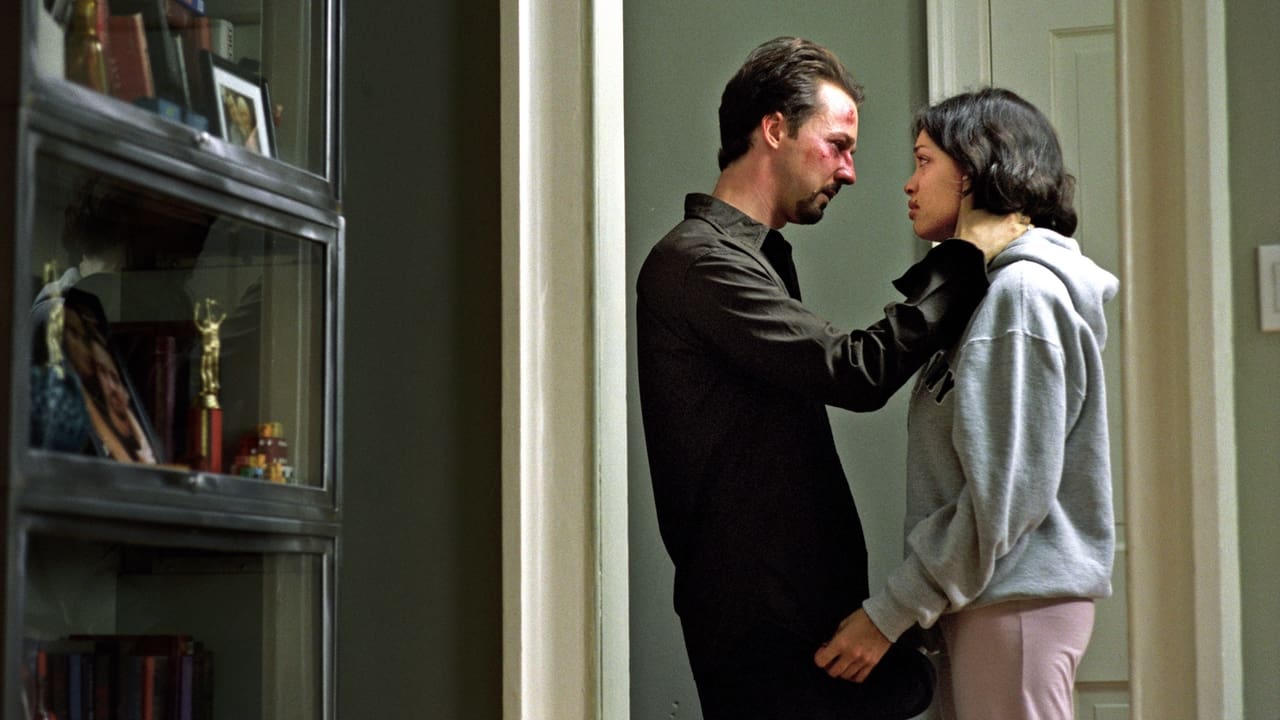
Two friends discuss the grim reality of their companion's impending prison sentence and the inevitable end of their social circle.

Start a free 7-day trial — 5 downloads a day, unlimited when Pro begins

Rehearse this scene
Rehearse on your terms

Choose your role and voices for the other characters. Run the scene at your own pace.

Scene PreviewExcerpt — subscribe to read full scene

JAKOB

So explain it to me.

SLATTERY

You want the simple version? People who look like Monty don't do well in prison.

JAKOB

You're talking about... It can't be as bad as people say. I mean, it's a Federal prison. I'm sure they're pretty careful—

SLATTERY

Man, you talk exactly like a guy who never left school.

End of preview. Continue with Pro below.

7 days freeYour next rehearsal starts here

Found your next scene? Make it yours.

Start your free trial and read Monty's Three Choices in full, with access to 3,000+ monologues and scenes to explore next.

  • Read the full scene and explore the library
  • Download your script in a clean, printable format
  • Take it into rehearsal with the Script Reader
Casting Types
Get Feedback
Coming Soon

Want expert coaching on this scene?

Browse our curated list of acting coaches, dialect specialists, and more.

Find a Coach

Need representation?

Browse verified agents and casting directors in our directory.

Scene Notes & Audition Tips

5 sections
About This Scene

This intense duologue from David Benioff's "25th Hour" features Jakob and Slattery grappling with the grim reality facing their mutual friend, Monty, who is about to begin a prison sentence. The scene powerfully explores friendship, loyalty, and the irreversible consequences of a life-altering event. It forces the characters to confront the inevitable dissolution of their social circle and the potential loss of a loved one. This pivotal moment captures denial clashing with brutal honesty, creating palpable tension and foreboding.

Character Analysis

Jakob grapples with denial, hoping things are less severe, struggling to accept Monty's harsh prognosis. He clings to notions of federal prison safety and eventual reunion, showcasing youthful naivety or deep emotional resistance to devastating change. Slattery, conversely, is the realist, delivering hard truths with a cynical, jaded perspective. He possesses a clear-eyed view of potential outcomes, perhaps from personal experience or a grounded understanding of the world. Both characters are in their 20s-30s, allowing for varied emotional maturity and life experience.

Why This Works for Auditions

This scene offers exceptional material for auditions due to its raw emotional depth and strong character contrast. It allows actors to showcase a broad emotional range, moving from disbelief and simmering anger to resigned acceptance or hardened cynicism, within a compact timeframe. Its contemporary period and intense tone are highly relevant for many modern casting calls. The duologue format provides ample opportunity for nuanced interaction and reaction, while the clear objectives for each character – Jakob seeking hope, Slattery stripping it away – create compelling conflict and dynamic exchanges that will impress casting directors.

Best Suited For

This scene is particularly well-suited for male actors aged 25-35 portraying characters under significant emotional duress. It's ideal for those targeting "Everyman," "Young Professional," or "Best Friend" archetypes with an underlying intensity or "Working Class" grit. Actors comfortable with exploring themes of friendship, loyalty, and harsh realities will find this piece compelling. It works effectively for agent showcases, self-tapes, and general practice, offering a contained, powerful narrative requiring strong emotional commitment and reactive acting.

Performance Tips

When approaching this scene, actors should focus on the underlying stakes: the potential permanent loss of a friend. For Jakob, lean into the struggle between hope and despair, allowing denial to crack under Slattery's blunt assessments, with simmering anger rooted in fear and frustration. For Slattery, deliver hard truths not with cruelty, but with weary resignation, perhaps even grim empathy; his cynicism should stem from understanding harsh realities. Pay close attention to the subtext of their long-standing friendship; even in disagreement, a shared history informs their dynamic.

Explore this topic