
Film
duologue
Drama

Movie Theatre Encounter

from Witness for the Prosecution

Written by Billy Wilder, Harry Kurnitz

Witness for the Prosecution

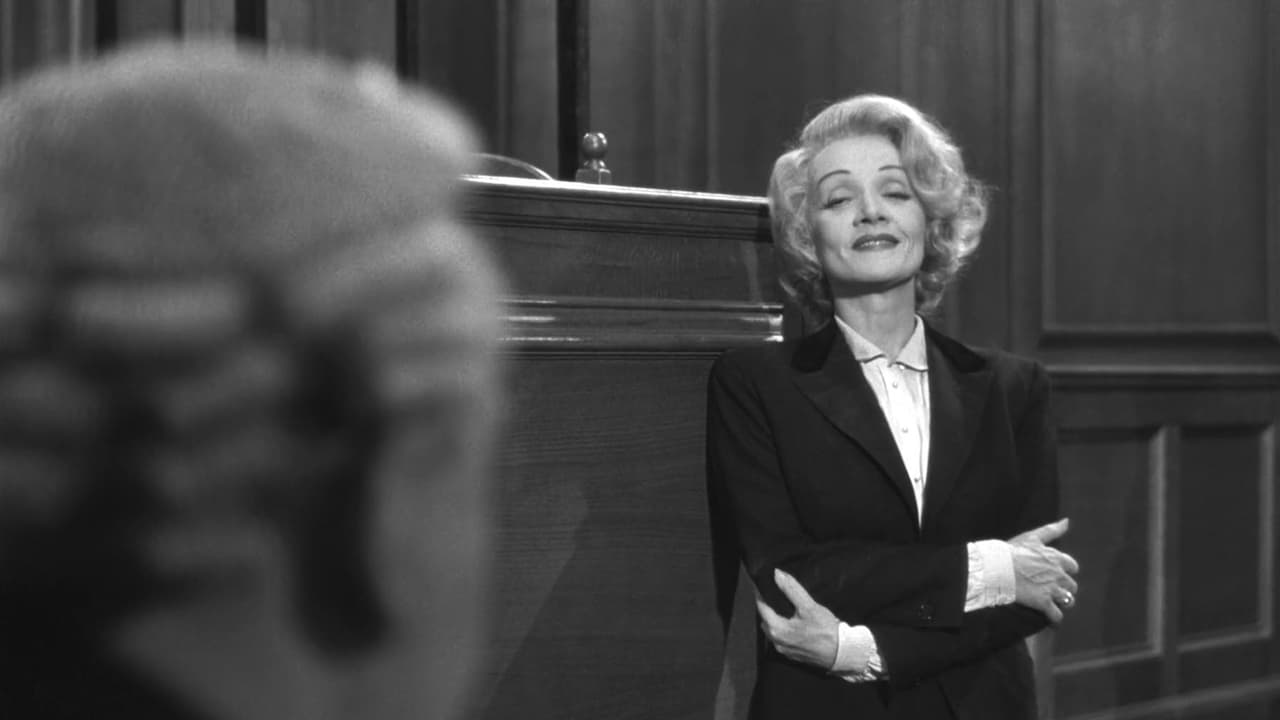
Leonard Vole, a man accused of murder, encounters Mrs. French, a woman who previously testified against him, at a movie theatre. They engage in a casual conversation about the film and their lives, revealing Mrs. French's loneliness and Vole's polite demeanor despite their past interaction.

Start a free 7-day trial — 5 downloads a day, unlimited when Pro begins

Rehearse this scene
Rehearse on your terms

Choose your role and voices for the other characters. Run the scene at your own pace.

Scene PreviewExcerpt — subscribe to read full scene

VOLE

Would you mind, Madame --

VOLE

Oh, hello --

MRS. FRENCH

Hello. It's your fault, you know-- you chose it yourself.

VOLE

Sure --- if you like.

VOLE

The chap on the white horse is called Jesse James. They've lured him into this ambush -- not at all cricket.

End of preview. Continue with Pro below.

7 days freeYour next rehearsal starts here

Found your next scene? Make it yours.

Start your free trial and read Movie Theatre Encounter in full, with access to 3,000+ monologues and scenes to explore next.

  • Read the full scene and explore the library
  • Download your script in a clean, printable format
  • Take it into rehearsal with the Script Reader
Casting Types
Get Feedback
Coming Soon

Want expert coaching on this scene?

Browse our curated list of acting coaches, dialect specialists, and more.

Find a Coach

Need representation?

Browse verified agents and casting directors in our directory.

Scene Notes & Audition Tips

5 sections
About This Scene

This compelling two-minute duologue from the acclaimed film *Witness for the Prosecution* offers a unique dramatic encounter between Leonard Vole and Mrs. French. Set in a movie theatre, the scene unfolds after Mrs. French has already testified against Vole, creating an undercurrent of tension despite the seemingly casual conversation. It masterfully explores themes of loneliness and polite social interaction, even between individuals with a fraught shared history.

Character Analysis

For Vole, the actor should focus on maintaining a polite, somewhat detached demeanor, subtly hinting at the weight of his situation without overtly displaying it. He maintains an 'everyman' quality, making his exchanges with Mrs. French appear benign. Mrs. French, on the other hand, is presented as vulnerable and somewhat isolated, using her frequent movie-going as an escape from solitude. Her character carries a poignant loneliness, which she reveals through her conversational choices and delivery, inviting an actor to explore a rich emotional landscape beneath a seemingly simple exterior.

Why This Works for Auditions

This scene is excellent for auditions because it provides substantial emotional depth within a short timeframe, allowing actors to showcase nuance and subtlety. The contrast between Vole's polite yet guarded nature and Mrs. French's burgeoning vulnerability creates a compelling dynamic without requiring explosive dramatics. It demonstrates an actor's ability to handle complex subtext and maintain character integrity in a naturalistic setting, which is highly valued by casting directors.

Best Suited For

This duologue is ideally suited for actors in the 35-45 age range looking for material that highlights vulnerability, an everyman quality, or intense undercurrents. It's particularly effective for character actors who excel at portraying understated emotion and creating strong connections. Its dramatic genre and modern-classic tone make it a strong choice for drama school auditions, self-tapes, or general practice where showcasing authentic human interaction is key.

Performance Tips

When approaching this scene, focus on the subtextual tension that exists between the characters due to their past interaction. For Mrs. French, allow her loneliness to inform her every line, even the most mundane, without making it overtly performative. For Vole, maintain his polite facade, letting his weary demeanor subtly hint at the pressure he's under, creating a sense of quiet intensity. Pay close attention to the rhythm of the dialogue and the unspoken moments, using pauses and reactions to convey the depth of their respective situations.

Explore this topic