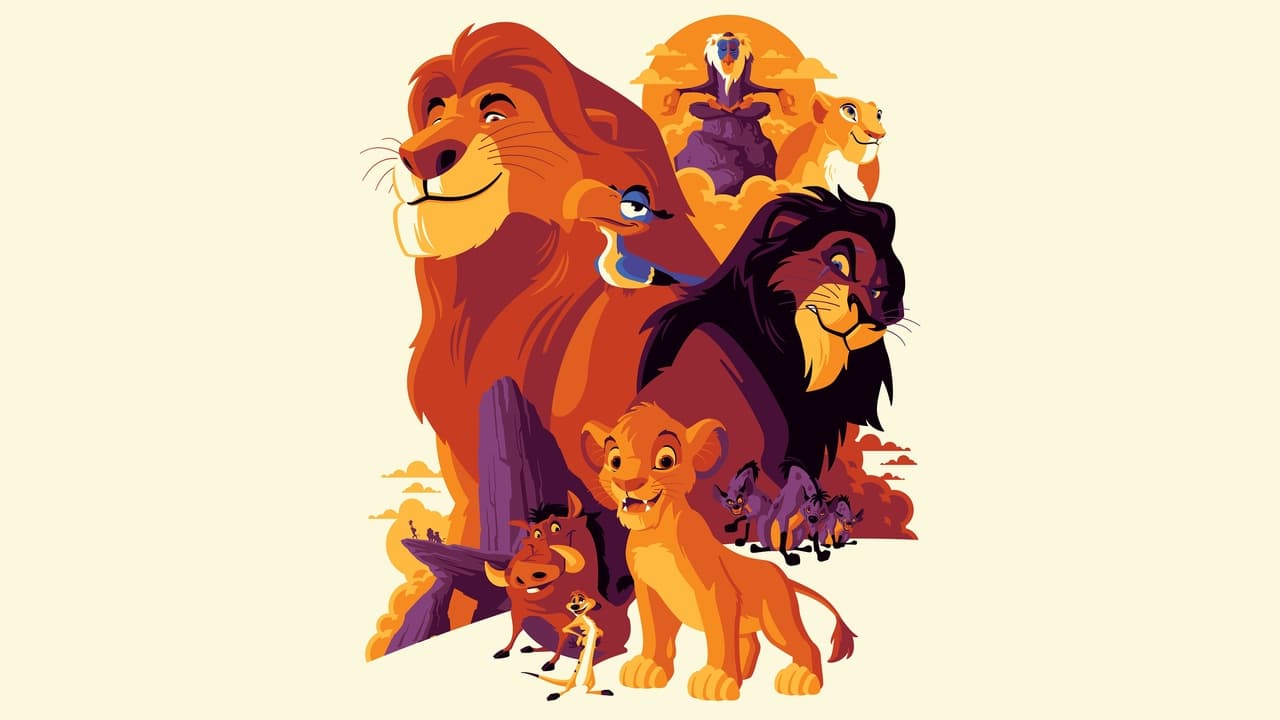
Mufasa and Scar Confrontation
from The Lion King
Written by Irene Mecchi, Jonathan Roberts, Linda Woolverton

Mufasa confronts his brother Scar regarding his absence from Simba's presentation. The scene highlights the deep-seated resentment Scar feels toward the hierarchy and the contrasting leadership styles between the powerful King and his calculating, bitter brother.
MUFASA: That "hairball" is my son and your future king.
SCAR: Oh, I shall practice my curtsy.
MUFASA: Don't turn your back on me, Scar.
SCAR: Oh, no, Mufasa. Perhaps you shouldn't turn your back on me.
MUFASA: Is that a challenge?!
SCAR: Temper, temper. I wouldn't dream of challenging you.
ZAZU: Pit
Create a free account to explore more
Upgrade to Pro for full access — £6.99/month
Director's Notes
Explore More
Want expert coaching on this scene?
Browse our curated list of acting coaches, dialect specialists, and more.
Need representation?
Browse verified agents and casting directors in our directory.
Scene Notes & Audition Tips
About This Scene
This intense group scene from *The Lion King* dramatically sets the stage for the film's central conflict. It features a volatile confrontation between Mufasa and his resentful brother, Scar, regarding Scar's absence from a crucial family event, all while Zazu attempts to mediate. This powerhouse scene is perfect for exploring themes of power, family dynamics, and simmering ambition, offering rich material for actors to delve into.
Character Analysis
**Mufasa:** The powerful, benevolent king, Mufasa is driven by duty and a deep love for his family and his kingdom. In this scene, he's firm, direct, and slightly exasperated by Scar's perpetual antics, but also genuinely concerned about his brother's behavior. An actor playing Mufasa needs to embody regal authority tempered with a paternal concern, showing the weight of leadership alongside familial responsibility. His emotional journey moves from sternness to frustrated challenge, culminating in a watchful, wary concern.
**Scar:** Scar is cunning, deeply resentful, and motivated by a burning desire for power and recognition he feels is unjustly denied. His emotional landscape is a masterful blend of sarcasm, bitterness, and barely contained rage, masked by an outward display of flippant indifference. For an actor, Scar requires meticulous attention to subtext; every line, every gesture, even his feigned humility, is a calculated manipulation. The shift from outward mockery to a deeper, bitter honesty is key to unlocking his true menace.
**Zazu:** As Mufasa's loyal, often flustered, majordomo, Zazu serves as the voice of reason and comic relief. His motivation is to uphold order and perhaps defuse tension, but he often finds himself caught between the two formidable brothers. An actor playing Zazu needs excellent comedic timing, the ability to physically express anxiety, and a clear understanding of his subordinate role, despite his attempts to assert himself. He provides a crucial counterpoint to the dramatic tension, highlighting its absurdity and danger simultaneously.
Why This Works for Auditions
This scene is an exceptional audition piece for several reasons. It's a fantastic **contemporary duologue for men** (with a significant third character) that showcases strong character work and vocal dexterity. Actors can demonstrate nuanced emotional shifts, from Mufasa's authoritative frustration to Scar's insidious sarcasm and veiled threats, and Zazu's comedic nervousness. The clear power dynamics, sharp dialogue, and distinct character arcs within a short timeframe allow actors to display a broad range of skills, making it suitable for **drama school auditions** or **self-tapes**.
Best Suited For
This scene excels in various audition contexts. It's ideal for **RADA, LAMDA, or Guildhall auditions** where classical text might be preferred, but a contemporary scene with strong dramatic arcs is also valued. Its contained intensity makes it perfect for **self-tapes**, as it packs a punch without needing elaborate staging. It's also fantastic for **acting classes** focusing on character development, subtext, and status work. Casting directors looking for **Authority Figures**, **Villains**, or actors capable of delivering **Intense** performances with layers of emotional complexity will find this scene particularly revealing.
Performance Tips
1. **Harness the Subtext for Scar:** Every sarcastic remark from Scar hides a deep-seated grievance. Explore the bitterness and resentment festering beneath his flippant delivery, particularly in lines like, "Perhaps you shouldn't turn your back on me."
2. **Mufasa's Grounded Authority:** For Mufasa, ensure your physical presence and vocal tone consistently project grounded authority, even when provoked. His roar isn't just anger; it's a king asserting dominion over a challenge, even from a sibling.
3. **Zazu's Physicality and Timing:** Zazu is highly reactive. Lean into his physical comedy – the quick hops, the wing movements, his almost imperceptible attempts to step back or interject. His lines serve as crucial beats, so impeccable comedic timing is essential.
How well does this scene match you?
Save your casting profile to see match scores on every scene.
Try Headshot AnalyserGo Pro
£6.99/mo
- ✓ Unlimited scene reading
- ✓ PDF downloads
- ✓ Director's Notes
- ✓ Headshot Analyser
- ✓ Cover Letter Generator
- ✓ Practice Mode
- ✓ Agent Connect
- + 1,000+ scenes
More from The Lion King
Everything the Light Touches
from The Lion King
Mufasa teaches young Simba about the responsibilities of being king and the interconnectedness of all living things through the 'Circle of Life'. Simba, still a cub, questions the boundaries of his future kingdom and the implications of the food chain.
The Circle of Life Lesson
from The Lion King
Mufasa teaches his young son Simba about the responsibilities of kingship and the interconnectedness of all living things. The scene establishes the weight of Simba's future inheritance and the philosophical 'Circle of Life' that governs their world.
Similar Scenes
Don's 'It's Toasted' Pitch
from Mad Men
Don Draper delivers a high-stakes pitch to Lucky Strike executives who are facing a crisis due to new health regulations. Don't objective is to pivot the marketing strategy away from health concerns by focusing on the manufacturing process, creating the iconic 'It's Toasted' slogan to save the account.
The Interview — Frank T.J. Mackey
from Magnolia
A high-stakes interview between a charismatic pick-up artist and a journalist turns cold when she confronts him about his fabricated past and his mother's death. Frank's bravado crumbles into a defensive silence as his carefully constructed persona is dismantled.
Lester and Angela
from American Beauty
A middle-aged man and his daughter's teenage friend share a tense, intimate moment in a living room. The scene explores themes of obsession, insecurity, and the fear of being ordinary.
Mother's Disappointment, Daughter's Defiance
from Wonder Woman
Queen Hippolyte reprimands her daughter Diana for her reckless behavior and disobedience during a trial of combat. Diana argues that she is ready to face the world of men, but her mother insists she lacks the wisdom to handle the ancient dangers that once destroyed Atlantis.