Skip to content
    Tv
    duologue
    Drama

    No Rest for the Wicked

    from Deadwood

    Written by Elizabeth Sarnoff

    Deadwood

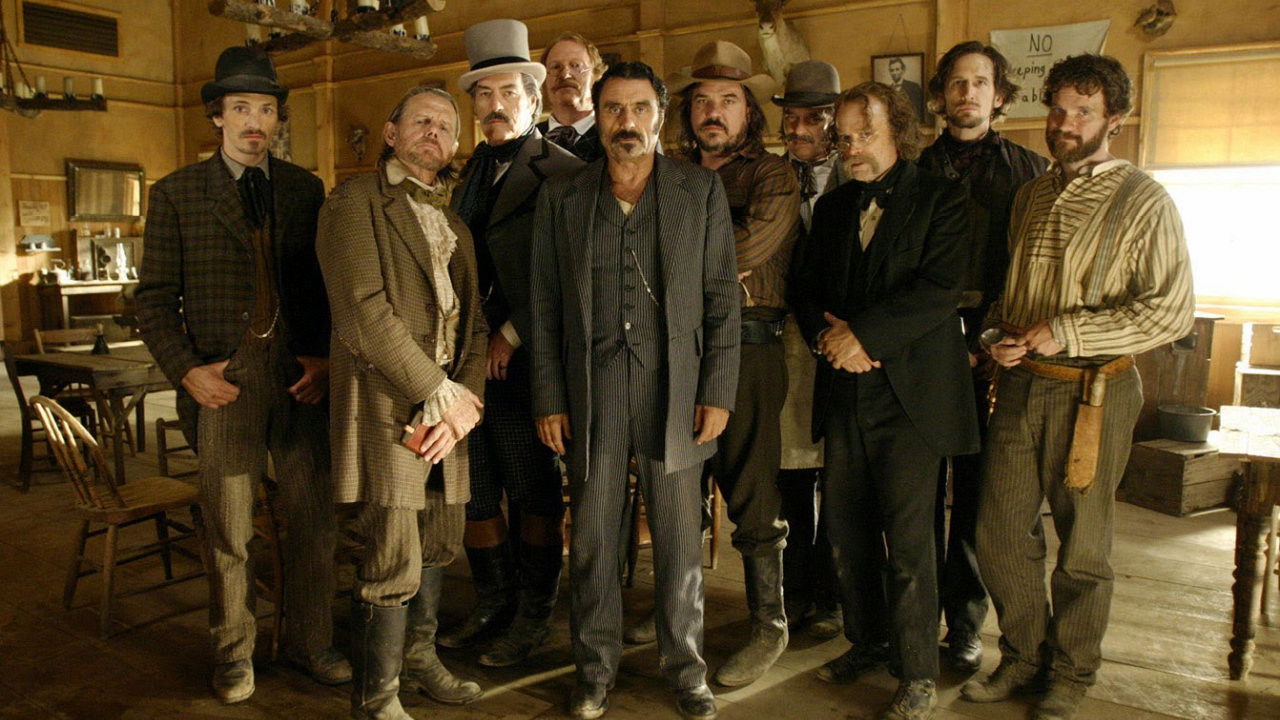
    Wild Bill Hickok and Seth Bullock share a quiet moment at night, discussing their pasts, their families, and the exhaustion of life in the camp.

    Start a free 7-day trial — 5 downloads a day, unlimited when Pro begins

    Rehearse this scene
    Rehearse on your terms

    Choose your role and voices for the other characters. Run the scene at your own pace.

    Scene PreviewExcerpt — subscribe to read full scene

    HICKOK

    Montana.

    BULLOCK

    No rest for the wicked.

    HICKOK

    But what're you doing up?

    BULLOCK

    It's cooler working now. Quieter.

    BULLOCK

    Sorry you had to listen to them drunken fools before Mr. Hickok, when you and Mr. Utter was helping us.
    End of preview. Continue with Pro below.

    7 days freeYour next rehearsal starts here

    Found your next scene? Make it yours.

    Start your free trial and read No Rest for the Wicked in full, with access to 5,500+ monologues and scenes to explore next.

    • Read the full scene and explore the library
    • Download your script in a clean, printable format
    • Take it into rehearsal with the Script Reader
    Casting Types
    Get Feedback
    Coming Soon

    Want expert coaching on this scene?

    Browse our curated list of acting coaches, dialect specialists, and more.

    Find a Coach

    Need representation?

    Browse verified agents and casting directors in our directory.

    Scene Notes & Audition Tips

    5 sections
    About This Scene

    Written by Elizabeth Sarnoff for the Emmy and Golden Globe-winning drama Deadwood, this two-minute duologue captures an intimate late-night encounter between Wild Bill Hickok and Seth Bullock. Standing amid the rising settlement under cover of night, the two frontier figures drop their daytime defenses to bond over marriage, past nicknames, and the grueling physical and mental toll of camp life. It offers an evocative, grounded exploration of male friendship framed by frontier exhaustion and mutual respect.

    Character Analysis

    Bullock is an industrious, restrained figure driven by family obligations and a quiet desire to establish order in an unvarnished world. His habit of working through the night reveals both a fierce dedication and an underlying unease that he struggles to vocalize. Hickok, by contrast, carries the heavy burden of a storied reputation and bone-deep fatigue. Behind his easy humor and observational demeanor lies a man wrestling with his own weariness, searching for honesty in an environment dominated by posturing.

    Why This Works for Auditions

    This scene provides exceptional audition material because it highlights nuance, active listening, and unspoken subtext over explosive confrontation. Directors and casting panels frequently search for gritty leading men who can reveal profound emotional vulnerability without becoming overly sentimental. The two-minute duration keeps the interaction focused, allowing both performers to establish immediate rapport while demonstrating depth, subtle comic timing, and quiet authority.

    Best Suited For

    This piece is ideal for actors seeking material for self-tapes, agent showcases, drama school auditions, or general scene-study practice. It perfectly suits performers aged twenty-five to thirty-five who fall into Leading Man, Anti-Hero, Tough, Gritty, or Everyman casting categories. Actors looking to demonstrate maturity, grounded presence, and quiet vulnerability will find an excellent vehicle here.

    Performance Tips

    Resist the temptation to play frontier archetypes broadly; instead, anchor your performance in genuine physical fatigue and late-night stillness. Keep the vocal delivery relaxed, conversational, and direct, ensuring that the pauses between thoughts feel earned rather than forced. Pay close attention to the give-and-take between the characters, as their mutual trust grows through small gestures of consideration rather than grand speeches. Let the quiet rhythm of the dialogue convey the unspoken weight each man carries.

    No ratings yet
    Sign in to rate
