Skip to content
    Film
    duologue
    Comedy-Drama

    O'Neil Asks McGinty to Coach the Replacements

    from The Replacements

    Written by Vince McKewin

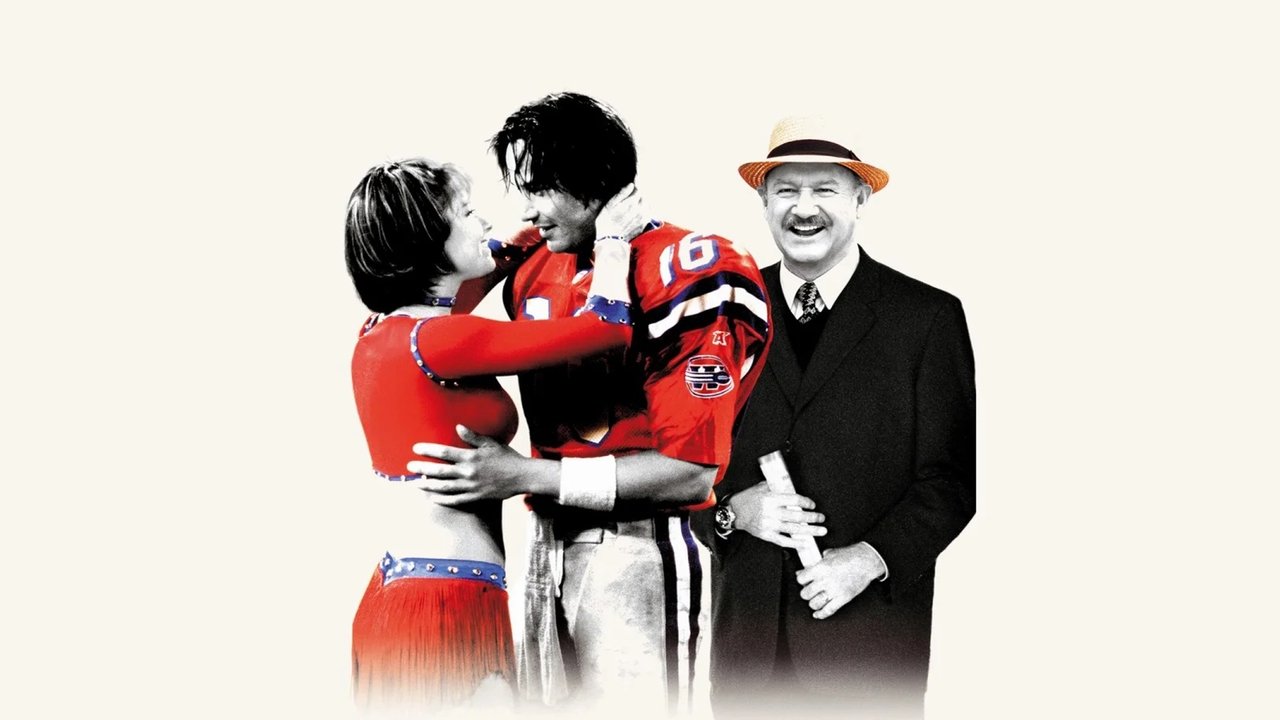
    The Replacements

    2 min · 2 characters · Any gender · 45-55

    Team owner O'Neil attempts to convince former coach Jimmy McGinty to lead a team of replacement players for the final four games of the season.

    Start a free 7-day trial — 5 downloads a day, unlimited when Pro begins

    Rehearse this scene
    Rehearse on your terms

    Choose your role and voices for the other characters. Run the scene at your own pace.

    Scene PreviewExcerpt — subscribe to read full scene

    McGINTY: How's the wife?

    O'NEIL

    She got her lips done. I didn't even know you could get your lips done. Looks like a large-mouthed bass. McGINTY:

    Laughs

    O'NEIL

    Look, I'm too old and too impatient to screw around so let me put it to you straight: I want you back. McGINTY: You already have a coach.

    End of preview. Continue with Pro below.

    7 days freeYour next rehearsal starts here

    Found your next scene? Make it yours.

    Start your free trial and read O'Neil Asks McGinty to Coach the Replacements in full, with access to 9,000+ monologues and scenes to explore next.

    • Read the full scene and explore the library
    • Download your script in a clean, printable format
    • Take it into rehearsal with the Script Reader
    Casting Types
    Get Feedback
    Coming Soon

    Want expert coaching on this scene?

    Browse our curated list of acting coaches, dialect specialists, and more.

    Find a Coach

    Need representation?

    Browse verified agents and casting directors in our directory.

    Scene Notes & Audition Tips

    5 sections
    About This Scene

    Set in an empty stadium at night, this two-minute contemporary comedy-drama duologue by Vince McKewin features an urgent professional proposition. Team owner O'Neil approaches former coach Jimmy McGinty with an unexpected offer to return to the sport and lead a roster of replacement players through the final games of the season. Beneath their casual rapport lies an intense negotiation where past grievances, wounded pride, and the temptation of professional redemption collide.

    Character Analysis

    O'Neil is a shrewd, pragmatic sports executive who balances blunt humor with commercial pressure. Accustomed to steering high-stakes negotiations, O'Neil understands how to manage volatile personalities and knows precisely which buttons to press to awaken competitive instinct. McGinty is an experienced, principled coach whose career was derailed by past clashes with front-office politics. Wary, defensive, and fiercely protective of personal integrity, McGinty must weigh lingering resentment against the irresistible appeal of absolute operational control.

    Why This Works for Auditions

    This scene offers actors a tight, dynamic power struggle built on subtext and shared history. Rather than relying on overt exposition, the dialogue reveals previous professional betrayals through fast-paced, grounded exchanges that shift status from line to line. Casting directors can readily evaluate an actor's ability to handle mature executive or blue-collar roles, deliver dry humor without abandoning dramatic weight, and project unforced authority. Its compact duration and clear objective make it particularly punchy for demonstrating focus and listening skills.

    Best Suited For

    This piece is well suited for actors in the forty-five to fifty-five age bracket targeting casting types such as authority figures, business executives, patriarchs, or tough working-class leaders. It functions effectively for self-tapes, agent showcases, and general classroom practice, offering a clean, dialogue-driven confrontation that translates across genders without altering its narrative stakes.

    Performance Tips

    Resist the temptation to play the conflict with broad anger; the exchange is far more compelling when delivered with relaxed confidence and mutual familiarity. Pay close attention to status shifts, allowing hesitation and pauses to signify internal calculation rather than dead air. Ensure that every condition and demand is treated as a strategic move in a chess match, keeping the emotional stakes anchored in past professional wounds.

    No ratings yet
    Sign in to rate