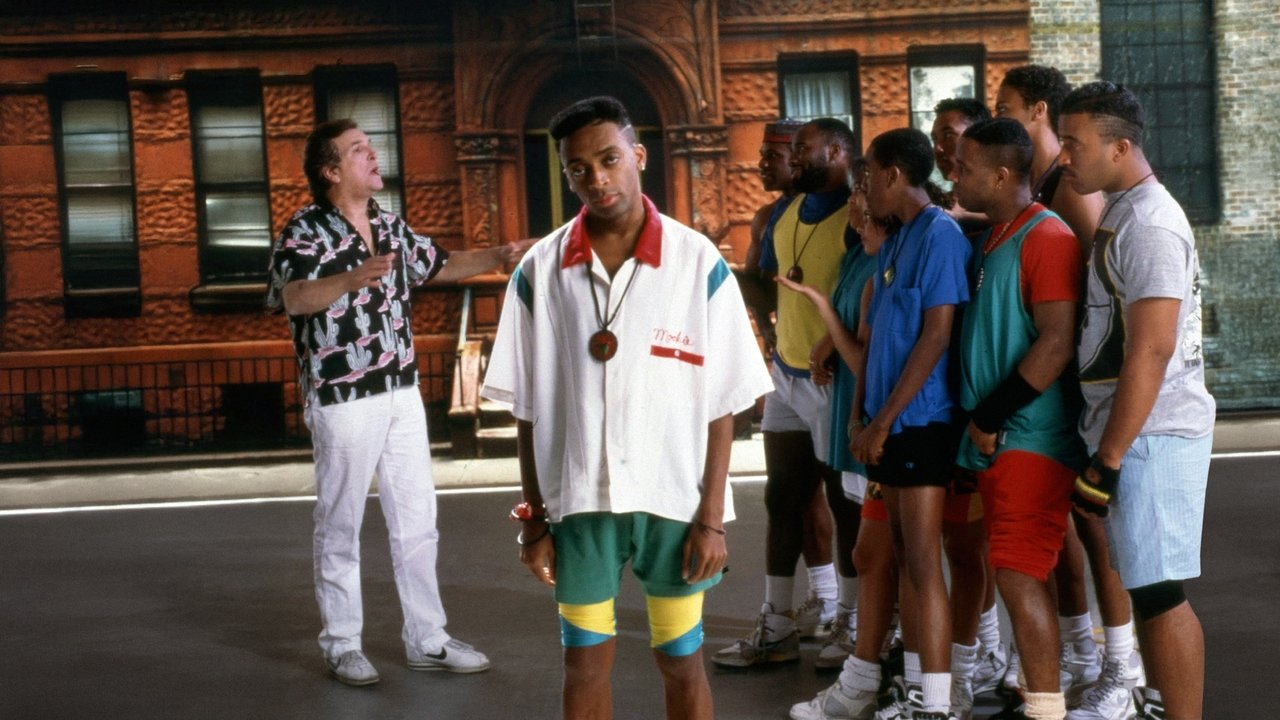
Film
duologue
Drama

Pino and Vito in the Storeroom

from Do the Right Thing

Written by Spike Lee

Do the Right Thing

Pino attempts to convince his brother Vito that their coworker Mookie is untrustworthy. The scene highlights the racial tensions and family dynamics within Sal's Pizzeria.

Start a free 7-day trial — 5 downloads a day, unlimited when Pro begins

Rehearse this scene
Rehearse on your terms

Choose your role and voices for the other characters. Run the scene at your own pace.

Scene PreviewExcerpt — subscribe to read full scene

PINO

Vito, I want you to listen to me. I'm your brother. I may smack you around once in awhile, boss you around, but I'm still your brother.

VITO

I know this.

PINO

I love you.

VITO

I'm listening.

PINO

Good. I want you to listen.
End of preview. Continue with Pro below.

7 days freeYour next rehearsal starts here

Found your next scene? Make it yours.

Start your free trial and read Pino and Vito in the Storeroom in full, with access to 1,000+ monologues and scenes to explore next.

  • Read the full scene and explore the library
  • Download your script in a clean, printable format
  • Take it into rehearsal with the Script Reader
Casting Types
Get Feedback
Coming Soon

Want expert coaching on this scene?

Browse our curated list of acting coaches, dialect specialists, and more.

Find a Coach

Need representation?

Browse verified agents and casting directors in our directory.

Scene Notes & Audition Tips

5 sections
About This Scene

This intense duologue from *Do the Right Thing* features Pino attempting to assert his authority and sway his brother, Vito, against their coworker Mookie, based on race. Set within the close quarters of a storeroom, the dialogue quickly establishes a strained sibling relationship colored by underlying racial prejudice. The scene is a compelling study in loyalty, suspicion, and the insidious nature of racial tension, all simmering beneath a seemingly ordinary argument within a family business.

Character Analysis

Pino is the older, more aggressive brother, deeply entrenched in his racial biases and convinced of Mookie's untrustworthiness based on stereotypes. He views himself as Vito's protector, even while verbally demeaning him, revealing a complex mix of misguided affection and controlling behavior. Vito, in contrast, is more impressionable and less jaded than Pino, though still caught in the family's prejudices. He is attempting to assert his own independence and thoughts while still seeking his brother's approval, making him susceptible to Pino's manipulative tactics.

Why This Works for Auditions

This scene is an excellent choice for auditions because it offers a clear arc of manipulation and resistance within a tightly contained, high-stakes emotional environment. The immediate conflict and pre-existing sibling dynamic provide rich subtext for actors to explore, allowing them to showcase a range of emotions from frustration and anger to a yearning for connection and understanding. Its concise nature means actors can quickly establish character and relationship, making a strong impression in a limited timeframe.

Best Suited For

This duologue is best suited for male actors aged 25-35 who can portray working-class characters with intensity and a rugged sensibility. It particularly shines for those who excel at portraying simmering tension, complex family dynamics, and characters grappling with prejudice. Its demands for raw emotional honesty and a naturalistic acting style make it ideal for actors looking to demonstrate their ability to handle challenging, character-driven material.

Performance Tips

When performing this scene, focus on the power dynamic between the brothers and the unspoken history woven into their dialogue. For Pino, lean into his conviction and the underlying fear that drives his prejudice, ensuring his "love" for Vito feels possessive and conditional. For Vito, explore his internal conflict: his desire to please Pino versus his own nascent thoughts and feelings about Mookie. Pay close attention to the rhythm and pace; the rapid, overlapping dialogue is key to building the scene's growing tension and reflecting their close, yet volatile, relationship.

Explore this topic