
Skip to content
    Film
    duologue
    Drama

    Poirot Questions Mary Debenham

    from Murder on the Orient Express

    Written by Michael Green

    Murder on the Orient Express

    2 min · 2 characters · Any gender · 45-55

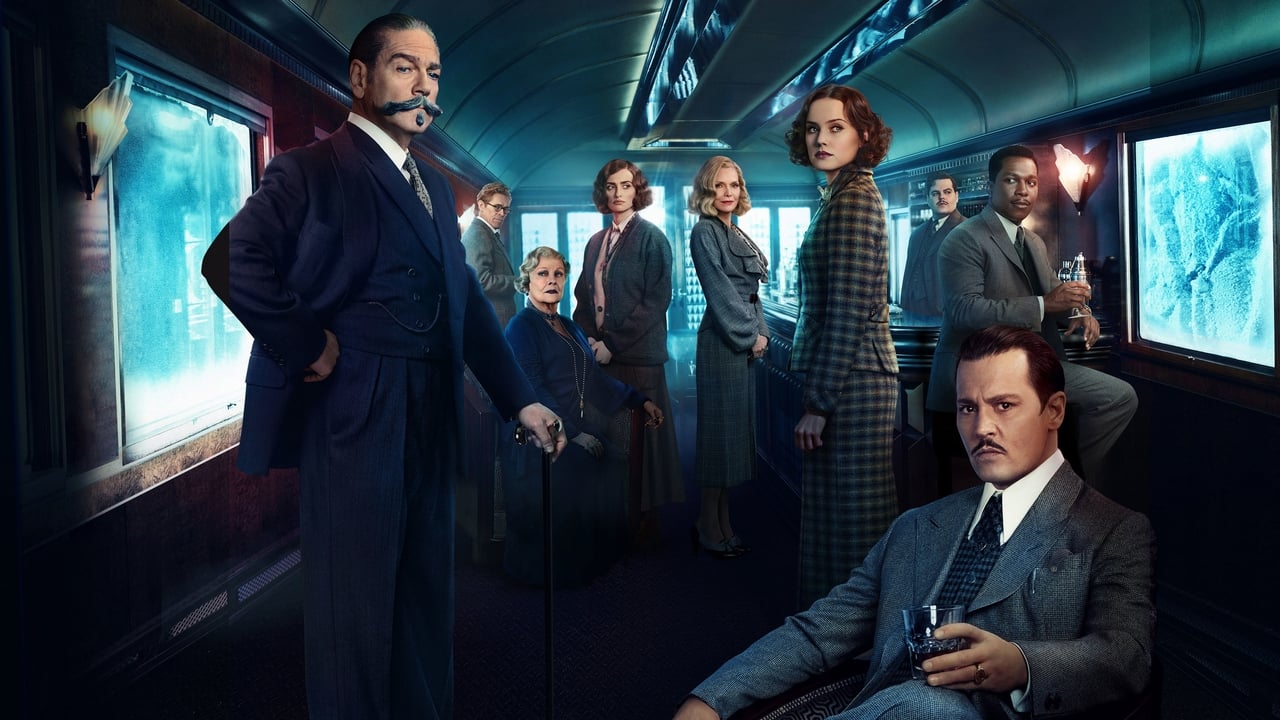
    Detective Poirot interrogates Mary Debenham about her connection to a fellow passenger and a suspicious conversation overheard on a ferry.

    Start a free 7-day trial — 5 downloads a day, unlimited when Pro begins

    Rehearse this scene
    Rehearse on your terms

    Choose your role and voices for the other characters. Run the scene at your own pace.

    Scene PreviewExcerpt — subscribe to read full scene

    POIROT

    Alors, where were you when we stopped at Vincovci?

    MARY DEBENHAM

    In my bed. Where I remained all night. Except to hear about our crash.

    POIROT

    Did you have any opinion of the dead man.

    MARY DEBENHAM

    I -- well, I can’t say I thought about it. If he is who you say I am glad not to have known him. I don’t quite see the point of your…


    End of preview. Continue with Pro below.

    7 days freeYour next rehearsal starts here

    Found your next scene? Make it yours.

    Start your free trial and read Poirot Questions Mary Debenham in full, with access to 7,500+ monologues and scenes to explore next.

    • Read the full scene and explore the library
    • Download your script in a clean, printable format
    • Take it into rehearsal with the Script Reader
    Casting Types
    Get Feedback
    Coming Soon

    Want expert coaching on this scene?

    Browse our curated list of acting coaches, dialect specialists, and more.

    Find a Coach

    Need representation?

    Browse verified agents and casting directors in our directory.

    Scene Notes & Audition Tips

    5 sections
    About This Scene

    In this tense dramatic duologue adapted by screenwriter Michael Green for the film Murder on the Orient Express, the meticulous investigator Poirot interrogates fellow passenger Mary Debenham. Stranded together following a deadly crime aboard the train, Poirot subjects Mary to an unconventional line of questioning designed to rattle her composure. The conversation quickly pivots from polite inquiries to targeted scrutiny regarding her connection to another traveler, turning a seemingly routine interview into a high-stakes psychological duel.

    Character Analysis

    Poirot presents as an eccentric authority figure whose theatrical mannerisms deliberately mask an acute, calculating intellect. He moves fluidly between disarming pleasantries and sharp pressure points to test his subject's reactions. Mary Debenham projects disciplined, cool sophistication, relying on her professional demeanor as a governess to project authority and deflect suspicion. Beneath her crisp, self-possessed exterior lies a deeply guarded individual fighting to maintain control as the line of questioning threatens to expose her secrets.

    Why This Works for Auditions

    This scene offers an exceptional workout in subtext, status play, and intellectual sparring. Rather than relying on overt physical action or raised voices, the drama is driven entirely by subtext and the tactical withholding of information. The exchange features clear narrative beats where the balance of control shifts back and forth, allowing both actors to demonstrate sharp timing, active listening, and the ability to convey complex inner thoughts through formal dialogue.

    Best Suited For

    Running approximately two minutes, this duologue is ideally suited for drama school auditions, agent showcases, self-tape auditions, and advanced scene study classes. It is an effective choice for performers seeking sophisticated, intense, or commanding casting brackets, including investigators and poised professionals. Actors who want to demonstrate emotional restraint alongside simmering tension will find plenty of compelling material here.

    Performance Tips

    Focus on the tactical objective of each line rather than playing a generalized sense of mystery or suspicion. For Poirot, treat every digression and rhetorical observation as an active probe, keeping your eyes on Mary to register the precise moment her guard slips. For Mary, allow the audience to see the effort required to stay composed, letting subtle shifts in breath and vocal rhythm signal when Poirot's questions hit dangerously close to the truth.

    No ratings yet
    Sign in to rate