
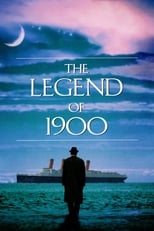
Nineteen Hundred explains his creative process to Max, demonstrating his uncanny ability to 'read' the passengers on the ship and translate their life stories into music. The scene highlights his deep observational skills and the mystical connection he shares with the world despite never having set foot on land.
MAX: Where do you get it?
NINETEEN HUNDRED: - What?
MAX: The music.
NINETEEN HUNDRED: - I don't know. You see that woman over there for example? She looks like someone who just killed her husband with the help of a young lover, and now she is running off with the family jewels. Don't you think this
Create a free account to explore more
Upgrade to Pro for full access — £6.99/month
Director's Notes
Want expert coaching on this scene?
Browse our curated list of acting coaches, dialect specialists, and more.
Need representation?
Browse verified agents and casting directors in our directory.
Scene Notes & Audition Tips
About This Scene
This captivating duologue from *The Legend of 1900* offers a profound glimpse into the mind of a musical savant. Nineteen Hundred, a man who has never left the ship he was born on, reveals to his friend Max how he translates the unspoken stories of passengers into his extraordinary music. It’s a beautiful exploration of observation, human connection, and the unique ways we perceive the world.
Character Analysis
**Nineteen Hundred:** At his core, Nineteen Hundred is an old soul, deeply connected to humanity despite his physical isolation. His motivations stem from an insatiable curiosity about people and a profound gift for empathy. He experiences the world through observation, distilling complex human narratives into musical expressions. An actor playing Nineteen Hundred needs to convey a sense of wonder, an almost childlike innocence blended with ancient wisdom. His emotional journey in this scene is one of quiet revelation, sharing a part of himself he holds dear. He is vulnerable yet confident in his unique perception.
**Max:** Max serves as the audience surrogate, a grounding presence whose awe and curiosity facilitate Nineteen Hundred’s revelations. His motivation is to understand his friend's genius. An actor portraying Max should embody genuine curiosity, skepticism that quickly gives way to amazement, and a deep affection for Nineteen Hundred. His emotional journey is one of growing understanding and profound appreciation. The role requires good listening and reacting, allowing Nineteen Hundred's unique perspective to shine while subtly anchoring the scene in shared human experience.
Why This Works for Auditions
"Reading People" is an excellent audition piece because it showcases nuanced acting. For Nineteen Hundred, it demands exceptional storytelling ability, the capacity to convey complex inner life and keen observation without overt gestures. It requires strong command of pace and rhythm as he “reads” each person. For Max, the scene demonstrates naturalistic reacting, active listening, and the ability to convey a shift from intrigued questioning to astonished acceptance. Both roles allow actors to demonstrate emotional range, from quiet intensity to genuine surprise, all within a subtle, vulnerable tone. It doesn't rely on big, dramatic outbursts, instead focusing on intricate character work and the power of subtext.
Best Suited For
This scene is ideally suited for drama school auditions, particularly for institutions like LAMDA or Guildhall, which value intricate character study and textual precision. It works wonderfully for self-tapes, allowing actors to control the subtlety of their performance. It's also perfect for acting classes, offering rich material for exploring observation, storytelling, and honest connection. This piece is particularly strong for actors aiming for "leading man" roles with depth, "outsider" characters with unique perspectives, or "everyman" types who possess powerful, understated charm.
Performance Tips
1. **For Nineteen Hundred:** Focus on embodying each "character" you describe for a split second – let their imagined story subtly inform your gaze and vocal tone before returning to your own perspective. This precision will make your observations feel truly uncanny.
2. **For Max:** Your reactions are key. Don't just listen; *process* what Nineteen Hundred is saying. Let your face, your breathing, and your subtle shifts in posture show the exact moment his words click for you, generating genuine wonder.
3. **Pacing:** Allow for moments of reflective quiet. Neither character should rush. Nineteen Hundred needs space to "see" and translate, and Max needs time to absorb these revelations. The scene’s impact comes from its quiet intensity.
How well does this scene match you?
Save your casting profile to see match scores on every scene.
Try Headshot AnalyserGo Pro
£6.99/mo
- ✓ Unlimited scene reading
- ✓ PDF downloads
- ✓ Director's Notes
- ✓ Headshot Analyser
- ✓ Cover Letter Generator
- ✓ Practice Mode
- ✓ Agent Connect
- + 1,000+ scenes
More from The Legend of 1900
The Voice of the Sea
from The Legend of 1900
A man recounts his life-changing experience seeing the sea for the first time to Max, who is struggling with leaving his past behind. The man describes how this encounter inspired him to completely transform his life, offering a powerful perspective on new beginnings.
The Trumpet Player and the Music Store Owner
from The Legend of 1900
A down-on-his-luck trumpet player attempts to sell his beloved instrument to a cynical shop owner, only to be moved by a mysterious recording. The scene explores themes of lost glory, the intrinsic value of art versus its market price, and the haunting power of a forgotten musical genius.
The Piano Duel
from The Legend of 1900
A legendary jazz pianist, Jelly Roll Morton, challenges the enigmatic 1900 to a piano duel. 1900's friend, Max, desperately tries to encourage 1900 to take the challenge seriously, while 1900 remains unconcerned and appreciative of his opponent's skill.
Where Do You Get It?
from The Legend of 1900
1900 explains to Max how he draws inspiration for his music by observing the passengers on the ship. He describes various individuals, creating vivid backstories and personalities for them based on their appearance and demeanor, demonstrating his unique ability to 'read' people.
Similar Scenes
Ephialtes's Betrayal
from 300
Xerxes tempts the rejected Spartan outcast Ephialtes with promises of wealth, pleasure, and status in exchange for the location of the hidden path behind the Spartan lines. Driven by a lifetime of resentment and a desire for the validation denied to him by Leonidas, Ephialtes agrees to betray his people and kneels before the Persian King.
The Interview — Frank T.J. Mackey
from Magnolia
A high-stakes interview between a charismatic pick-up artist and a journalist turns cold when she confronts him about his fabricated past and his mother's death. Frank's bravado crumbles into a defensive silence as his carefully constructed persona is dismantled.
Lester and Angela
from American Beauty
A middle-aged man and his daughter's teenage friend share a tense, intimate moment in a living room. The scene explores themes of obsession, insecurity, and the fear of being ordinary.
Chapter III — Dorian Describes Sibyl Vane
from The Picture of Dorian Gray
Dorian Gray passionately describes his first encounter with the actress Sibyl Vane to Lord Henry. He contrasts her transcendent, artistic beauty with the mundane nature of ordinary women.