Film
duologue
Horror
Drama

Reporting the Stalker

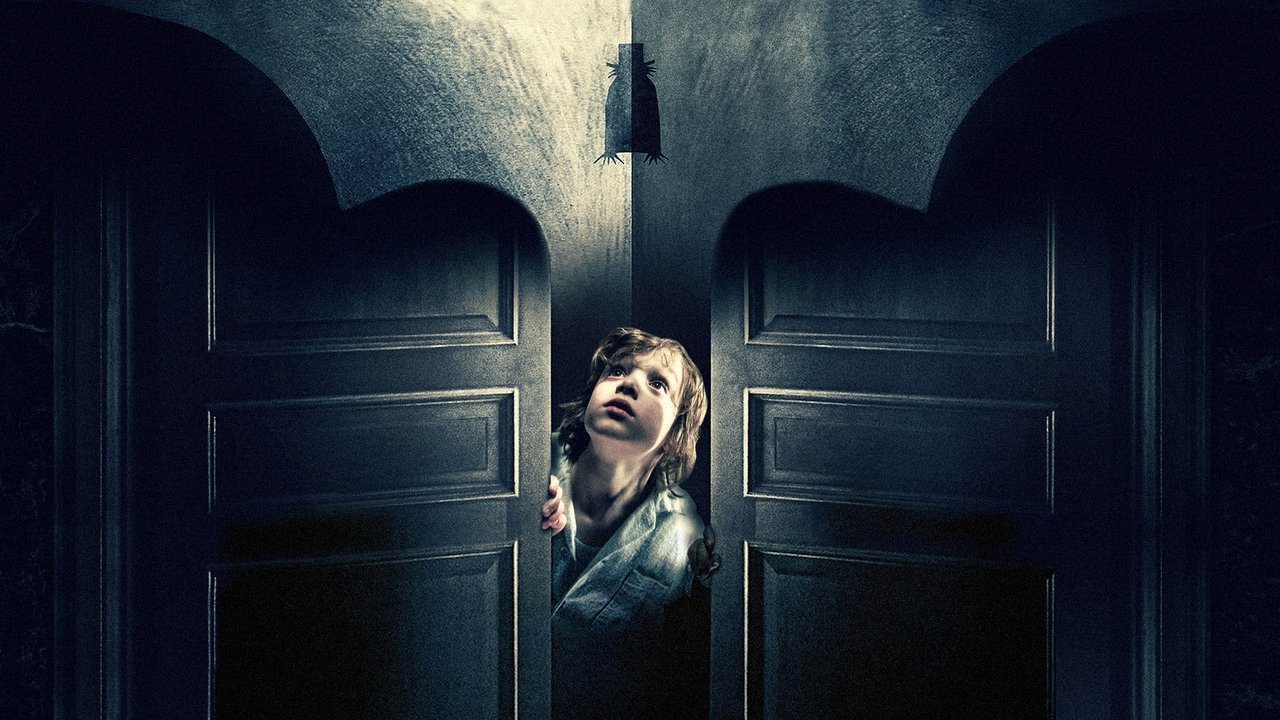
from The Babadook

Written by Jennifer Kent

The Babadook

A distressed mother attempts to report a supernatural stalker to the police, but her lack of evidence makes her appear mentally unstable.

Start a free 7-day trial — 5 downloads a day, unlimited when Pro begins

Rehearse this scene
Rehearse on your terms

Choose your role and voices for the other characters. Run the scene at your own pace.

Scene PreviewExcerpt — subscribe to read full scene

AMELIA

Hi. I want to report someone stalking me and my child.

SERGEANT

(Starts writing) When did the incident occur Madam?

AMELIA

It started this week.

SERGEANT

Can you tell us what happened?

AMELIA

Someone sent me a.. a children’s book.

End of preview. Continue with Pro below.

7 days freeYour next rehearsal starts here

Found your next scene? Make it yours.

Start your free trial and read Reporting the Stalker in full, with access to 4,500+ monologues and scenes to explore next.

  • Read the full scene and explore the library
  • Download your script in a clean, printable format
  • Take it into rehearsal with the Script Reader
Casting Types
Get Feedback
Coming Soon

Want expert coaching on this scene?

Browse our curated list of acting coaches, dialect specialists, and more.

Find a Coach

Need representation?

Browse verified agents and casting directors in our directory.

Scene Notes & Audition Tips

5 sections
About This Scene

This duologue from the horror film *The Babadook* features Amelia, a distressed mother, attempting to report a supernatural stalker to a skeptical Sergeant. The scene masterfully captures Amelia's escalating paranoia and vulnerability as she recounts unsettling incidents that sound increasingly implausible without physical evidence. It’s a compelling exploration of gaslighting, grief, and the struggle to be believed when one's reality is questioned by authority figures, set against a contemporary police station backdrop.

Character Analysis

Amelia is presented as a vulnerable and grief-stricken woman, battling not only a perceived external threat but also the internal turmoil of being disbelieved. Her desperation is palpable, shifting from initial resolve to growing exasperation and ultimately, defeated terror. The Sergeant, conversely, embodies an authority figure who, despite his initial professional demeanor, quickly becomes dismissive and condescending, gradually assessing Amelia as mentally unstable rather than a victim. This dynamic creates a powerful conflict, showcasing both characters' distinct emotional journeys within a short interaction.

Why This Works for Auditions

This scene offers a fantastic opportunity for actors to display a wide range of emotions and a nuanced performance in a short timeframe. Amelia’s character arc moves from determined to vulnerable, then to frustrated and finally to palpable fear, allowing an actor to showcase dynamic shifts. The Sergeant's role, while seemingly straightforward, requires a careful balance of professional skepticism and underlying judgment, offering a chance to convey unspoken biases. Its duologue format ensures focused interaction, perfect for both self-tapes and in-person auditions where strong scene partner work is crucial.

Best Suited For

This scene is particularly well-suited for actors aiming for roles that demand intense emotional vulnerability, particularly those in the 25-35 age range. It's excellent for individuals auditioning for "Leading Lady" or "Vulnerable" casting types, demonstrating an ability to portray complex characters under extreme stress. The Sergeant's role offers a good audition piece for "Authority Figure" or "Everyman" types who can subtly convey suspicion and judgment without resorting to caricature. It works perfectly for agent-showcases, self-tapes, and general practice due to its contained nature and strong character contrast.

Performance Tips

For Amelia, focus on her escalating frustration and the subtle shifts in her composure as she faces increasing disbelief; let her quiet desperation build authentically. Pay attention to how her physicality changes as her story unravels and she feels more judged, culminating in the sudden terror inspired by the hat and coat. For the Sergeant, ground your performance in professional skepticism, but allow small tells of your growing judgment and paternalistic concern to emerge. The key is to react genuinely to Amelia’s increasingly bizarre claims, subtly conveying your assessment of her mental state rather than overtly playing a villain.

Explore this topic