Skip to content
    Film
    duologue
    Drama

    Returning to the Jungle

    from Da 5 Bloods

    Written by Spike Lee, Kevin Willmott

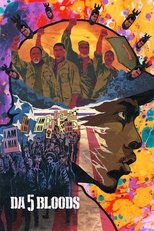
    Da 5 Bloods

    Two Vietnam veterans, Paul and Otis, discuss their anxiety and lingering PTSD as they fly back to Vietnam decades after the war. Paul reflects on the nature of memory and the difference between the youthful invincibility they felt as soldiers versus the stark reality of mortality they face as older men.

    Start a free 7-day trial — 5 downloads a day, unlimited when Pro begins

    Rehearse this scene
    Rehearse on your terms

    Choose your role and voices for the other characters. Run the scene at your own pace.

    Scene PreviewExcerpt — subscribe to read full scene

    PAUL

    Gonna make it Dude? Paul is next to Melvin half-reading a Sports Illustrated.

    OTIS

    This seat is killin' my Black Ass. Otis leans back hard in the seat trying to gain control. How's Da Brother?

    PAUL

    Man, I still can't believe we goin' back to Dis Bitch.

    OTIS

    I know.

    End of preview. Continue with Pro below.

    7 days freeYour next rehearsal starts here

    Found your next scene? Make it yours.

    Start your free trial and read Returning to the Jungle in full, with access to 6,000+ monologues and scenes to explore next.

    • Read the full scene and explore the library
    • Download your script in a clean, printable format
    • Take it into rehearsal with the Script Reader
    Casting Types
    Get Feedback
    Coming Soon

    Want expert coaching on this scene?

    Browse our curated list of acting coaches, dialect specialists, and more.

    Find a Coach

    Need representation?

    Browse verified agents and casting directors in our directory.

    Scene Notes & Audition Tips

    5 sections
    About This Scene

    Drawn from Spike Lee and Kevin Willmott's contemporary drama *Da 5 Bloods*, this compelling two-minute duologue captures a vulnerable exchange between two Vietnam veterans, Paul and Otis. As they fly back to Vietnam decades after their military service, the journey forces them to confront resurfacing anxiety and persistent post-traumatic stress. Their conversation shifts from immediate physical discomfort to profound reflections on memory, aging, and the stark difference between youthful invulnerability and the unavoidable reality of mortality.

    Character Analysis

    Paul is an intensely reflective, gritty working-class veteran carrying unhealed psychological wounds and restless physical tension. He is remarkably candid about his fear and nightmares, articulating how his older perspective now reframes the traumatic events of his past. Otis serves as an essential, steady counterpart whose calm presence and shared background anchor the conversation. While Otis manages his own discomfort, he listens with deep empathy and uses familiar history to offer grounding reassurance to his longtime friend.

    Why This Works for Auditions

    This piece provides an exceptional showcase for mature actors seeking rich, grounded dramatic material that avoids melodrama. The dynamic relies heavily on unspoken history, mutual trust, and subtext, giving both performers ample room to display emotional vulnerability and restrained power. Casting directors viewing this material can immediately assess an actor's ability to navigate heavy themes like combat trauma, aging, and brotherhood through subtle, conversational rhythms.

    Best Suited For

    This scene is best suited for male actors aged fifty-five and older who fit character actor, everyman, patriarch, or gritty working-class casting profiles. It functions remarkably well for agent showcases, general practice, and dramatic self-tape submissions that require quiet depth, gravitas, and naturalistic chemistry.

    Performance Tips

    Resist the urge to play the trauma with overt sentimentality. Instead, anchor the performance in the physical constraint of the flight, allowing restless energy and quiet vocal delivery to expose the underlying panic. For the actor playing Otis, focus on the power of active listening, making sure your shared history informs every subtle physical reaction. Allow the brief moments of camaraderie and wry humor to emerge naturally, as these defenses are precisely how long-term survivors cope with terrifying truths.

    No ratings yet
    Sign in to rate